How to Start Composting: Simple Guide for Home Gardeners
How to Start Composting: Simple Guide for Home Gardeners
Are you looking for a simple, impactful way to reduce your household waste and enrich your garden soil? Imagine transforming everyday kitchen scraps and yard trimmings into nutrient-rich “black gold” that your plants will absolutely adore. This isn’t just a dream; it’s the magic of composting!
Composting is one of the most sustainable practices you can adopt, turning potential landfill waste into a valuable resource. If you’ve been wondering how to start composting, you’re in the right place. As an eco-gardening expert, I’ll guide you through this beginner-friendly process, making it easy to create your own thriving compost pile right at home. Get ready to embark on a journey that benefits your garden, your wallet, and the planet!
Essential Materials & Eco-Friendly Supplies
Starting your compost journey doesn’t require a lot of fancy equipment. You likely have most of what you need already!
- Compost Bin/Pile: This is where the magic happens.
- Open Piles: Simple and cost-effective, ideal for larger yards. Just designate a spot.
- Enclosed Bins: Purchased plastic bins or DIY options (pallets, wire mesh) keep things tidy, contain odors, and deter pests. Tumbler bins are great for frequent turning.
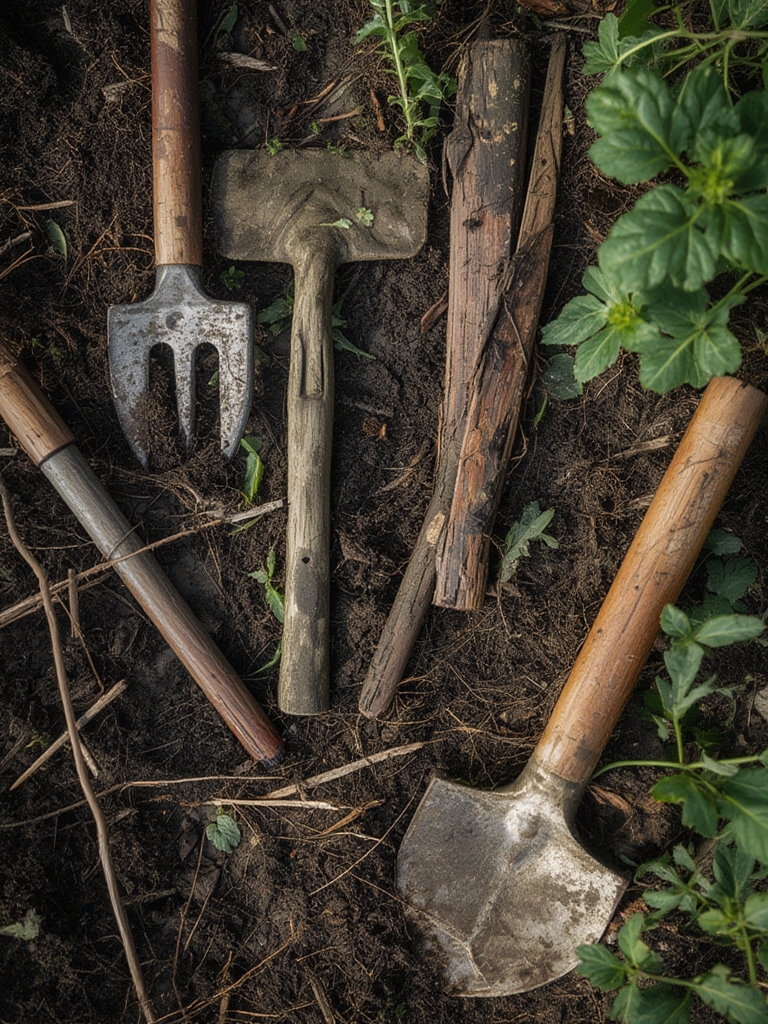
- Aerate Tool: A pitchfork, shovel, or compost aerator is essential for turning your pile and introducing oxygen.
- Water Source: A hose or watering can to keep your compost moist.
- “Greens” (Nitrogen-Rich): These are fresh, moist materials like fruit and vegetable scraps, grass clippings, coffee grounds, and fresh plant trimmings.
- “Browns” (Carbon-Rich): These are dry, woody materials like fallen leaves, straw, wood chips, shredded newspaper, and cardboard.
- Soil or Finished Compost: A small amount helps introduce beneficial microbes to kickstart the process.
Step-by-Step Organic Method for Composting
Ready to transform your organic waste into garden gold? Follow these simple steps for a successful compost pile:
- Choose Your Location: Select a spot that’s shaded (to prevent drying out), well-drained, and easily accessible. Keep it a reasonable distance from your home to avoid potential odors, though a well-managed pile rarely smells.
- Set Up Your Bin/Pile: If using an open pile, simply designate your area. For bins, assemble according to instructions or create your DIY structure. Add a layer of coarse browns at the bottom for drainage and aeration.
- Layer Your Ingredients (The Golden Rule!): This is crucial. Start with a layer of “browns” (e.g., dry leaves), then add a layer of “greens” (e.g., kitchen scraps). Aim for a ratio of roughly 2 parts browns to 1 part greens. Chop larger items into smaller pieces to speed up decomposition.
- Moisten the Pile: Each time you add a new layer, give it a light sprinkle of water. Your compost should feel like a damp sponge – moist, but not soaking wet.
- Turn and Aerate Regularly: This introduces oxygen, which is vital for the microorganisms doing all the hard work. Turn your pile with a pitchfork or compost aerator once a week or every few days. This also helps mix materials and distribute moisture.
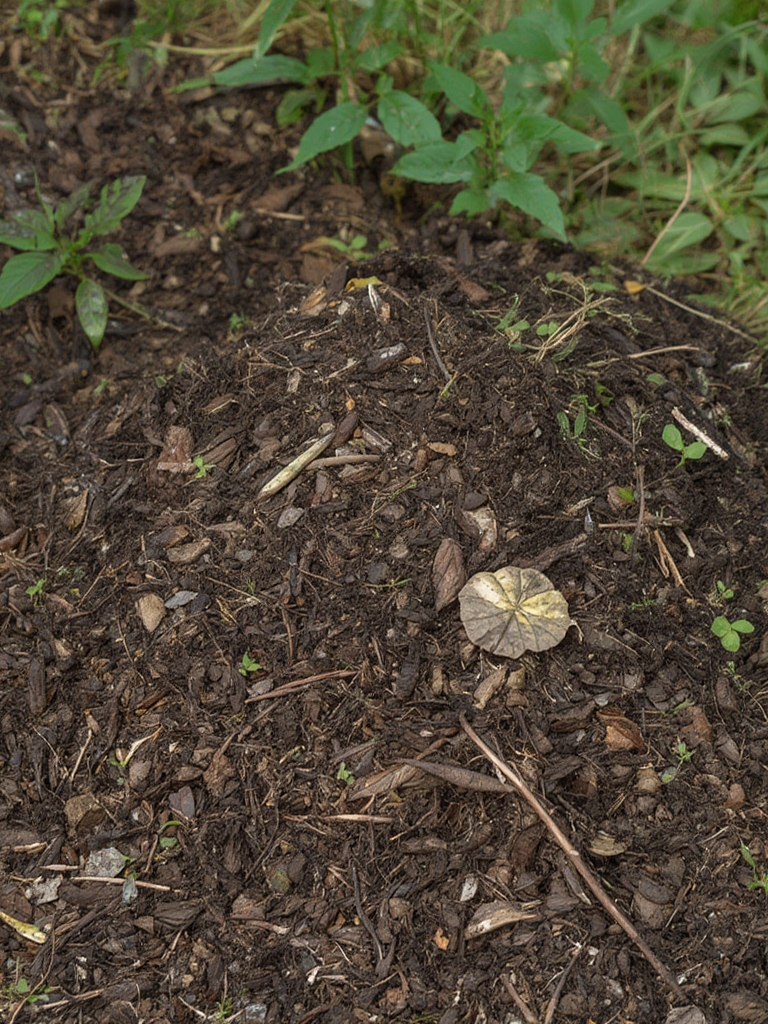
- Harvest Your “Black Gold”: Once your compost is dark brown, crumbly, and smells like fresh earth, it’s ready! This usually takes anywhere from 2 months to a year, depending on conditions and how often you turn it. Use it to enrich garden beds, top-dress plants, or mix into potting soil.
Benefits of Organic Composting
Beyond just diverting waste, organic composting offers a plethora of advantages for your garden and the environment:
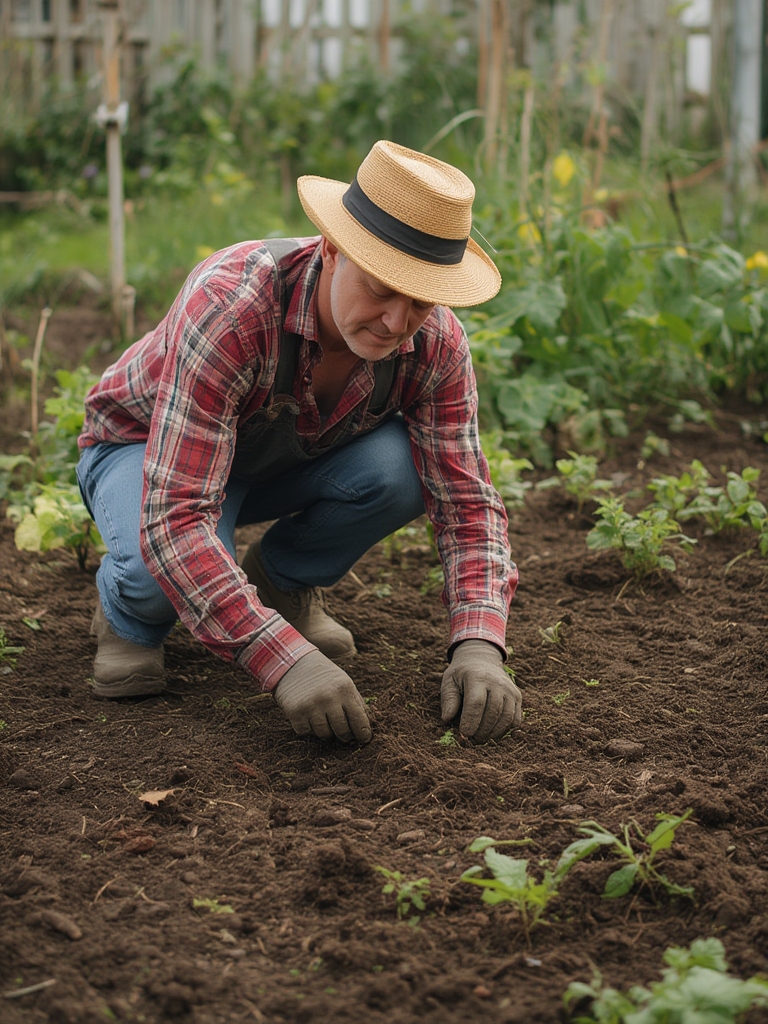
- Enriches Soil Naturally: Compost provides essential nutrients and improves soil structure, making it looser for roots and better at retaining water. It’s a fantastic soil amendment.
- Reduces Landfill Waste: A significant portion of household waste is organic and can be composted, reducing methane emissions from landfills.
- Decreases Need for Chemical Fertilizers: By providing natural nutrients, compost lessens your reliance on synthetic fertilizers, saving you money and protecting waterways.
- Improves Water Retention: Composted soil acts like a sponge, holding onto moisture and reducing the need for frequent watering.
- Boosts Plant Health: Healthy, nutrient-rich soil leads to stronger, more resilient plants that are better able to resist pests and diseases.
- Supports Beneficial Microbes: Compost is teeming with beneficial microorganisms that create a living, healthy soil ecosystem.
Eco Tips & Sustainable Alternatives
To enhance your composting efforts and ensure maximum sustainability:
- What NOT to Compost: Avoid meat, dairy products, oils, greasy foods, pet waste, diseased plants, and chemically treated wood. These can attract pests, create foul odors, or introduce pathogens.
- Vermicomposting (Worm Composting): For smaller spaces or faster results, consider a worm bin! Red wiggler worms efficiently break down kitchen scraps into nutrient-rich worm castings.
- Bokashi Composting: An anaerobic (oxygen-free) fermentation method that pickles food waste, including meat and dairy, before it’s buried or added to a traditional compost pile.
- Collect Rainwater: Use collected rainwater to moisten your compost pile, further reducing your environmental footprint.
Common Composting Mistakes to Avoid
Even seasoned gardeners make mistakes. Here are common composting pitfalls and how to avoid them:
- Ignoring the Greens-Browns Balance: Too many greens can lead to a smelly, slimy pile; too many browns result in a slow, dry pile. Stick to that 2:1 brown-to-green ratio.
- Not Turning the Pile: Lack of oxygen slows decomposition and can lead to anaerobic (stinky) conditions. Turn it regularly!
- Incorrect Moisture Levels: A pile that’s too dry won’t decompose, and one that’s too wet will become slimy and smelly. Remember: damp sponge.
- Adding Prohibited Materials: As mentioned, avoid meat, dairy, diseased plants, and pet waste. These are the main culprits for attracting pests and creating problems.
- Impatience: Composting takes time. Don’t expect instant results. Trust the process, and nature will do its work.
Maintenance & Long-Term Care
Once your compost pile is established, a little ongoing care will keep it thriving:
- Regularly Add Materials: Keep feeding your pile with new greens and browns, maintaining the balance.
- Monitor Moisture: Check the moisture content regularly, especially during dry spells, and add water as needed.
- Keep Turning: Continue turning the pile at least once a week to ensure good aeration and even decomposition.
- Troubleshooting: If your pile smells, it’s likely too wet or has too many greens; add more browns and turn it. If it’s not decomposing, it might be too dry, lacking greens, or needs turning.
Conclusion: Your Journey to Sustainable Gardening Starts Now
Congratulations! You now have all the knowledge to confidently begin your composting journey. This simple act is a profound step towards reducing waste, creating healthier soil, and cultivating a more sustainable lifestyle. It’s not just about gardening; it’s about nurturing the earth beneath our feet.
So, gather your home composting guide kitchen scraps yard waste, choose your spot, and start layering. Your garden will thank you, and so will the planet. Share your composting successes with us in the comments below, or tell us what inspired you to learn how to start composting!
FAQs About Composting
How long does it take for compost to be ready?
The time varies greatly depending on factors like materials used, pile size, temperature, and how often you turn it. It can range from 2-3 months for hot compost piles (well-managed with frequent turning) to 6-12 months for slower, cooler piles.
What if my compost pile smells bad?
A healthy compost pile should smell earthy. A foul odor (like rotten eggs) usually indicates an anaerobic (oxygen-starved) pile that is too wet or has too many “greens.” Add more “browns” (like dry leaves or shredded cardboard) and turn the pile thoroughly to introduce air.
Can I compost weeds?
Yes, most weeds can be composted. However, avoid composting weeds that have gone to seed, as the seeds might survive the composting process and sprout in your garden. Also, avoid persistent perennial weeds like bindweed or ground elder unless you’re sure your compost pile reaches high temperatures that kill off roots and seeds.
What’s the ideal size for a home compost bin or pile?
For a family-sized home composting system, a bin roughly 3 feet by 3 feet by 3 feet (about 1 cubic meter) is often ideal. This size allows enough material to build up heat, which speeds decomposition, without becoming unmanageable to turn.
Is it okay to compost citrus peels?
Yes, citrus peels can be composted, but they decompose more slowly due to their tough skins and acidity. It’s best to chop them into smaller pieces. In large quantities, their acidity can slightly affect the pH of your compost, but typically not enough to cause significant problems.