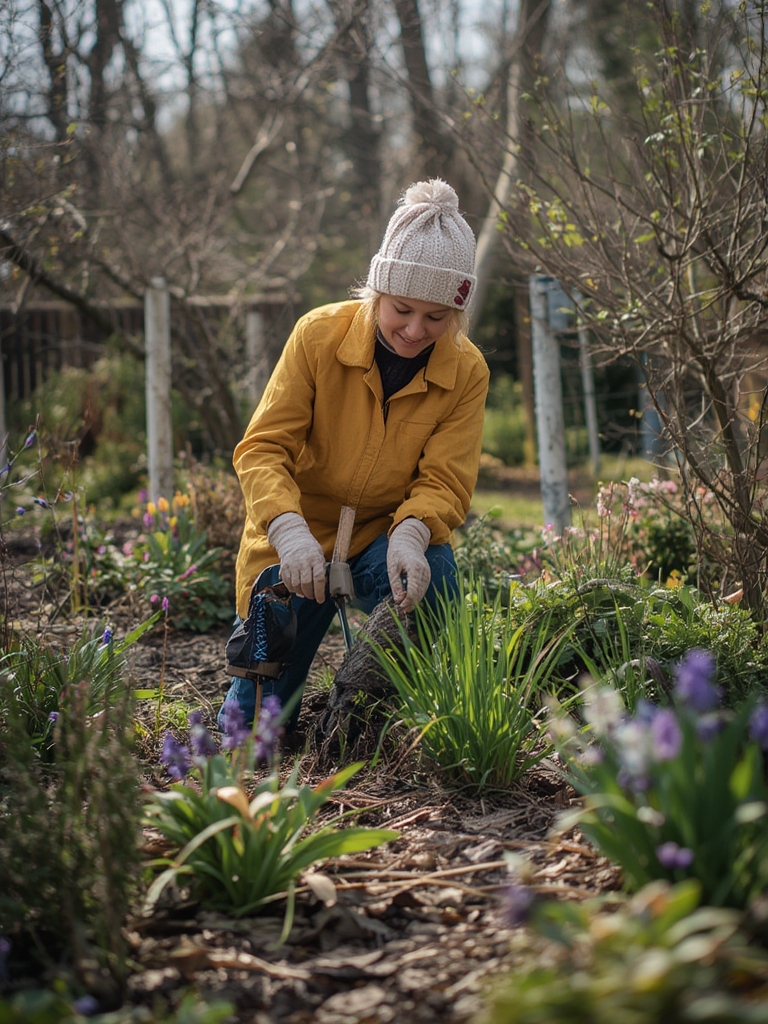
April Garden Checklist: Planting Warm-Season Vegetables
April Garden Checklist: Planting Warm-Season Vegetables
April is a month of vibrant transformation in the garden! The days are getting longer, the air is warming up, and the earth is beckoning us to get our hands dirty. For many gardeners, this is the exciting time when we begin to transition from cool-season crops to the promise of bountiful warm-season vegetables. If you’re eager to cultivate a thriving edible landscape, understanding the essential April gardening tasks is your key to success.
Whether you’re a seasoned green thumb or just starting your gardening journey, this comprehensive guide will walk you through everything you need to know to make the most of this pivotal spring month. Get ready to plant, nurture, and watch your garden flourish!
Tools & Tasks for This Season
Before you dive into planting, having the right tools on hand makes all the difference. Think of your garden tools as extensions of your passion – they help you connect with the earth efficiently and effectively.
Essential Tools for April:
- Trowel and Hand Fork: Indispensable for planting seedlings, weeding, and working compost into the soil.
- Gardening Gloves: Protect your hands from soil, thorns, and blisters.
- Pruners/Shears: For tidying up overwintered plants, deadheading, and light pruning.
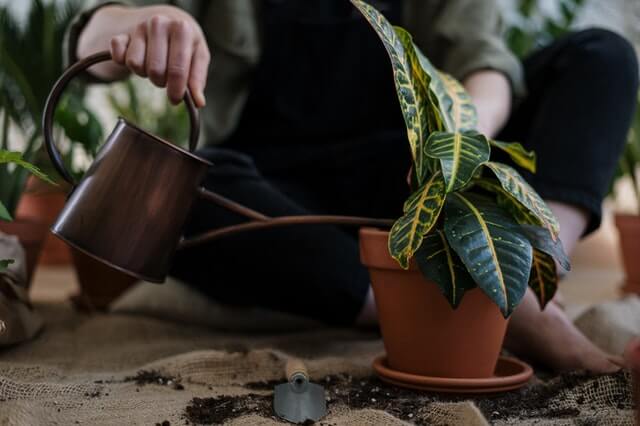
- Watering Can or Hose with a Gentle Sprayer: Crucial for hydrating new plantings without dislodging them.
- Wheelbarrow or Garden Cart: Handy for moving soil, compost, and weeds.
- Seed Starting Trays and Pots: If you’re still starting seeds indoors or potting up transplants.
- Good Quality Potting Mix/Compost: Essential for healthy plant growth.
Key Tasks for This Season:
April is a bridge month, connecting the last whispers of spring’s chill with the full embrace of summer. Your main April gardening tasks will involve preparing the soil, starting or transplanting warm-season crops, and generally sprucing up the garden.
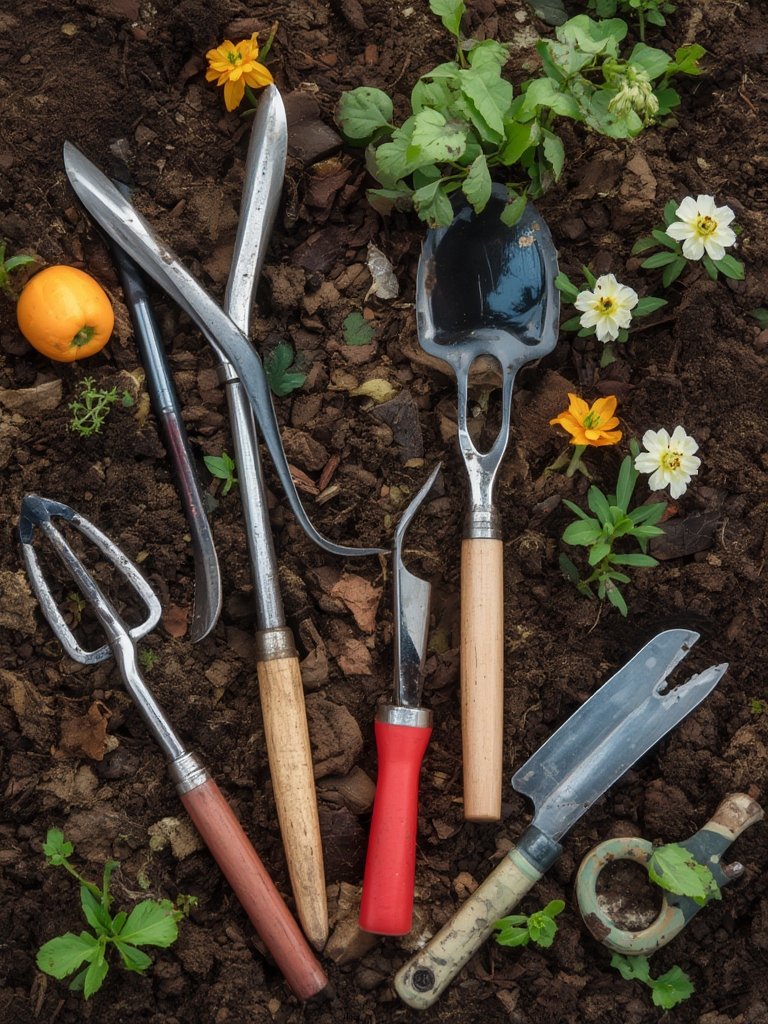
Seasonal Gardening Checklist
Here’s a step-by-step guide to your essential April gardening tasks, ensuring your warm-season vegetables get the best possible start:
- Check Your Last Frost Date: This is paramount! Warm-season vegetables are sensitive to frost. While April signals spring, many regions still experience late frosts. Know your local average last frost date and plan accordingly.
- Prepare Garden Beds:
- Clear Weeds: Remove any winter weeds that have emerged.
- Amend Soil: Incorporate generous amounts of organic matter like compost or well-rotted manure. This improves soil structure, drainage, and fertility.
- Test Soil (Optional): If you haven’t done it recently, a soil test can tell you exactly what nutrients your soil needs.
- Harden Off Seedlings: If you started warm-season seeds indoors (like tomatoes, peppers, eggplant), begin the “hardening off” process. Gradually expose them to outdoor conditions (sun, wind, cooler temperatures) over 7-10 days before transplanting.
- Direct Sow Warm-Season Crops (Post-Frost):
- Once the danger of frost has passed and soil temperatures are consistently warm (typically above 60°F or 15°C), you can direct sow seeds for crops like beans, corn, squash, cucumbers, and melons.
- Refer to a spring planting guide what to plant in April for specific varieties suitable for your climate.
- Transplant Warm-Season Seedlings:
- After hardening off and confirming no frost risk, plant your tomato, pepper, eggplant, and other tender seedlings into their permanent garden beds.
- Dig a hole slightly larger than the root ball, place the plant gently, backfill with soil, and water thoroughly.
- Continue Succession Planting for Cool-Season Crops: You can still plant successive rounds of lettuce, radishes, spinach, and other quick-growing cool-season crops early in April, especially in cooler climates, to extend your harvest.
- Support Systems: Install stakes, cages, or trellises for climbing plants like tomatoes, cucumbers, peas, and beans at the time of planting to avoid disturbing roots later.
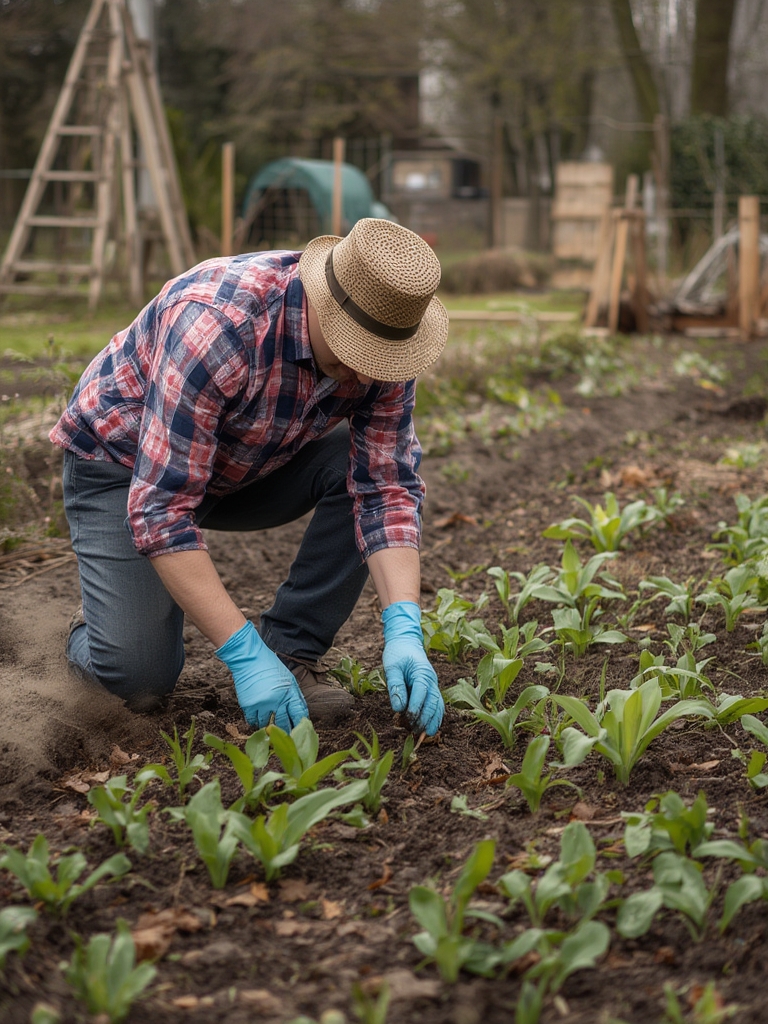
Planting, Pruning & Maintenance Tips
Getting your plants in the ground is just the beginning! Proper care will ensure a robust and productive garden.
- Planting Depths and Spacing: Always check seed packets or plant tags for specific instructions. Tomatoes, for instance, benefit from being planted deeply, burying part of the stem to encourage more root growth. Adequate spacing is crucial for air circulation and nutrient access.
- Watering: New transplants and direct-sown seeds need consistent moisture. Water deeply and regularly, especially during dry spells. Avoid overhead watering late in the day to minimize fungal diseases. Aim for moist, but not soggy, soil.
- Fertilizing: If you amended your soil with compost, your plants should have a good start. For heavy feeders like tomatoes and corn, consider a balanced organic fertilizer after they’ve established, following product instructions.
- Weed Control: Weeds compete with your plants for water and nutrients. Mulch is your best friend here! Apply a layer of organic mulch (straw, shredded leaves, wood chips) around your plants. This suppresses weeds, conserves moisture, and regulates soil temperature.
- Pest and Disease Monitoring: Regularly inspect your plants for signs of pests or diseases. Early detection makes control much easier. Look for chewed leaves, discolored spots, or the presence of insects. Address issues promptly with organic solutions if possible.
Season-Specific Mistakes
Even experienced gardeners can make mistakes. Being aware of common pitfalls in April can save you a lot of heartache.
- Planting Too Early: This is the most common mistake with warm-season crops. Frost can devastate tender seedlings. Always wait until the danger of your last average frost date has passed. If an unexpected cold snap is predicted, cover tender plants with row covers or blankets.
- Ignoring Soil Health: Planting into depleted, compacted soil is a recipe for poor growth. Taking the time to amend your soil before planting is one of the best investments you can make.
- Overwatering or Underwatering New Plants: Both extremes are detrimental. Overwatering can lead to root rot, while underwatering causes wilting and stress. Feel the soil; if it feels dry an inch or two down, it’s time to water.
- Neglecting Hardening Off: Skipping this crucial step can shock your indoor-started seedlings, leading to stunted growth or even death when exposed to the harsh outdoor environment.
Preparation for Next Season
While you’re busy with April gardening tasks, it’s never too early to think ahead to the summer harvest and beyond.
- Succession Planting: Plan for continuous harvests by sowing small batches of quick-growing crops (like lettuce, radishes, bush beans) every 2-3 weeks.
- Plan for Summer Heat: As temperatures rise, think about ways to protect your plants. This includes mulching to retain moisture and keep soil temperatures even, and potentially planning for shade cloths for heat-sensitive plants during peak summer.
- Compost Maintenance: Keep your compost pile turning! It will provide valuable nutrients for your garden throughout the growing season. Add garden waste, kitchen scraps, and a good mix of “greens” and “browns.”
Conclusion
April is truly a magical month for gardeners, brimming with potential and the promise of a bountiful harvest. By tackling these essential April gardening tasks, preparing your soil, carefully planting your warm-season vegetables, and staying vigilant with care, you’re laying the foundation for a productive and beautiful garden.
Embrace the joy of watching your plants grow, learning from every success and challenge, and connecting with nature. Happy gardening, and here’s to a fantastic growing season ahead!
FAQs
Q: When is it safe to plant warm-season vegetables in April?
A: It’s safe to plant warm-season vegetables after your average last frost date has passed and the soil temperature is consistently above 60°F (15°C). This can vary greatly by region, so check local weather forecasts and gardening resources.
Q: What are the best vegetables to plant in April?
A: Once frost danger is over, tomatoes, peppers, eggplant, squash, zucchini, cucumbers, beans, and corn are excellent warm-season vegetables to plant in April. You can also continue with some cool-season crops like lettuce and radishes early in the month. Refer to a spring planting guide what to plant in April for regional specifics.
Q: How often should I water new plants?
A: New plants, especially transplants, need consistent moisture. Water them thoroughly immediately after planting and then regularly, checking the soil moisture daily. Aim to keep the top inch or two of soil consistently moist, but not waterlogged.
Q: What’s the most important April gardening task for beginners?
A: For beginners, the most important task is soil preparation. Healthy soil is the foundation for healthy plants. Amending your garden beds with compost will significantly improve your chances of success. And always double-check your last frost date!
Q: How do I protect my seedlings from pests?
A: Start by promoting a healthy garden ecosystem with diverse plants. For direct protection, consider using row covers, hand-picking larger pests, or applying organic pest control methods like neem oil for common issues. Regular inspection is key to early detection.