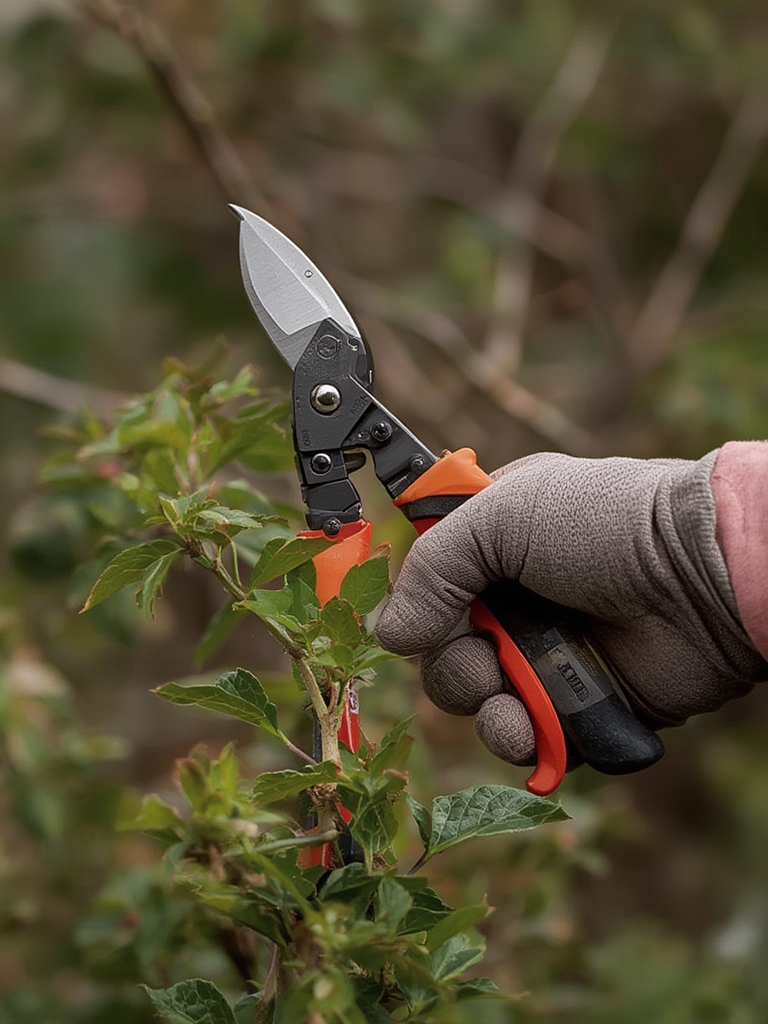
Best Garden Pruning Shears: Expert Reviews & Buying Guide
Best Garden Pruning Shears: Expert Reviews & Buying Guide
Every seasoned gardener understands that the secret to a thriving, beautiful garden isn’t just consistent watering or ample sunlight; it’s also about meticulous care, and at the heart of that care lies the art of pruning. But to perform this art effectively, you need the right tools. Investing in the best garden pruning shears isn’t just a purchase; it’s an investment in the health, aesthetics, and longevity of your plants.
From shaping delicate roses to maintaining the vigor of fruit trees, a quality pair of pruning shears makes all the difference, ensuring clean cuts that heal quickly and minimize disease risk. This comprehensive guide, crafted by an expert in gardening tools and SEO, will walk you through everything you need to know to select the perfect pair of best garden pruning shears, ensuring your gardening efforts are always rewarded.
Tool Overview & Key Features
When it comes to selecting the best garden pruning shears, several critical features differentiate a basic tool from an exceptional one. Understanding these elements is crucial for making an informed decision that will serve your gardening needs for years.
Blade Material and Design
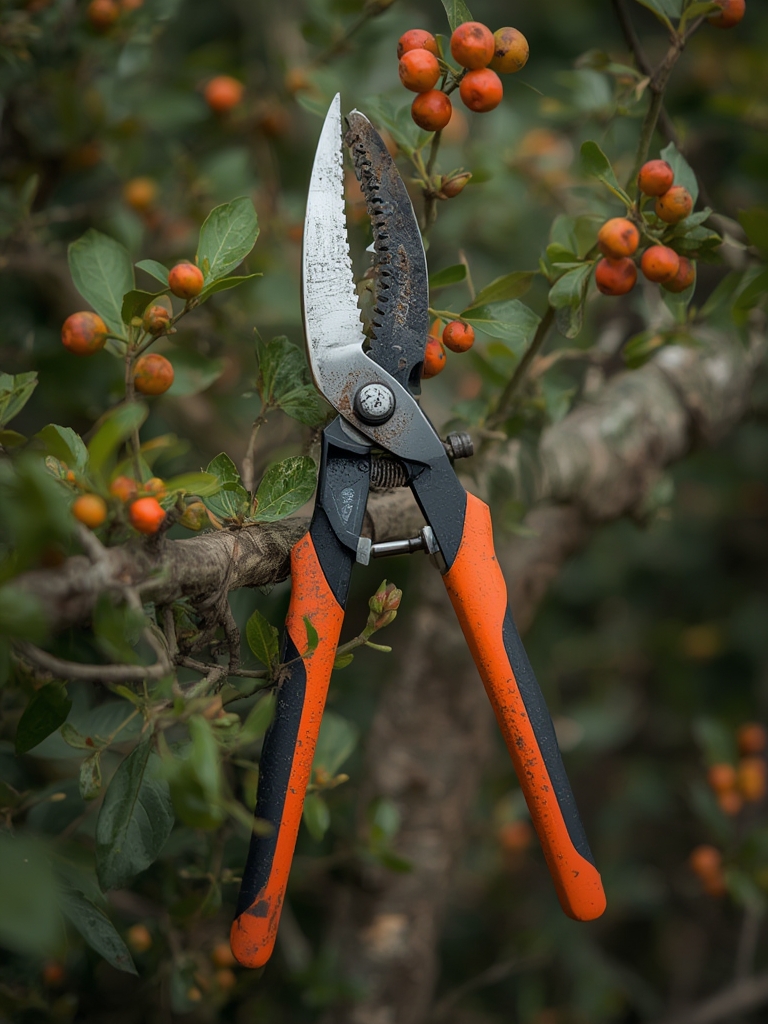
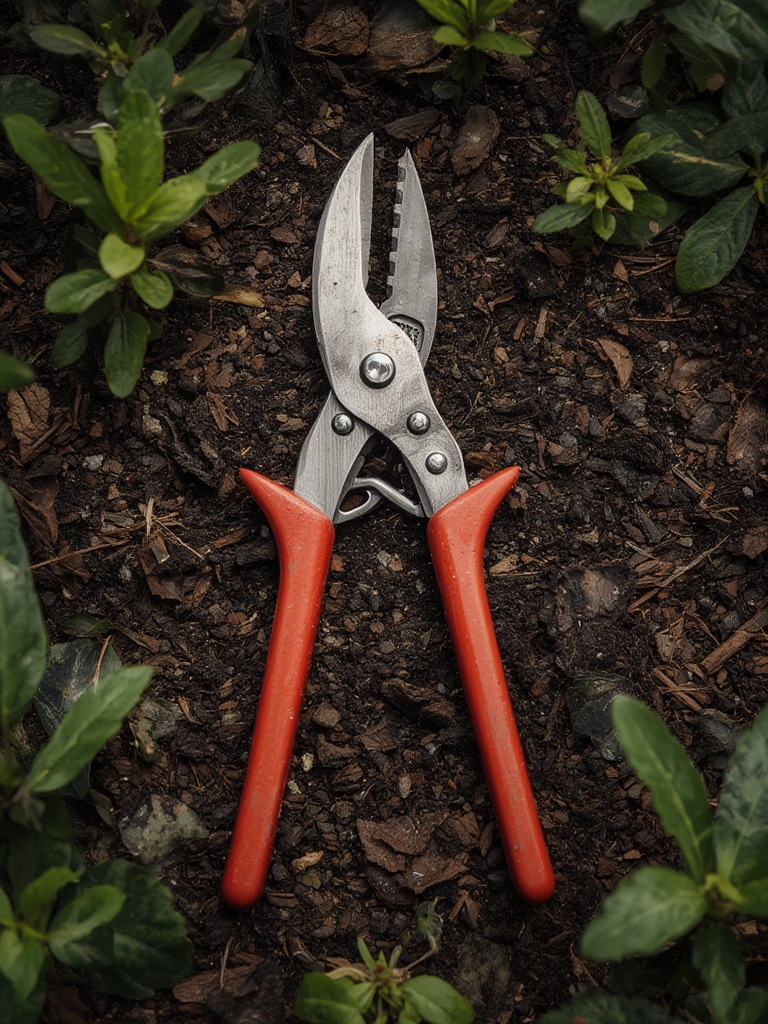
The blade is the heart of any pruning shear. High-carbon steel is often preferred for its exceptional sharpness and edge retention, though it requires more maintenance to prevent rust. Stainless steel offers better rust resistance but may not hold an edge quite as long. Look for precision-ground blades that ensure a clean, precise cut.
Cutting Capacity
Pruning shears are designed for smaller tasks, typically cutting branches up to 3/4 inch to 1 inch in diameter. Ensure the tool’s listed cutting capacity aligns with the typical thickness of the branches you intend to prune. Over-straining your shears can damage them and lead to poor cuts.
Ergonomics and Comfort
A comfortable grip is paramount, especially during extended pruning sessions. Look for handles that fit well in your hand, often featuring non-slip materials like rubber or composite. A well-designed spring mechanism assists in opening the blades, reducing hand fatigue. Left-handed users should seek ambidextrous designs or specific left-hand models.
Locking Mechanism
A secure locking mechanism is essential for safety and blade protection when the shears are not in use. Some designs offer a thumb-operated lock, while others might feature a squeeze-to-lock system. Ensure it’s easy to engage and disengage with one hand.
Bypass vs. Anvil Blades
These are the two primary types of pruning shears:
- Bypass Pruners: These operate like scissors, with two blades that “bypass” each other. They create a clean, precise cut, making them ideal for living stems and branches where plant health is a priority. This minimizes damage and promotes faster healing.
- Anvil Pruners: These have a sharp blade that closes against a flat anvil, crushing the stem. They are best suited for dead or woody material where precision isn’t as critical and crushing won’t harm the plant.
Ratchet Mechanism
For those dealing with tougher, thicker branches within the shears’ capacity, ratchet pruners offer mechanical assistance. They allow you to cut in stages, applying pressure incrementally, significantly reducing the effort required.
Pros & Cons
Understanding the advantages and disadvantages of high-quality pruning shears will help you appreciate their value and use them appropriately.
Pros:
- Clean Cuts: High-quality blades ensure clean, sharp cuts that minimize damage to plant tissue, promoting quicker healing and reducing the risk of disease.
- Reduced Plant Stress: Precise cuts mean less tearing or crushing, leading to healthier plants that recover faster.
- Ergonomic Comfort: Well-designed shears reduce hand fatigue, making pruning a more enjoyable and less strenuous task.
- Durability: Premium materials and construction mean these tools are built to last, often with replaceable parts like blades and springs.
- Versatility: Ideal for a wide range of tasks, from deadheading flowers to trimming small branches and shaping shrubs.
Cons:
- Initial Cost: The best garden pruning shears often come with a higher price tag compared to generic alternatives.
- Maintenance: To maintain peak performance, quality shears require regular cleaning, sharpening, and oiling.
- Task-Specific: While versatile, pruning shears are not suited for very thick branches, which would require loppers or saws. Using them incorrectly can damage the tool.
Performance & Use Cases
The performance of your pruning shears directly impacts the health and appearance of your garden. The best garden pruning shears excel in delivering consistent, precise cuts without crushing stems or straining your hand.
Optimal Performance
A high-performing pair of shears will glide through green stems and small woody branches with minimal effort, leaving a smooth, clean cut. This is crucial for:
- Plant Health: A clean cut heals faster, acting as a barrier against pests and diseases. Ragged cuts, conversely, are open wounds that invite pathogens.
- Ease of Use: Superior leverage and sharp blades translate into less strain on your wrists and hands, allowing for longer, more comfortable pruning sessions.
Common Use Cases:
- Deadheading Flowers: Removing spent blooms encourages new growth and more flowers.
- Shaping Shrubs and Bushes: Maintaining desired shapes and sizes for aesthetic appeal and plant health.
- Harvesting Fruits and Vegetables: Making clean cuts to remove produce without damaging the parent plant.
- Trimming Small Branches: Removing diseased, damaged, or crossing branches to improve air circulation and sunlight penetration.
- General Maintenance: Keeping plants tidy and promoting vigorous growth.
It’s vital to match the type of shear to the task. Bypass pruners for live growth, anvil for dead wood, and ratchet pruners when extra leverage is needed for slightly thicker woody stems.
Comparison or Alternatives
While best garden pruning shears are indispensable, it’s helpful to understand how they fit into the broader spectrum of pruning scissors reviews gardening tools.
Bypass vs. Anvil: A Deeper Dive
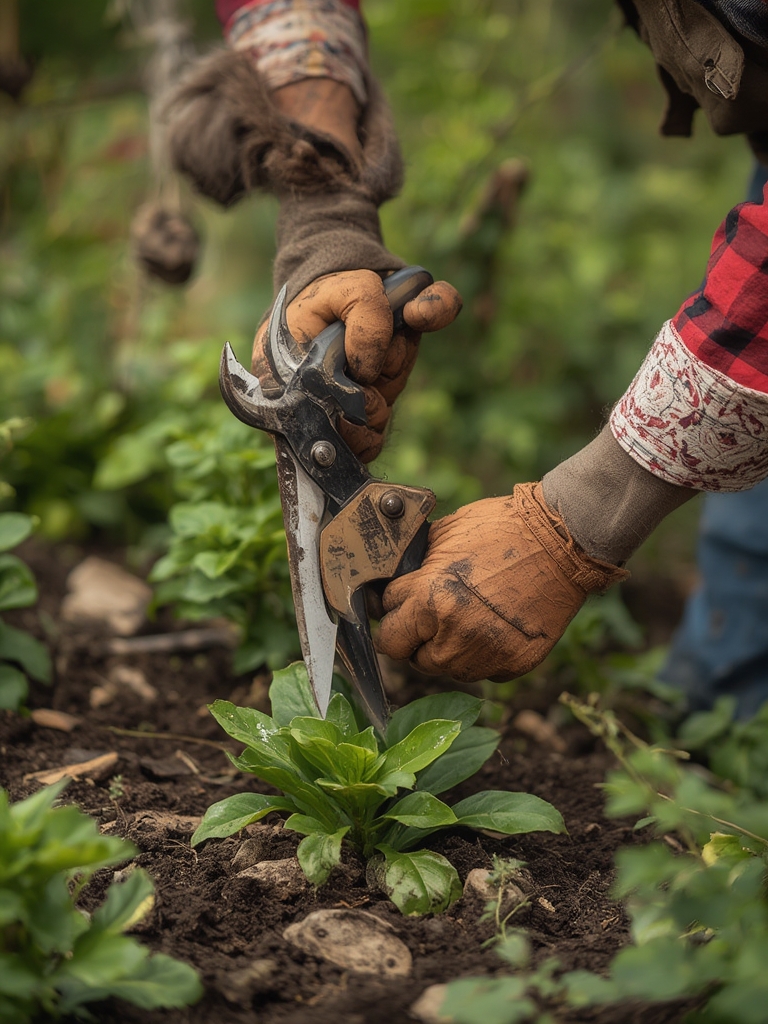
- Bypass Pruners: Your go-to for live plants. Their scissor-like action prevents crushing, preserving delicate cambium layers. Essential for roses, fruit trees, and any plant where promoting healthy regrowth is key.
- Anvil Pruners: Ideal for tougher, dead wood where a clean cut isn’t as critical, and you need to power through. Think clearing out old, dried branches. They can crush living tissue, so avoid using them on plants you want to keep healthy.
Ratchet Pruners: The Power Boost
Ratchet pruners are a hybrid, offering the best of both worlds in certain situations. They use a gear mechanism that allows the user to make cuts in several squeezes, multiplying your hand’s power. This makes them excellent for individuals with weaker hand strength or for cutting slightly thicker, woody material without needing to switch to loppers.
Other Pruning Tools: When Shears Aren’t Enough
While garden pruning shears are fantastic for precision, they have their limits. For larger tasks, consider:
- Loppers: These have long handles and larger blades, providing greater leverage for branches typically 1 to 2 inches in diameter.
- Hedge Shears: Designed specifically for shaping hedges and shrubs, they have long blades for shearing large areas quickly.
- Pruning Saws: For branches thicker than 2 inches, a pruning saw is necessary. They come in various blade lengths and designs for different cutting needs.
Understanding these distinctions ensures you choose the right tool for the job, preventing damage to your plants and your tools.
Who This Tool Is For
The best garden pruning shears are an essential piece of equipment for almost every gardener, regardless of experience level.
- The Home Gardener: From novice plant enthusiasts to seasoned green thumbs, anyone maintaining a garden will benefit immensely from precise cuts for flowers, herbs, and small shrubs.
- Professional Landscapers: Durability, ergonomics, and efficiency are paramount for professionals who rely on their tools daily.
- Horticulturalists and Arborists (for small tasks): While they use a wider range of specialized tools, quality hand pruners are indispensable for delicate work, sampling, and fine detailing.
- Beginners: Starting with a good pair of shears makes learning proper pruning techniques easier and more effective, building confidence in garden care.
- Experienced Enthusiasts: For those with extensive gardens, a reliable, comfortable pair means less fatigue and more enjoyment during routine maintenance.
Essentially, if you interact with plants in any capacity, a high-quality pair of pruning shears is a foundational tool that will pay dividends in plant health and your own gardening satisfaction.
Maintenance & Safety Tips
To ensure your best garden pruning shears remain effective and safe for years, proper maintenance and handling are crucial.
Maintenance Tips:
- Clean After Every Use: Sap and plant debris can dull blades and promote rust. Wipe blades with a cloth dampened with rubbing alcohol or a mild bleach solution (1 part bleach to 9 parts water) to sterilize and clean.
- Sharpen Regularly: Even the best blades dull over time. Use a sharpening stone or diamond file to maintain a keen edge. Follow the original bevel of the blade.
- Oil Moving Parts: Apply a few drops of lubricating oil (like WD-40 or a specialized tool oil) to the pivot point and spring mechanism to ensure smooth operation and prevent rust.
- Inspect for Damage: Periodically check for loose screws, worn springs, or chipped blades. Replace parts if necessary.
- Store Properly: Keep your shears in a dry place, ideally hung up or in a tool holster, to prevent moisture accumulation and accidental damage.
Safety Tips:
- Wear Gloves: Protect your hands from thorns, blisters, and potential slips.
- Wear Eye Protection: Always wear safety glasses to shield your eyes from snapping branches or flying debris.
- Keep Blades Locked: Engage the locking mechanism when the shears are not in use or when transporting them.
- Cut Away from Your Body: Always position the shears so that the cutting action is directed away from your body.
- Keep Out of Reach of Children: Store all gardening tools securely where children cannot access them.
- Don’t Overextend: If a branch is too thick, do not force the cut. Use a larger tool like loppers or a pruning saw instead.
By following these simple guidelines, you’ll extend the life of your pruning shears and ensure a safer gardening experience.
Final Verdict
Choosing the best garden pruning shears is a decision that significantly impacts your gardening success and enjoyment. While the market offers a myriad of options, prioritizing quality, ergonomics, and the right blade type for your specific needs will always yield the best results.
Remember, a well-maintained, high-performance pair of shears delivers clean cuts that promote plant health, prevents disease, and ultimately contributes to a more vibrant and beautiful garden. Don’t view it as merely another tool, but rather as an essential investment in the long-term vitality of your green space. Equip yourself with the right knowledge and the ideal shears, and watch your garden flourish.
FAQs
1. What’s the difference between bypass and anvil pruners?
Bypass pruners have two blades that slide past each other, like scissors, making clean cuts on live wood without crushing. Anvil pruners have a sharp blade that closes against a flat surface (the anvil), crushing the branch. They are best for dead or woody material.
2. How often should I sharpen my pruning shears?
It depends on usage. For regular use, sharpening your shears every few weeks or months will maintain their edge. If you notice cuts becoming ragged or requiring more effort, it’s time to sharpen them. Always clean them before sharpening.
3. Can I use regular scissors instead of pruning shears?
While regular scissors can cut very thin, soft stems, they are not designed for the rigors of pruning. Their blades are too thin, and their pivot point isn’t strong enough, leading to bent blades, poor cuts, and potential damage to both the scissors and your plants. Always use dedicated pruning shears.
4. What’s the ideal cutting capacity for home garden pruning shears?
Most standard hand pruning shears for home use can comfortably cut branches up to 3/4 inch (20mm) in diameter. Some heavy-duty models can handle up to 1 inch (25mm). Choose based on the typical thickness of the branches you usually prune.
5. How do I prevent rust on my pruning shears?
To prevent rust, clean your shears thoroughly after each use, removing all sap and debris. Dry them completely, and then apply a light coating of oil (such as mineral oil or specialized tool oil) to the blades and pivot points before storing them in a dry location.