DIY Bird Feeders & Squirrel-Proof Solutions for Winter Gardens
DIY Bird Feeders & Squirrel-Proof Solutions for Winter Gardens
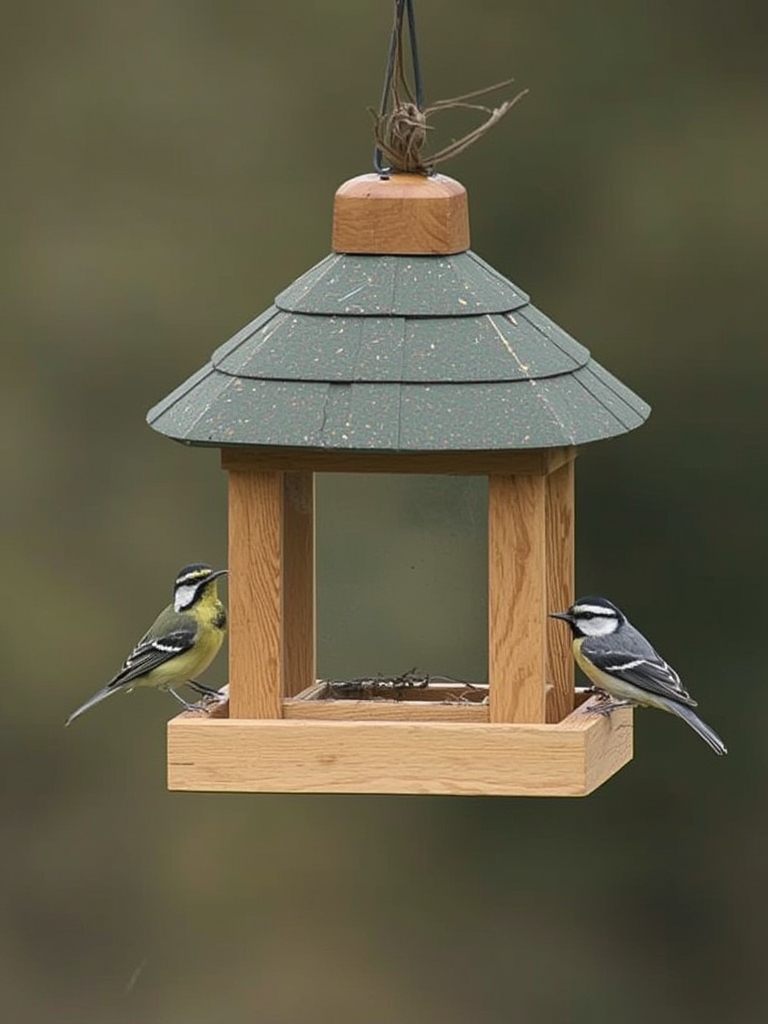
As the chill of winter sets in, our gardens might seem to quiet down, but there’s still a vibrant world of wildlife seeking sustenance. What better way to connect with nature and bring life to your frosty landscape than by inviting feathered friends to visit? Creating your own bird feeders diy is a rewarding project that’s kind to your wallet and the environment. Plus, we’ll tackle that age-old challenge: how to keep those clever squirrels from feasting on all the birdseed!
This guide is designed for beginners, offering simple, actionable steps to craft beautiful and functional feeders. Get ready to transform your garden into a bustling bird sanctuary!
Materials & Tools Needed
You’ll be surprised how many common household items can be repurposed into charming bird feeders diy. Here’s what you might need, depending on your chosen project:
- For Pinecone Feeders:
- Large pinecones
- Peanut butter (or alternative like suet/lard)
- Birdseed mix
- Twine or string
- Butter knife or spreader
- For Plastic Bottle Feeders:
- Clean plastic bottle (soda, milk jug)
- Wooden dowels, unsharpened pencils, or old spoons for perches
- Scissors or utility knife (adult supervision for children)
- Strong glue (optional, for perches)
- Twine or wire for hanging
- For Squirrel Baffle:
- Large plastic container (e.g., laundry detergent jug, bucket) or metal sheet
- Scissors or utility knife (for plastic) / tin snips (for metal)
- Drill (to make a hole for the feeder pole/hook)
- Heavy-duty wire or S-hooks
Project Duration & Planning
Most of these bird feeders diy projects are quick and easy, perfect for an afternoon activity!
- Pinecone Feeders: Approximately 15-30 minutes per feeder.
- Plastic Bottle Feeders: About 30-60 minutes per feeder, plus drying time if using glue.
- DIY Squirrel Baffle: Around 20-45 minutes, depending on materials.
Planning Tip: Gather all your materials beforehand. If involving children, pre-cut any tricky parts and focus on the fun, safe steps like spreading peanut butter or filling with seeds. Choose a dry, calm day to hang your feeders for the best experience.
Step-by-Step DIY Instructions
Let’s get crafting! Here are a couple of popular bird feeders diy designs, followed by a clever squirrel-proofing solution.
1. Classic Pinecone Feeder
This is a fantastic beginner project, especially for families!
- Prepare the Pinecone: Tie a sturdy piece of twine or string around the top of your pinecone (the wider end) to create a hanger.
- Spread the Butter: Using a butter knife or spreader, generously coat the pinecone with peanut butter, making sure to push it into all the crevices. If you have nut allergies, suet or melted lard mixed with cornmeal works just as well!
- Roll in Seeds: Pour your birdseed mix onto a plate or shallow tray. Roll the peanut-butter-coated pinecone in the seeds, pressing gently to ensure a good coating.
- Hang It Up: Find a suitable branch or hook in your garden and hang your new feeder!
2. Upcycled Plastic Bottle Feeder
Give a second life to your plastic waste!
- Prepare the Bottle: Remove the label and thoroughly clean and dry the bottle. Leave the cap on.
- Add Perches: About 2 inches from the bottom, poke two small holes directly opposite each other, just big enough for your dowel or pencil to slide through. Repeat this about 2-3 inches higher, offset from the first set of holes. Insert your perches through the holes. You can add a dab of strong glue to secure them if needed, but a snug fit is usually enough.
- Cut Feeding Holes: Above each perch, cut a small opening, about 1-2 inches wide, large enough for birds to comfortably access the seeds. Be careful not to make them too large, or seeds will spill out quickly.
- Create Hanger: Poke two small holes near the top of the bottle, opposite each other. Thread twine or wire through these holes and tie a knot to form a loop for hanging.
- Fill and Hang: Fill the bottle with birdseed, allowing it to pour out onto the perches. Hang it in your garden.
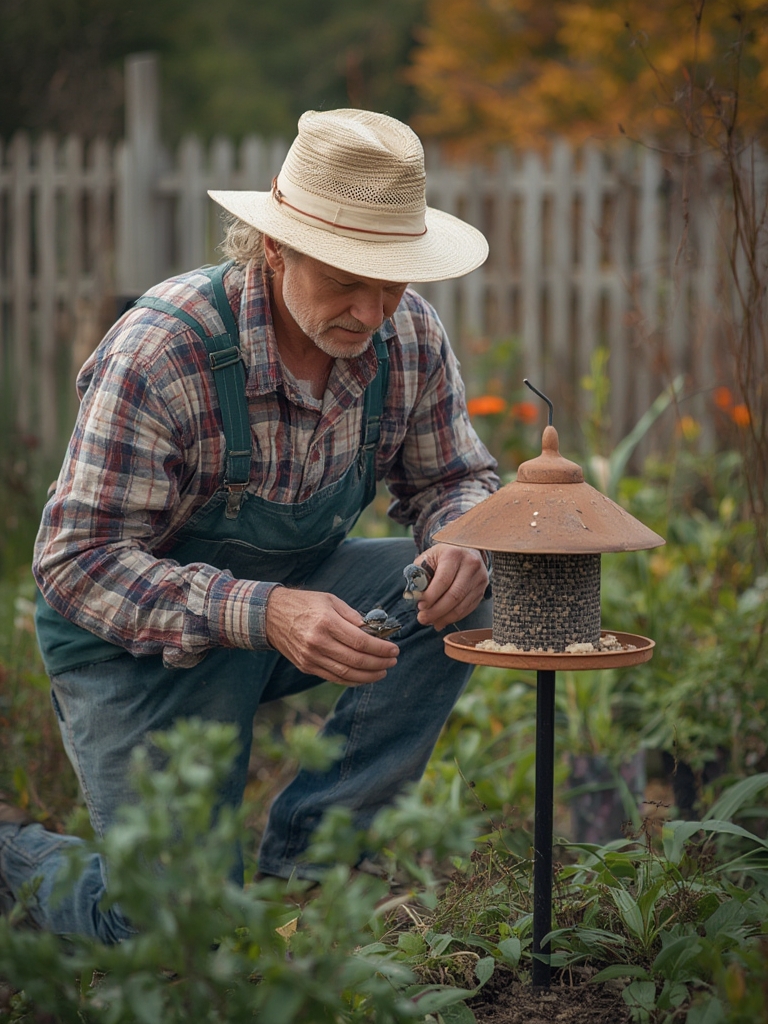
3. Crafting a diy squirrel baffle
Squirrels are persistent, but not unbeatable! A baffle creates a barrier they can’t climb or jump over.
- Choose Your Material: A large plastic bucket, laundry detergent jug, or even a metal trash can lid can work. The key is that it’s wider than the pole or hook it’s placed on.
- Prepare the Baffle:
- For Plastic: Cut the bottom off a large plastic container. You want a “dome” or “cone” shape. If using a jug, cut the top and bottom off to create a cylinder, then make a cut down one side.
- For Metal: A metal sheet can be bent into a cone shape, or a simple circular lid can be used.
- Create an Opening: In the center of your chosen baffle material, drill or cut a hole just slightly larger than the pole or hook on which your feeder hangs.
- Install the Baffle:
- Pole-Mounted: Slide the baffle onto the feeder pole below the feeder. It should be at least 4-5 feet off the ground and positioned so squirrels cannot jump past it. Secure it in place with a clamp or by drilling a small hole and adding a screw into the pole below the baffle.
- Hanging Feeders: If your feeder hangs from a branch, install the baffle above the feeder, on the wire or chain. This prevents squirrels from climbing down to reach the seeds.
Benefits & Practical Advantages
Beyond the simple pleasure of watching birds, creating bird feeders diy offers numerous advantages:
- Cost-Effective: Save money by repurposing materials you already have.
- Eco-Friendly: Reduces waste and promotes sustainability.
- Educational: A fantastic project for children to learn about local wildlife and practical skills.
- Personalized Touch: Design feeders that perfectly match your garden’s aesthetic.
- Wildlife Support: Provides vital sustenance for birds, especially during harsh winter months.
- Therapeutic: The act of creation and observation can be incredibly calming and satisfying.
DIY Variations & Customization Tips
Unleash your creativity! There are endless bird feeder ideas you can explore:
- Tin Can Feeders: Attach a stick for a perch and fill with suet.
- Orange Half Feeders: Scoop out the orange flesh, poke holes for hanging, and fill with seeds.
- Milk Carton Feeders: Cut windows, add a perch, and decorate.
- Decorate: Paint your feeders with non-toxic, outdoor-safe paints. Add beads (securely!) or natural elements for flair.
- Specialty Feeders: Research what specific birds visit your area and tailor your feeder type (e.g., platforms for cardinals, tubes for finches) and seed choices.
Common DIY Mistakes
Even simple projects can have pitfalls. Avoid these common blunders:
- Using Unsafe Materials: Avoid sharp edges, toxic paints, or small parts that could be ingested by birds. Glass feeders can become dangerous if they break.
- Incorrect Placement: Hanging feeders too close to windows can lead to collisions. Too close to dense bushes might offer cover for predators. Ensure your diy squirrel baffle is placed effectively to prevent jumps from nearby structures.
- Neglecting Squirrels: Assuming squirrels won’t find your feeder is a rookie mistake. Proactive squirrel-proofing is always best.
- Not Cleaning Feeders: Dirty feeders can spread disease among birds. Regular cleaning is crucial.
- Wrong Bird Seed: Using cheap filler seeds can attract unwanted pests and aren’t nutritious for many birds. Research good quality mixes.
Maintenance & Longevity Tips
To ensure your bird feeders diy last and remain healthy for your feathered friends:
- Regular Cleaning: Aim to clean your feeders every 1-2 weeks. Use a solution of 1 part bleach to 9 parts water, scrub thoroughly, rinse well, and allow to dry completely before refilling.
- Refill Consistently: Birds learn where to find food. Keep your feeders topped up, especially in cold weather.
- Inspect for Damage: Check regularly for cracks, loose parts, or wear and tear, especially after storms. Repair or replace as needed.
- Monitor Seed Quality: Discard any wet, moldy, or clumped seed immediately.
- Winter Care: In heavy snow, ensure feeders are clear of snow and accessible. Offer high-energy foods like suet during the coldest months.
Conclusion
Embarking on bird feeders diy projects is more than just a craft; it’s an act of kindness to nature and a wonderful way to enrich your own life. Imagine the joy of watching colorful birds flock to your handmade creations, knowing you’ve provided a safe haven and a much-needed meal. With these beginner-friendly instructions and smart squirrel-proofing techniques, you’re all set to create a vibrant, lively garden, even in the depths of winter. So, grab your materials, unleash your inner DIY enthusiast, and let the birdwatching begin!
FAQs
Q1: What’s the best bird seed for DIY feeders?
A1: A high-quality black oil sunflower seed is a universal favorite. Other good options include nyjer (thistle) for finches, suet for winter, and a mix of millet, safflower, and cracked corn for variety. Avoid cheap mixes with lots of red milo, as many birds discard it.
Q2: How often should I clean my DIY bird feeder?
A2: For optimal bird health, aim to clean your feeders every 1-2 weeks. Use a diluted bleach solution (1 part bleach to 9 parts water), scrub, rinse thoroughly, and let them dry completely before refilling.
Q3: Will squirrels always be a problem, even with a diy squirrel baffle?
A3: Squirrels are incredibly persistent! A well-placed and properly sized diy squirrel baffle is highly effective, but no method is 100% foolproof against the most determined squirrels. Proper feeder placement (away from jumping points) is also key.
Q4: What materials should I avoid when making bird feeders diy?
A4: Avoid anything toxic (paints, glues not marked safe for outdoors/animals), easily shattered materials like thin glass, and small, loose parts that birds could ingest. Also, ensure there are no sharp edges that could injure birds.
Q5: Where’s the best place to hang my DIY bird feeder?
A5: Hang your feeder where it’s easily visible to you but offers a sense of safety for birds – ideally within 10-15 feet of cover (trees, shrubs) but not so close that predators can hide. Avoid hanging them too close to windows to prevent collisions, or use window decals if feeders must be close. Ensure it’s out of reach for pets.