Water Conservation Gardening: Drought-Resistant Plants & Techniques
As an eco-gardening expert and your guide to a greener thumb, I’m here to show you how to cultivate a thriving garden that sips, not gulps, its water. With shifting climates and increasing concerns about water scarcity, embracing water conservation gardening isn’t just a trend—it’s a smart, sustainable, and rewarding approach for every home gardener. Imagine a vibrant landscape that stays beautiful even during dry spells, all while reducing your water bill and environmental footprint. Ready to transform your garden into a water-wise oasis? Let’s dive in!
Materials & Eco-Friendly Supplies for Water-Wise Gardening
Starting with the right tools and materials sets the foundation for successful water conservation gardening. Here’s what you’ll need to get started, focusing on sustainable choices:
- Organic Mulch: Straw, wood chips, shredded leaves, or compost are excellent for retaining soil moisture and suppressing weeds.
- Drip Irrigation System: A highly efficient way to deliver water directly to plant roots, minimizing evaporation and runoff.
- Rain Barrel: Collects rainwater from your roof, providing a free, chemical-free water source for your plants.
- Soil Amendments: Organic compost and other soil conditioners improve water retention and drainage, making every drop count.
- Watering Can/Hose with Nozzle: For precise watering, especially for newly planted or potted plants.
- Garden Trowel and Shovel: Essential for planting and working with soil.
- Hand Pruners: For maintaining plant health and encouraging growth.
- Drought-Tolerant Plants: Crucial for a low-water garden. Research native plants or those known for their low water needs in your region.
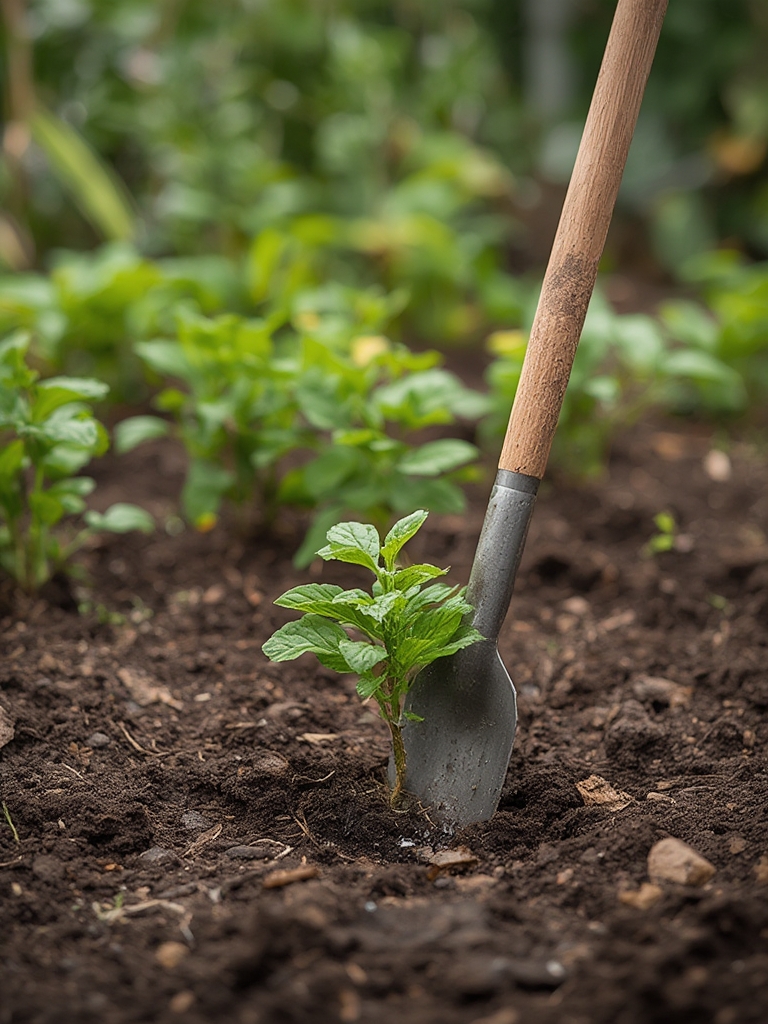
Step-by-Step Water-Wise Organic Method
Implementing water conservation gardening practices involves thoughtful planning and execution. Follow these steps to create a resilient, low-water garden:
-
Assess Your Site and Soil
Before planting, understand your garden’s sun exposure, drainage, and soil type. Conduct a simple soil test to determine its composition. Amending heavy clay soil with organic matter improves drainage, while adding compost to sandy soil enhances its water-holding capacity. Healthy soil is the bedrock of water conservation gardening.
-
Choose the Right Plants (Xeriscaping Principles)
This is perhaps the most critical step. Opt for drought resistant plants mulching watering efficiency that are native to your region or well-adapted to dry conditions. These plants have naturally evolved to thrive with less water. Group plants with similar water needs together to optimize watering schedules and prevent overwatering some while underwatering others. Think succulents, lavender, coneflowers, and many ornamental grasses.
-
Optimize Your Watering Efficiency
Forget the overhead sprinklers! Invest in a drip irrigation system or soaker hoses to deliver water directly to the root zone, significantly reducing evaporation. Water deeply and less frequently to encourage roots to grow deeper, making plants more resilient to dry periods. Water early in the morning to minimize water loss to evaporation.
-
Mulch, Mulch, Mulch!
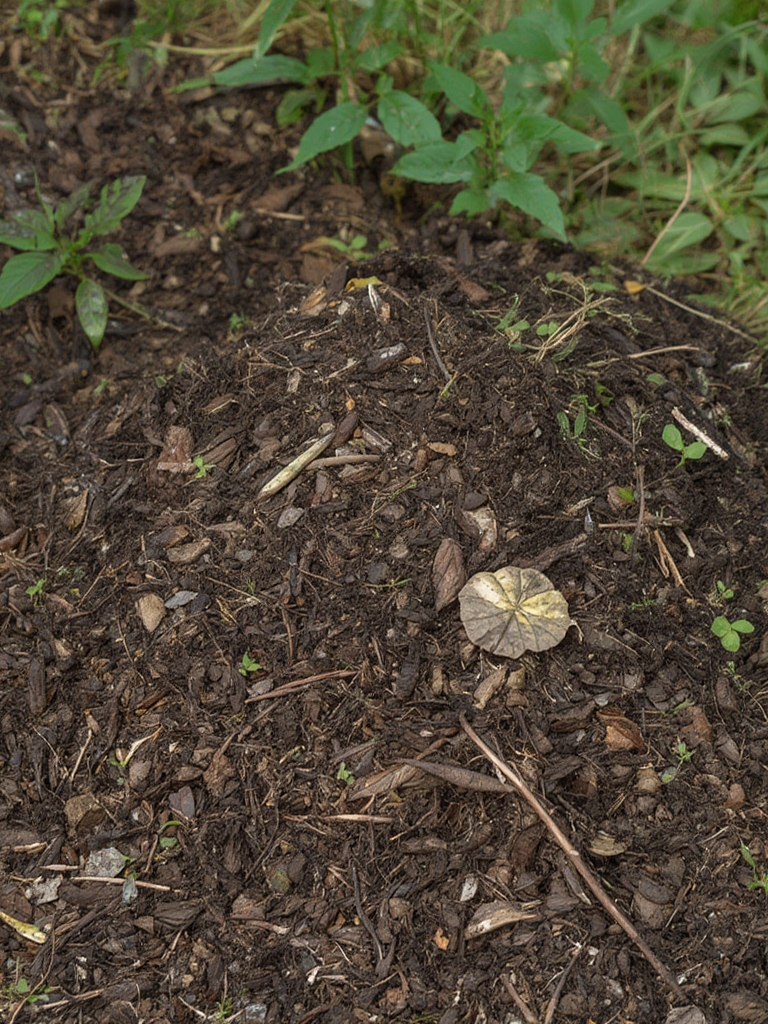
Applying a 2-4 inch layer of organic mulch around your plants is a game-changer for drought resistant plants mulching watering efficiency. Mulch acts as a blanket, keeping the soil cool, reducing water evaporation, and suppressing weeds that compete for precious moisture. As organic mulches break down, they also enrich the soil.
-
Rainwater Harvesting
Install rain barrels connected to your downspouts to collect rainwater. This free, soft water is perfect for your plants and helps reduce your reliance on municipal water sources. It’s a simple yet powerful step towards greater water conservation gardening.
-
Proper Planting and Spacing
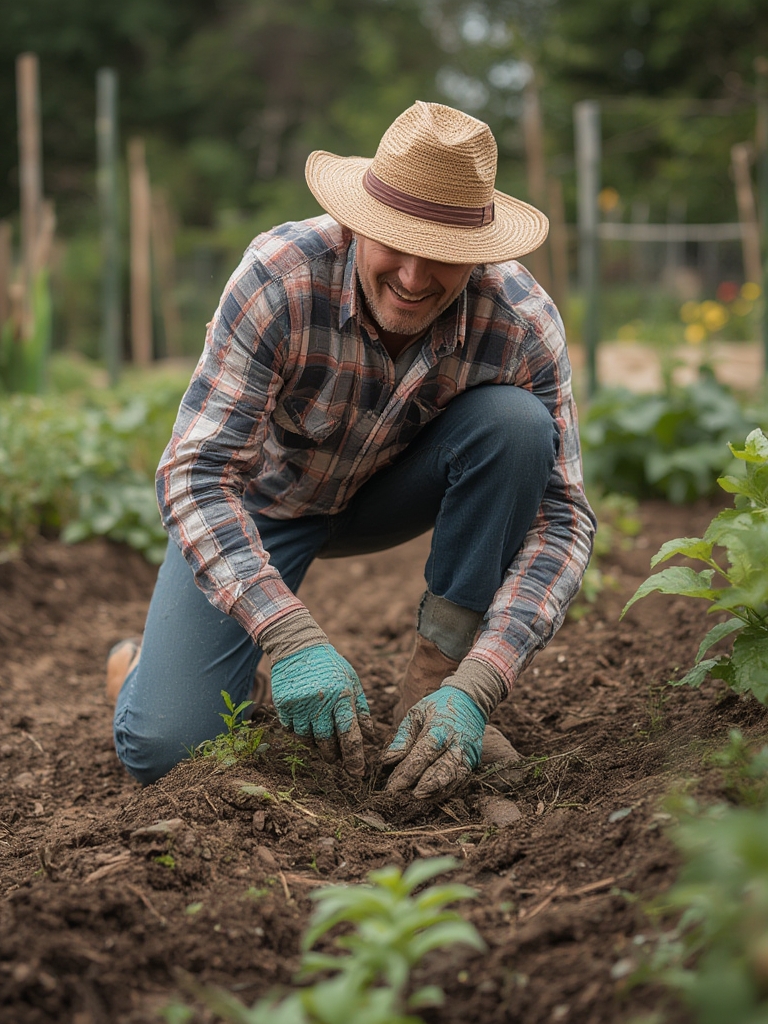
When planting, dig a hole slightly wider than the root ball. Create a small basin around new plants to help hold water, ensuring it soaks into the root zone. Proper spacing allows for good air circulation and prevents competition for water and nutrients.
Benefits of Water Conservation Gardening
Embracing water conservation gardening offers a wealth of advantages:
- Reduced Water Consumption: The most obvious benefit is saving a significant amount of water, which is crucial in drought-prone areas and for reducing overall environmental impact.
- Lower Utility Bills: Less water used means lower water bills, putting money back in your pocket.
- Healthier Plants: Plants adapted to your climate and receiving deep, infrequent watering develop stronger, deeper root systems, making them more resilient and less prone to disease.
- Less Maintenance: Once established, water-wise gardens often require less frequent watering, fertilizing, and pest control.
- Supports Local Ecosystems: Choosing native drought resistant plants mulching watering efficiency provides vital habitat and food for local wildlife, including pollinators and birds.
- Eco-Friendly Impact: Conserving water helps preserve this precious resource for future generations and reduces the energy used to treat and transport water.
Eco Tips & Sustainable Alternatives
- Greywater Systems: For the more advanced gardener, consider a greywater system to reuse water from showers or washing machines for irrigation.
- Smart Controllers: Pair your irrigation system with a smart controller that adjusts watering based on weather, soil moisture, and plant needs.
- Permeable Hardscapes: Instead of solid concrete, use permeable materials like gravel or pavers for pathways and patios to allow rainwater to infiltrate the soil.
- Rain Gardens: Design a rain garden to capture and absorb rainwater runoff from impervious surfaces, helping to replenish groundwater.
- Composting: Continuously enrich your soil with homemade compost. It dramatically improves soil structure, aeration, and water retention.
Common Water Conservation Mistakes to Avoid
Even with the best intentions, it’s easy to make mistakes. Here are some to steer clear of:
- Overwatering: Too much water suffocates roots and leads to disease. It’s one of the most common mistakes.
- Shallow Watering: Frequent, light watering encourages shallow root systems, making plants vulnerable to drought.
- Ignoring Soil Health: Poor soil doesn’t retain water or nutrients effectively, undermining all other efforts.
- Choosing the Wrong Plants: Planting water-guzzling varieties in a dry climate defeats the purpose of water conservation gardening.
- Neglecting Mulch: Without mulch, valuable soil moisture evaporates quickly, and weeds proliferate.
- Watering at the Wrong Time: Watering midday leads to significant evaporation.
Maintenance & Long-Term Care
A water-wise garden, while low-maintenance, still benefits from some ongoing care:
- Regular Monitoring: Observe your plants. Wilting leaves or discolored foliage can indicate stress, either from too much or too little water.
- Seasonal Adjustments: Adjust your watering schedule based on the season. Plants need less water in cooler months.
- Replenish Mulch: Annually top up your mulch layer as it decomposes to maintain its effectiveness.
- Weed Control: Regularly remove weeds, which compete with your desired plants for water and nutrients.
- Pruning: Prune dead or diseased branches to maintain plant health and reduce water demands on stressed parts.
Conclusion: Cultivate Beauty, Conserve Water
Embracing water conservation gardening is a powerful way to garden responsibly, creating a beautiful, resilient landscape that thrives with less. By selecting drought resistant plants mulching watering efficiency, optimizing your watering techniques, and nurturing healthy soil, you’re not just saving water—you’re cultivating a more sustainable future, one garden at a time. Start small, observe your plants, and enjoy the journey of becoming a water-wise gardener. Your garden, your wallet, and the planet will thank you!
Ready to start your water-wise garden? Share your tips and triumphs in the comments below!
FAQs About Water Conservation Gardening
Q1: What are the best drought resistant plants mulching watering efficiency for my region?
A1: The best plants depend on your specific climate zone and local conditions. A good starting point is to research native plants in your area, as they are naturally adapted to local rainfall patterns and soil types. Your local nursery or extension office can provide excellent recommendations.
Q2: How often should I water a water conservation gardening?
A2: The goal is deep, infrequent watering. Once established, many drought-tolerant plants can go for extended periods without water. Instead of a set schedule, water when the top few inches of soil are dry to the touch. This encourages deeper root growth and greater resilience.
Q3: Is mulching really effective for saving water?
A3: Absolutely! Mulch is incredibly effective. It reduces water evaporation from the soil by up to 30%, keeps soil temperatures stable, and suppresses weeds that compete for moisture. It’s one of the easiest and most impactful ways to conserve water in your garden.
Q4: Can I convert my existing garden into a water-wise one?
A4: Yes, you can! Start by identifying high-water-use plants you can replace with drought-tolerant alternatives. Gradually improve your soil with compost, add mulch, and consider installing drip irrigation in specific zones. It’s a gradual process, but every step makes a difference.
Q5: What is xeriscaping?
A5: Xeriscaping is a landscaping method designed to reduce or eliminate the need for supplemental irrigation. It involves principles like drought-tolerant plant selection, efficient irrigation, mulching, and proper soil preparation to create beautiful, water-efficient landscapes, aligning perfectly with water conservation gardening.