Backyard Greenhouse Ideas: DIY Builds, Tools & Materials
Backyard Greenhouse Ideas: DIY Builds, Tools & Materials
Ever dreamed of stepping into your garden on a chilly morning and picking fresh tomatoes, even in the dead of winter? Or perhaps nurturing delicate seedlings long before spring officially arrives? With your very own backyard greenhouse, this dream can become a vibrant reality!
As a fellow gardening enthusiast, I know the joy (and sometimes frustration!) that comes with growing your own food and flowers. A greenhouse isn’t just a fancy garden structure; it’s a game-changer, extending your growing season, protecting your beloved plants, and offering a peaceful sanctuary. Building one yourself, from scratch or using simple diy greenhouse plans, is incredibly rewarding and often more affordable than you’d think.
This comprehensive guide will walk you through everything you need to know about creating your own slice of gardening heaven. We’ll cover materials, tools, planning, step-by-step instructions, and even how to make sure your green oasis thrives year-round, making winter growing a breeze. Let’s get building!
Materials & Tools Needed for Your DIY Greenhouse
Before you dive into construction, gathering the right materials and tools is crucial. Think of this as your gardening mission’s supply list! The specific items will depend on the size and type of backyard greenhouse you choose to build, but here’s a general overview.
Essential Materials:
- Framing: Wood (cedar, redwood, treated lumber for durability), PVC pipes (cost-effective and easy to work with), or even repurposed metal frames.
- Glazing/Covering: Polycarbonate panels (durable, good insulation), greenhouse film (affordable, flexible), or old windows (upcycled charm).
- Fasteners: Screws, bolts, hinges, nails, heavy-duty staples, and greenhouse clips (for film).
- Foundation: Gravel, pavers, or concrete if you’re building a more permanent structure.
- Ventilation: Vents (manual or automatic), an exhaust fan, or simply a sturdy door.
- Door & Hardware: Lumber for a frame, clear covering, and hinges/latches.
Key Tools:
- Measuring & Marking: Tape measure, carpenter’s square, pencil.
- Cutting: Hand saw, circular saw, miter saw (for wood); PVC cutter (for PVC).
- Drilling: Electric drill, various drill bits.
- Fastening: Screwdriver set (manual or electric), hammer.
- Safety Gear: Work gloves, safety glasses, ear protection.
- Utility Knife/Shears: For cutting plastic film or netting.
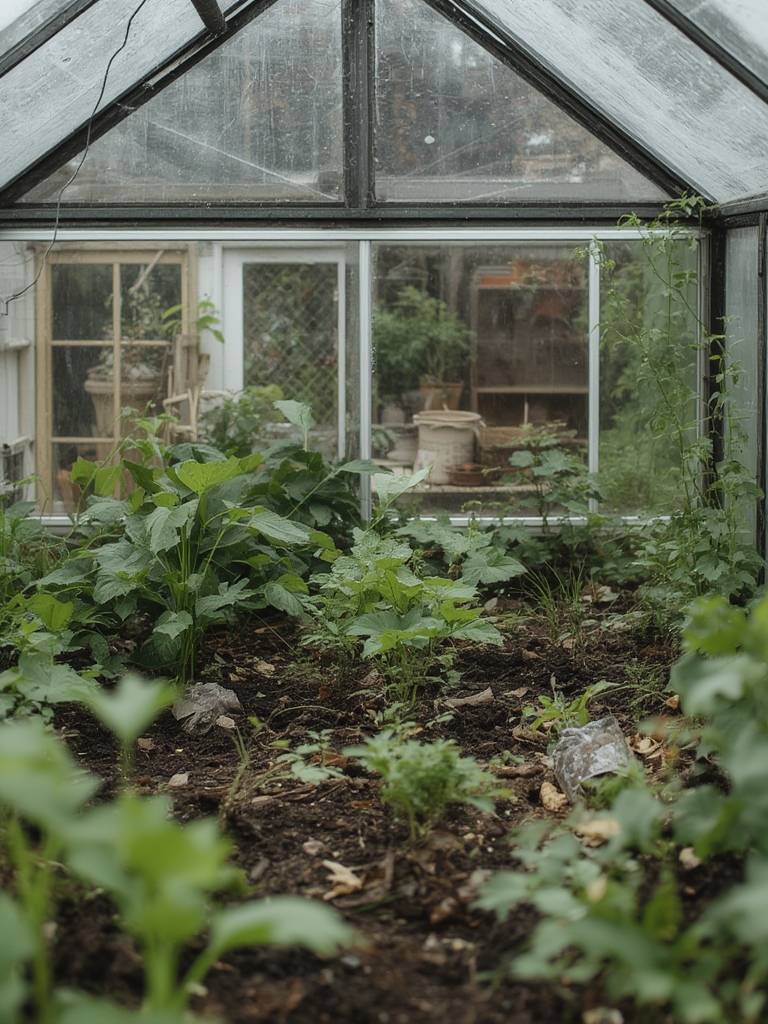
Project Duration & Planning Your Greenhouse
The time it takes to build a backyard greenhouse can range from a single weekend for a simple cold frame to several weeks for a larger, more elaborate structure. Thorough planning is your best friend here!
Types of DIY Greenhouses to Consider:
- Cold Frame: Small, low structures, great for hardening off seedlings or extending the harvest a bit. Can be built in a day or two.
- Lean-To Greenhouse: Attaches to an existing structure (like your house or shed). Saves space and can share heat. Takes a few days to a week.
- Freestanding Greenhouse: A standalone structure, offering maximum flexibility in placement and size. This is where most extensive diy greenhouse plans come in, potentially taking a week or more.
Crucial Planning Steps:
- Site Selection: Choose a spot that gets at least 6 hours of direct sunlight daily, ideally facing south or southeast. Ensure good drainage and protection from strong winds.
- Size & Layout: Determine how much space you need for your plants and working area. Sketch out your design.
- Budget: Estimate costs for materials, tools you might need to buy, and any potential upgrades.
- Local Regulations: Always check with your local municipality for any building permits or zoning restrictions, especially for larger permanent structures.
Step-by-Step DIY Instructions
While specific diy greenhouse plans will vary greatly depending on your chosen design, here’s a general sequence of steps that applies to most backyard greenhouse projects:
- Prepare the Site: Clear the chosen area, level the ground, and establish your foundation (whether it’s compacted gravel, pavers, or poured concrete). Proper drainage is key!
- Build the Base/Foundation: This provides stability and a level surface for your frame. For wood structures, this might be treated lumber sleepers. For PVC, it could be a simple ground frame.
- Construct the Frame: This is the skeleton of your greenhouse. Carefully follow your chosen diy greenhouse plans to cut and assemble the walls, roof, and door frame. Ensure all joints are secure and square.
- Install the Covering/Glazing: Attach your chosen polycarbonate panels, greenhouse film, or repurposed windows to the frame. Start from the bottom and work your way up, overlapping as necessary to prevent drafts and leaks. Pay close attention to sealing all edges.
- Add Ventilation & Door: Install your door, ensuring it opens and closes smoothly. Integrate vents, either passive (ridge vents, side vents) or active (exhaust fan), to control temperature and humidity. Good airflow is vital!
- Finishing Touches: Add interior shelving, a watering system, or anything else to make your greenhouse functional and comfortable.
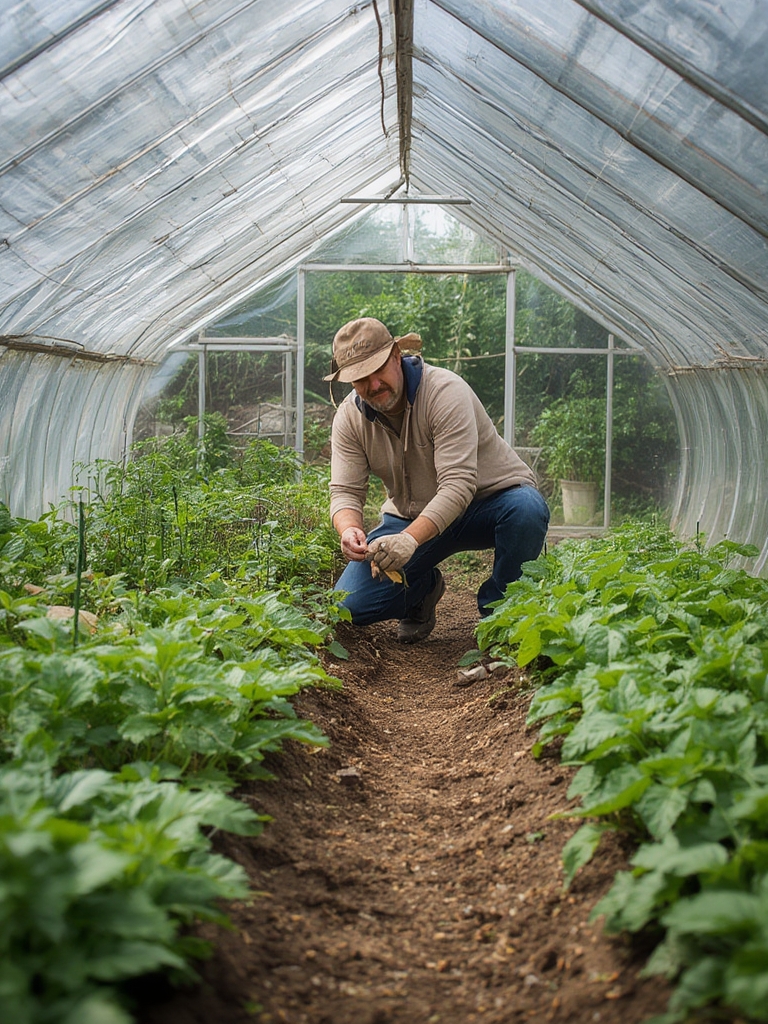
*Caption: Step-by-step assembly brings your backyard greenhouse vision to life, frame by frame.*
Benefits & Practical Advantages of a Backyard Greenhouse
Building a backyard greenhouse opens up a world of gardening possibilities. The advantages are numerous:
- Extended Growing Season: This is perhaps the biggest perk. Start seedlings earlier in spring and harvest crops later into the fall, even enabling true winter growing for many plants.
- Plant Protection: Shield delicate plants from harsh weather conditions like frost, heavy rain, strong winds, and even some pests.
- Grow Exotics: Create a microclimate suitable for heat-loving plants or exotic varieties that wouldn’t survive in your region’s natural climate.
- Pest & Disease Control: A controlled environment helps reduce pest infestations and certain plant diseases.
- Cost Savings: Over time, growing your own produce can significantly reduce your grocery bill.
- Therapeutic Hobby: There’s immense satisfaction in nurturing plants in your own custom-built space. It’s a peaceful escape!
DIY Variations & Customization Tips
The beauty of a DIY backyard greenhouse is the endless potential for customization.
- Material Choices:
- PVC: Excellent for budget-friendly hoop houses. Lightweight and easy to bend.
- Wood: Offers a more traditional, sturdy look. Cedar is naturally rot-resistant.
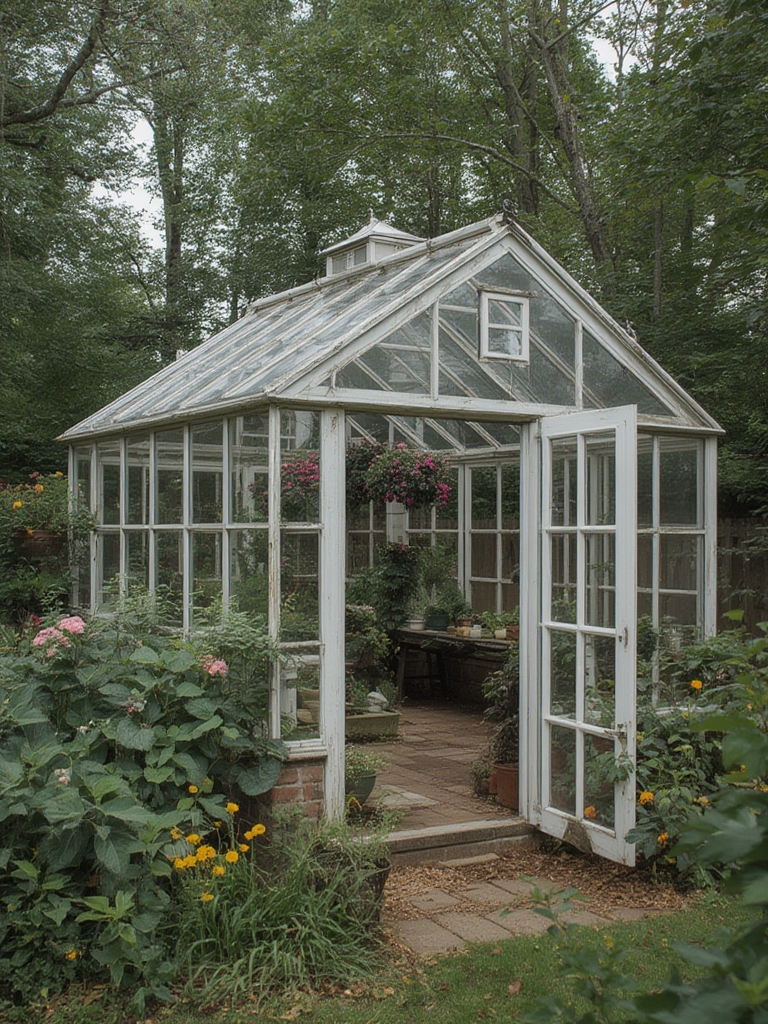
- Upcycled Materials: Old windows and doors can make stunning, unique greenhouses.
- Size Matters: From a mini “cloche” to a sprawling walk-in structure, tailor the size to your needs and space.
- Heating & Cooling: Consider adding a small electric heater for colder nights or shade cloth for intense summer sun. Automatic vent openers react to temperature changes, making management easier.
- Interior Layout: Install sturdy shelving, hanging baskets, or raised beds to maximize your growing area. Drip irrigation systems can save time and water.
- Aesthetics: Paint your wooden frame, add decorative trim, or choose a covering that blends beautifully with your garden’s aesthetic.
Common DIY Mistakes to Avoid
Even the most enthusiastic DIYer can make missteps. Being aware of these common errors can save you time and frustration:
- Poor Site Selection: Placing your greenhouse in too much shade or a windy, exposed area will severely limit its effectiveness. Sun is critical!
- Insufficient Ventilation: Overheating is a common greenhouse killer. Without adequate airflow, temperatures can soar, and humidity can lead to fungal diseases. Always prioritize ventilation.
- Weak Foundation: A flimsy base can lead to structural instability, especially in high winds or heavy snow. Ensure your foundation is level and secure.
- Underestimating Budget & Time: DIY projects often take longer and cost a bit more than initially planned. Factor in potential unforeseen expenses and extra work hours.
- Ignoring Local Regulations: Don’t skip checking for permits. A large backyard greenhouse might require specific approvals.
Maintenance & Longevity Tips for Your Greenhouse
A little ongoing care will ensure your backyard greenhouse lasts for many years and continues to support successful winter growing and more.
- Regular Cleaning: Keep the glazing clean to maximize light penetration. Dust, dirt, and algae can significantly reduce sunlight.
- Inspect for Damage: Periodically check the frame for loose screws, rot (if wood), or cracks in the covering. Repair any issues promptly.
- Manage Ventilation: Adjust vents according to the weather. On hot days, open them wide; on cooler days, allow just enough airflow to prevent condensation.
- Pest and Disease Watch: Since the greenhouse creates an ideal environment for plants, it can also attract pests. Inspect your plants regularly and address any issues quickly. Good hygiene helps.
- Winterization: For unheated greenhouses, ensure all gaps are sealed, and consider adding extra insulation for sensitive plants if you plan for winter growing. Clear snow promptly from the roof to prevent structural stress.
Conclusion: Grow Your Dreams, One DIY Project at a Time!
Building your own backyard greenhouse is more than just a home improvement project; it’s an investment in your gardening passion, your health, and your connection to nature. Imagine enjoying fresh herbs and vegetables year-round, experimenting with exotic plants, and finding a peaceful escape right in your own backyard.
With careful planning, the right materials, and a bit of elbow grease, you can create a beautiful and functional space that will bring you joy for years to come. Don’t be intimidated – embrace the challenge, enjoy the process, and soon you’ll be harvesting the literal fruits (and vegetables!) of your labor. Your green thumb is ready for this adventure!
FAQs About Building a DIY Backyard Greenhouse
Q1: How much does a DIY backyard greenhouse typically cost?
A1: Costs vary widely. A small PVC hoop house with greenhouse film might cost $100-$300, while a larger wooden frame greenhouse with polycarbonate panels could range from $500 to $2000+, depending on materials and complexity. Repurposing materials can significantly reduce costs.
Q2: What’s the best material for a DIY greenhouse cover?
A2: For durability and insulation, polycarbonate panels are excellent. Greenhouse film is more affordable and flexible, great for temporary or hoop structures. Glass or old windows offer superior clarity and aesthetics but are heavier and more fragile. Your choice depends on budget, desired lifespan, and ease of installation.
Q3: How do I ventilate my DIY greenhouse effectively?
A3: Essential ventilation methods include strategically placed vents (roof and side), a hinged door, and potentially an exhaust fan. For passive ventilation, hot air rises and escapes through roof vents, drawing in cooler air through lower side vents. Automatic vent openers, which react to temperature, are a great upgrade.
Q4: Can I really grow anything in a DIY greenhouse in winter?
A4: Yes! With proper planning and potentially a heat source, many crops can thrive during winter growing. Cold-hardy greens (spinach, lettuce, kale), root vegetables, and even some herbs can do well in an unheated greenhouse. With heating, you can grow almost anything you would in summer.
Q5: Do I need a building permit for a backyard greenhouse?
A5: It depends on your local municipality and the size/type of your greenhouse. Small, temporary structures like cold frames usually don’t require permits. However, larger, permanent freestanding or lean-to greenhouses might. Always check with your local planning department before starting construction to avoid potential issues.