Beneficial Insects in Garden: Attract Pollinators & Predators
Beneficial Insects in Garden: Attract Pollinators & Predators
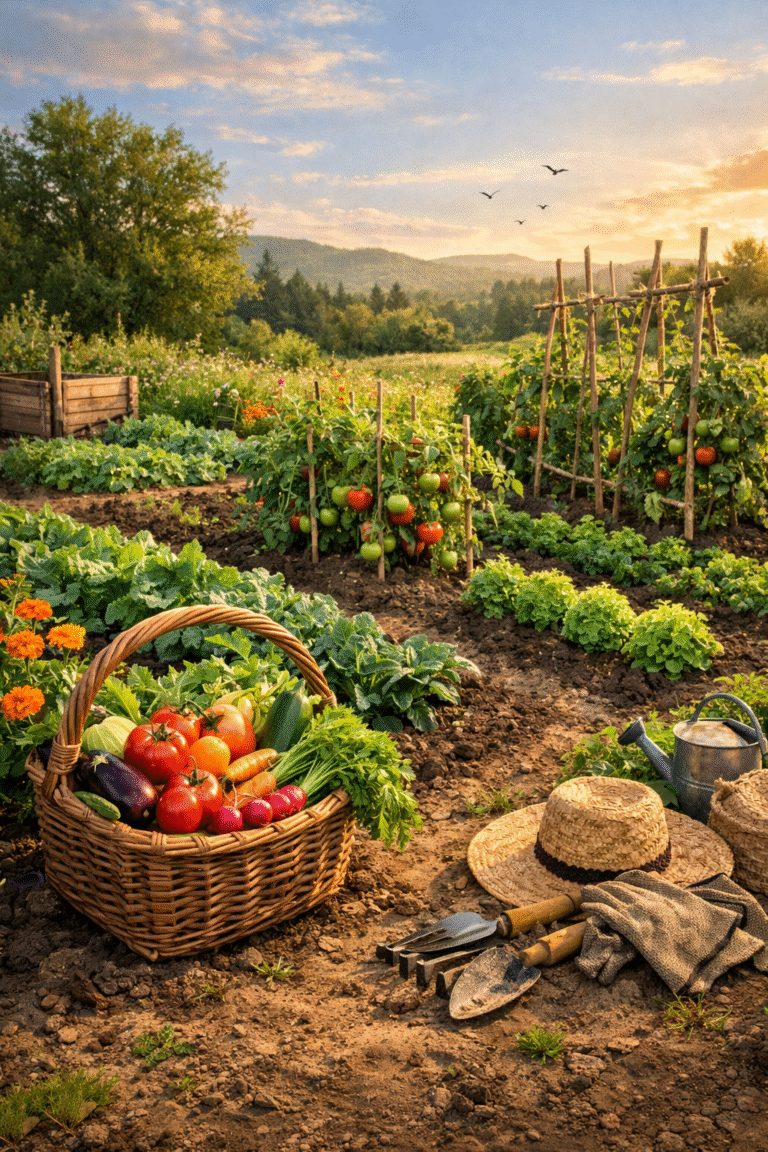
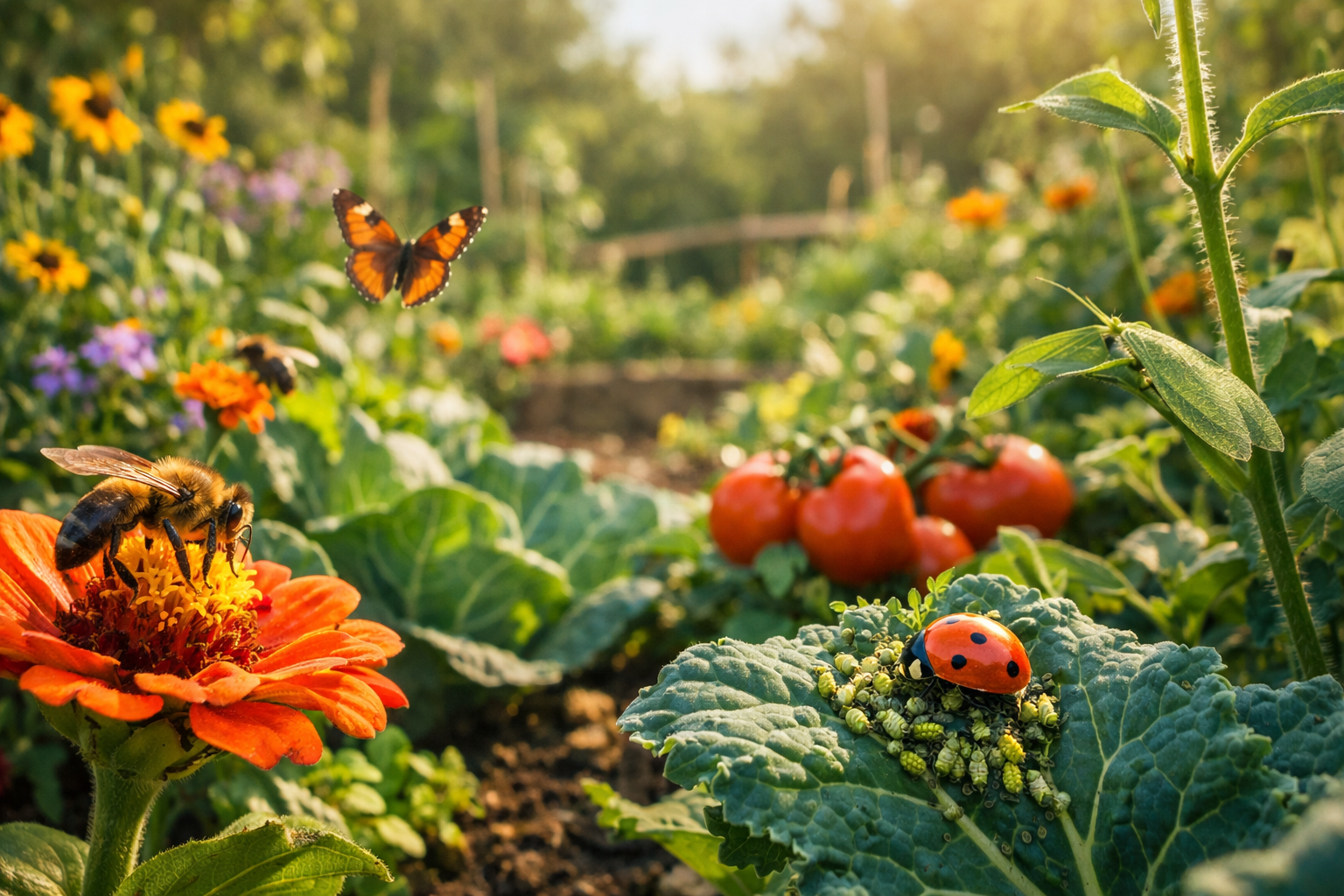
Imagine a garden buzzing with life, vibrant with color, and thriving without the need for harsh chemicals. Sounds like a dream, right? What if we told you that this dream is not only achievable but also incredibly simple to start? The secret lies in inviting nature’s own tiny helpers: beneficial insects garden. These unsung heroes – from diligent pollinators to voracious predators – are essential for a healthy ecosystem, ensuring your plants flourish and pests are kept in check, all while reducing your workload.
As an eco-gardening expert, I’ve seen firsthand the transformative power of working with nature, not against it. Embracing beneficial insects means less time battling pests and more time enjoying your beautiful, productive garden. In this comprehensive guide, we’ll walk you through everything you need to know to create a welcoming haven for these incredible creatures, ensuring your garden thrives organically.
Materials & Eco-Friendly Supplies for Your Beneficial Insect Haven
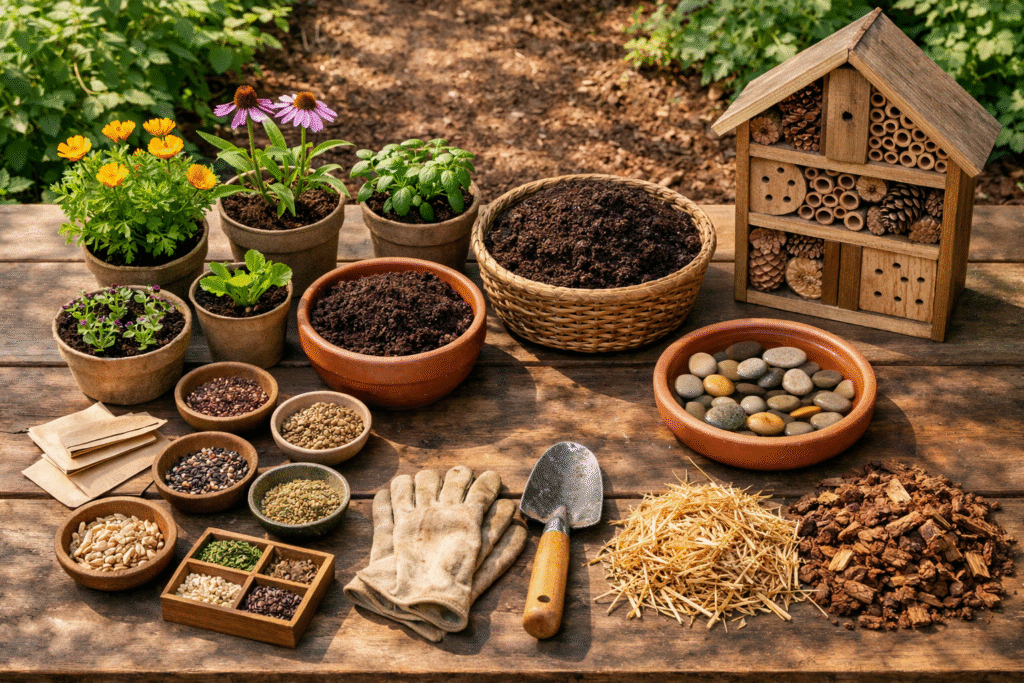
Before you start, gathering the right supplies can make all the difference. The good news is, you likely have many of these on hand, or they’re easily sourced organically.
- Diverse Plant Seeds/Starts: Opt for native flowers, herbs, and vegetables that offer nectar, pollen, and shelter.
- Organic Soil Amendments: Compost, worm castings, and other organic fertilizers improve soil health, which in turn supports plants that attract beneficial insects.
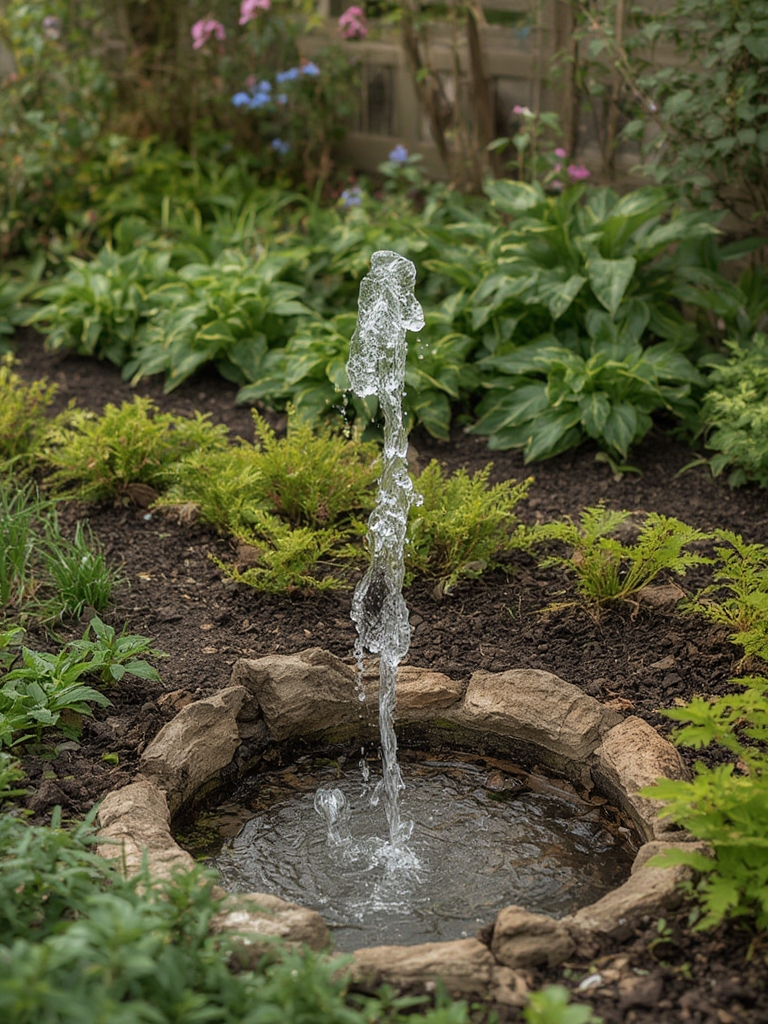
- Water Source: A shallow bird bath, a dish with pebbles, or a small pond provides crucial hydration.
- Insect Hotel (Optional but Recommended): Store-bought or DIY insect hotels offer shelter for solitary bees and other beneficials.
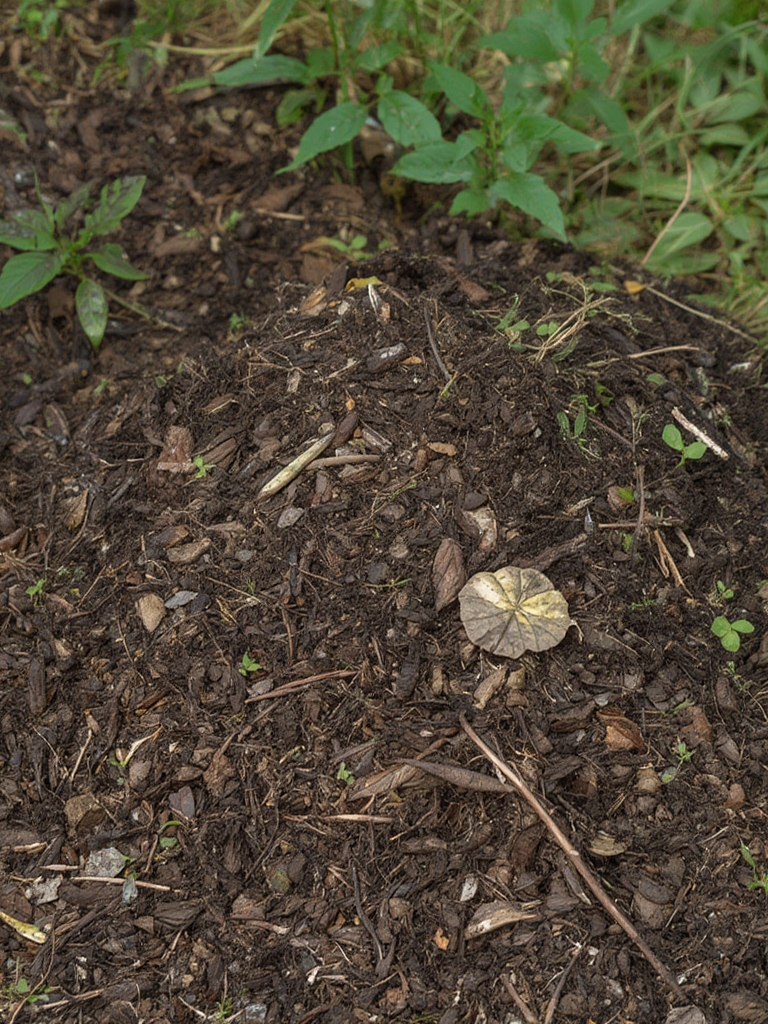
- Mulch: Organic mulches like straw or wood chips help retain soil moisture and provide habitat.
- Hand Trowel & Gloves: For planting and light garden work.
Step-by-Step Organic Method to Attract Beneficial Insects
Ready to roll out the welcome mat? Here’s how to create an irresistible habitat for your garden’s best friends.
Step 1: Plant for Diversity & Continuous Bloom
The golden rule for attracting beneficial insects is to provide a consistent food source.
- Choose a Variety: Select flowers with different shapes, sizes, and bloom times. Aim for plants that flower from spring through fall. Flat-topped flowers (like dill, cilantro, yarrow) and tubular flowers (like lavender, bee balm) are particularly attractive.
- Include Herbs: Many culinary herbs like thyme, mint, rosemary, and oregano, when allowed to flower, are magnets for pollinators and predatory insects.
- Go Native: Native plants are often best adapted to your local climate and provide the most familiar food sources for local beneficial insect populations.
Step 2: Provide Water & Shelter
Insects need more than just food; they need a place to live and hydrate.
- Shallow Water Source: Fill a shallow dish with water and add some pebbles or marbles. This gives smaller insects a safe landing spot to drink without drowning.
- Insect Hotels & Brush Piles: Create or purchase an insect hotel for solitary bees and wasps. A simple pile of twigs or leaves in an out-of-the-way corner can also provide shelter.
- Ground Cover: Allow some areas of your garden to have ground cover or undisturbed soil, which provides nesting sites for ground-dwelling beneficials.
Step 3: Eliminate Pesticides (Even Organic Ones)
This is perhaps the most critical step for a thriving beneficial insects garden.
- Say No to Synthetics: Chemical pesticides don’t discriminate; they kill beneficial insects along with pests.
- Be Cautious with Organics: Even organic pesticides, while less harmful, can still impact beneficial populations. Use them only as a last resort and target specific pests, avoiding broad-spectrum sprays. Focus on prevention first!
Step 4: Practice Companion Planting
Strategically planting certain crops together can enhance pest control and attract beneficials.
- Marigolds & Nasturtiums: These are known to deter certain pests and can act as trap crops, luring pests away from your main plants.
- Dill & Carrots: Their flowering heads attract parasitic wasps and lacewings, which prey on aphids.

Benefits of Organic Gardening
Embracing organic methods, especially for attracting beneficial insects, offers a cascade of advantages beyond just pest control. You’ll contribute to a healthier planet by reducing chemical runoff and supporting biodiversity. Your soil health will improve naturally with increased microbial activity, leading to more robust, nutrient-dense plants. Plus, you’ll enjoy peace of mind knowing your homegrown produce is free from harmful residues, making it safer for your family and local wildlife. It’s a holistic approach that nurtures the entire ecosystem.
Eco Tips & Sustainable Alternatives
Beyond the core steps, here are more ways to ensure you’re attracting pollinators beneficial bugs predators sustainably:
- Compost Regularly: Healthy soil fosters healthy plants, which are more resilient to pests and attractive to beneficial insects.
- Minimize Tillage: Frequent digging disturbs insect habitats and soil structure. Opt for no-dig methods where possible.
- “Weed” Wisely: Some “weeds” like dandelions or clover can provide early-season nectar for pollinators. Consider letting a few grow in less manicured areas.
- Harvest Thoughtfully: Leave some spent flowers to go to seed, providing food for birds and beneficial insects through winter.
- Educate Yourself: Learn to identify common beneficial insects in your region. The more you know, the better you can support them.
Common Organic Mistakes
Even experienced gardeners can make missteps when going organic. Here are a few to avoid:
- Impatience: Building a healthy ecosystem takes time. Don’t expect instant results; beneficial insect populations grow gradually.
- Over-Cleaning: A perfectly tidy garden can lack the nooks and crannies beneficial insects need for shelter and overwintering. Embrace a little “wildness.”
- Misidentifying Pests: Not all insects are bad! Learn the difference between pests and beneficials before taking action.
- Ignoring Soil Health: A healthy soil biome is the foundation of a resilient garden. Don’t neglect it in favor of just focusing on plants.
- Using Non-Organic Fertilizers: These can kill beneficial soil microbes and lead to weaker plants more susceptible to pests.
Maintenance & Long-Term Care
Maintaining a garden that supports beneficial insects is about consistency and observation.
- Continuous Planting: Plan for continuous blooms throughout the growing season. As one plant finishes flowering, another should be ready to take over.
- Regular Monitoring: Spend time in your garden observing. Are beneficials present? Are pest populations under control? This helps you adjust your strategies.
- Mulch Replenishment: Refresh your mulch as needed to continue providing habitat and moisture retention.
- Avoid Fall Cleanup Extremes: Instead of raking every leaf, leave some leaf litter in perennial beds. Many beneficial insects overwinter in leaf debris or hollow stems.
Conclusion
Embracing beneficial insects garden techniques is one of the most rewarding journeys you can take as a gardener. It transforms your plot into a vibrant, self-sustaining ecosystem, brimming with life and natural beauty. By providing food, water, and shelter, and by stepping away from harmful chemicals, you’re not just growing plants – you’re cultivating a thriving sanctuary for nature.
Ready to invite these tiny heroes into your garden? Start small, observe often, and watch your garden flourish in ways you never thought possible.
Happy gardening!
FAQs
Q1: What are the most common beneficial insects I should look for?
A1: Some of the most common and effective beneficial insects include ladybugs (aphid predators), lacewings (prey on aphids, mealybugs), parasitic wasps (target various caterpillars and aphids), hoverflies (larvae eat aphids, adults pollinate), and various types of bees and butterflies (primary pollinators).
Q2: How long does it take to see results after attracting beneficial insects?
A2: You might start seeing some beneficial insects relatively quickly (within weeks) if you plant their preferred flowers. However, building a stable, effective population that significantly controls pests can take a full growing season or even a year or two as the ecosystem establishes itself. Patience is key!
Q3: Are all bugs in my garden beneficial?
A3: No, not all bugs are beneficial. It’s important to learn to distinguish between common pests (like aphids, slugs, hornworms) and beneficial insects. There are also neutral insects that neither harm nor help your garden significantly. Focus on creating an environment that favors the good guys.
Q4: What are the best plants to attract a wide range of beneficial insects?
A4: Plants that are particularly good at attracting pollinators beneficial bugs predators include dill, cilantro, fennel, yarrow, cosmos, zinnias, marigolds, sweet alyssum, calendula, sunflowers, and many native wildflowers. Aim for a mix of open, flat flowers and tubular varieties.
Q5: Will attracting beneficial insects also bring more “bad” bugs?
A5: While creating a diverse habitat might also attract some pest species, the goal is to establish a balance where the beneficial insects keep the pest populations under control. A healthy ecosystem with plenty of predators and parasites will naturally regulate pest numbers, preventing outbreaks from becoming severe.