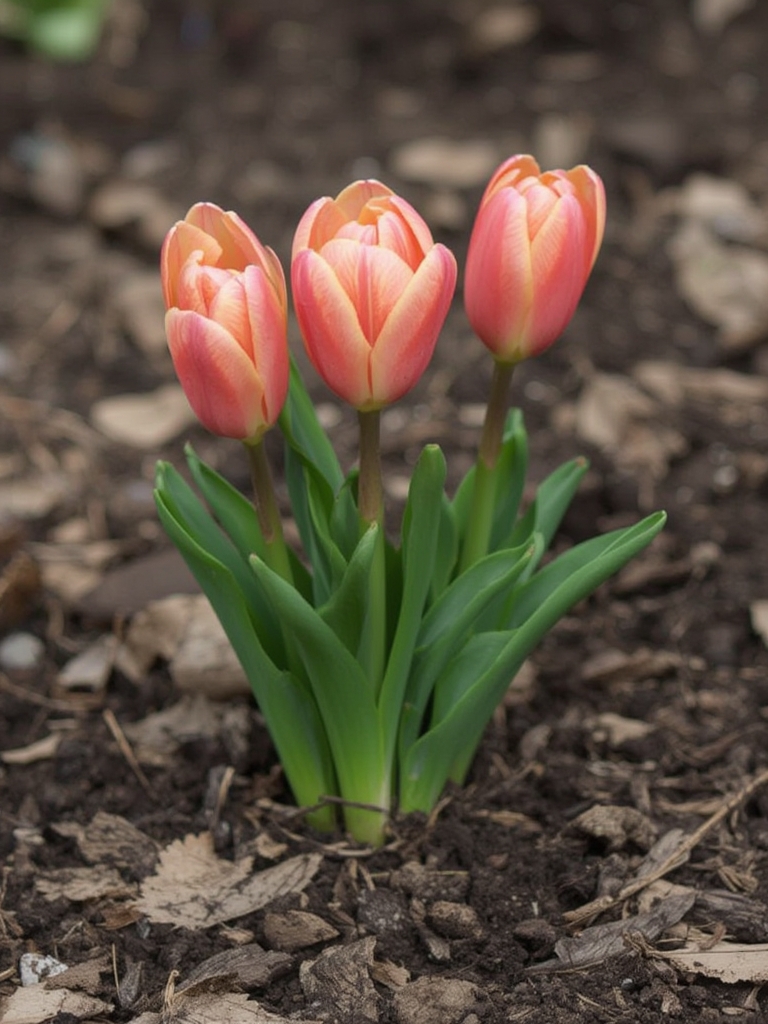
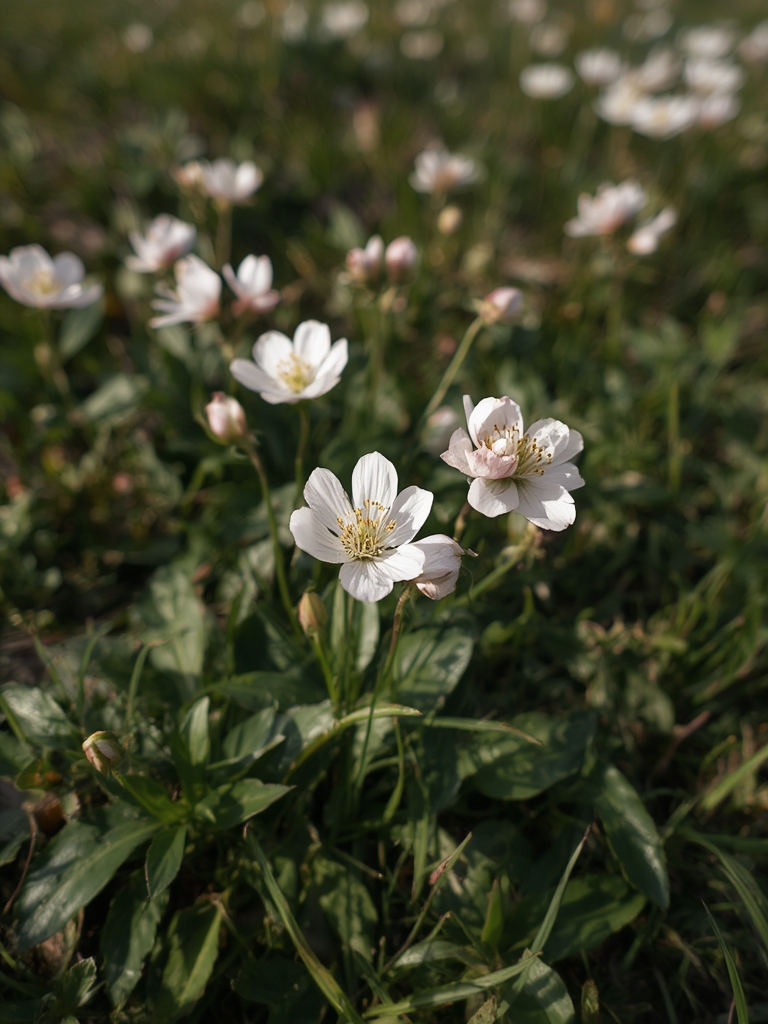
Best 10 Flowers for the First Part of the Year (January–March)
Best 10 Flowers for the First Part of the Year (January–March)
Welcome, fellow garden enthusiasts! As the chill of winter still lingers, many of us find ourselves dreaming of vibrant blooms and the joyous colors of spring. But what if I told you that your garden doesn’t have to wait for warmer days to burst into life? The truth is, some of nature’s most resilient and beautiful plants are ready to dazzle us with their charm right at the start of the year.
This guide is your passport to transforming your winter-weary garden into a captivating display of early year flowers. From the delicate snowdrops pushing through icy soil in January to the cheerful daffodils heralding the arrival of March, we’ll explore the best floral heroes that thrive in the first quarter. Get ready to discover the secrets to a garden that never truly sleeps, filled with enchanting january flowers, spirited February beauties, and the first blush of spring in March. We’ll cover essential tools, a detailed checklist of our top 10 picks, crucial care tips, common mistakes to avoid, and how to prepare your garden for the seasons ahead. Let’s make this year your most colorful gardening year yet!
Tools & Tasks for This Season
Even when the weather is brisk, a gardener’s work is never truly done. Having the right tools at hand makes all the difference, especially when coaxing life out of the colder months. Here’s what you’ll need and the general tasks to get your early year flowers off to a fantastic start.
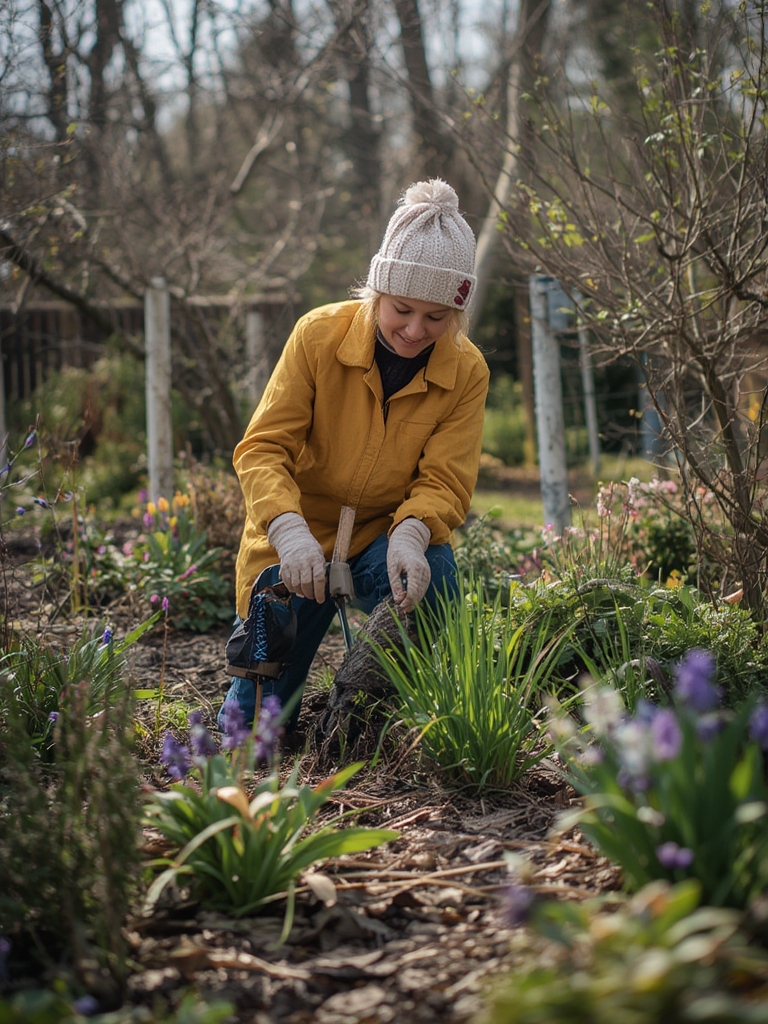
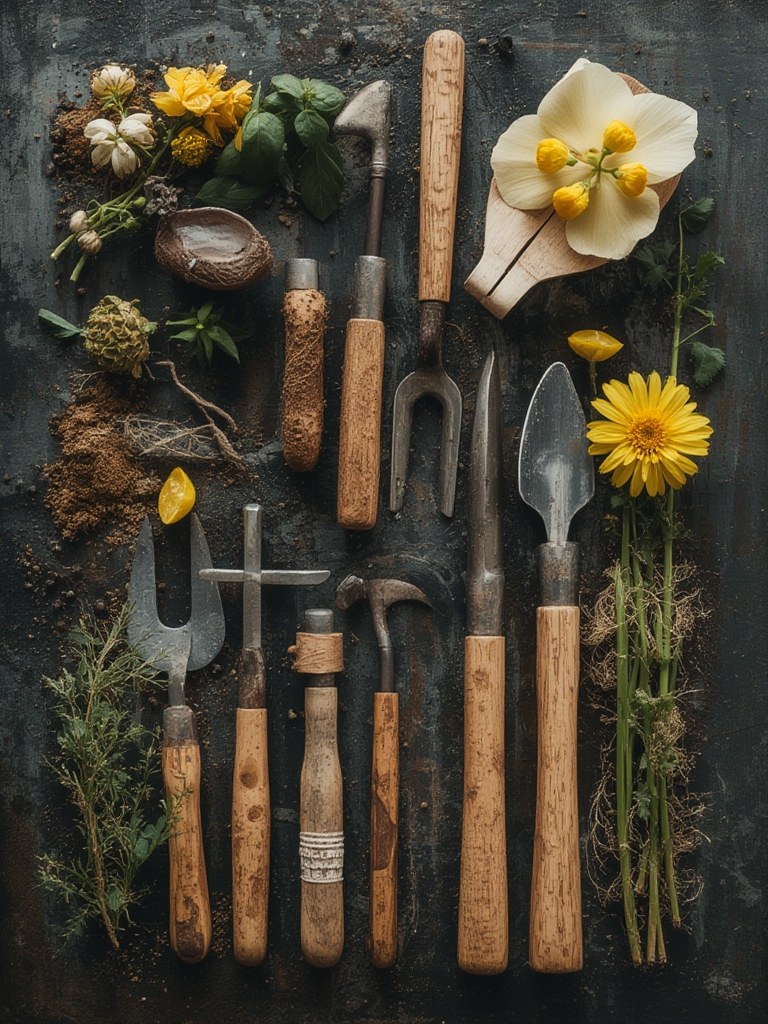 Bringing life to your garden with vibrant early year flowers.
Essential Gardening Tools:
- Hand Trowel: Perfect for planting small bulbs and bedding plants.
- Gardening Gloves: Protect your hands from cold and dirt.
- Small Fork/Cultivator: For loosening soil and incorporating compost.
- Pruning Shears: Essential for tidying up dormant plants and deadheading early blooms.
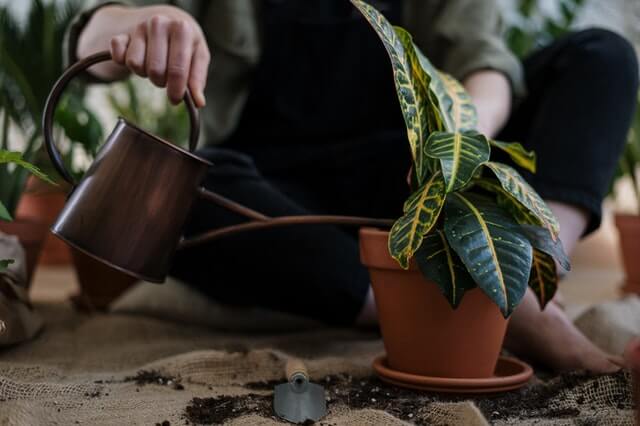
- Watering Can: For precise watering, especially for potted plants or newly planted areas.
- Mulch: Straw, bark chips, or compost to insulate soil and retain moisture.
- Frost Fleece/Cloches: For protecting tender plants from unexpected cold snaps.
- Labels: To keep track of what you’ve planted where!
Key Tasks for January–March:
- Soil Preparation: Ensure your soil is well-drained. If planting new beds, amend heavy clay soils with organic matter like compost to improve drainage and aeration.
- Bulb Planting (for Spring blooms): While many spring bulbs are planted in autumn, some can be planted in early winter in milder climates, or purchased “in the green” (already sprouted) in late winter/early spring.
- Protection: Keep an eye on weather forecasts. Be ready to protect any emerging shoots or tender plants from hard frosts with horticultural fleece.
- Weeding: Even in colder months, persistent weeds can pop up. Nip them in the bud while they’re small.
- Watering: Outdoor plants generally need less water in winter, but potted plants can dry out quickly, especially if sheltered from rain. Check soil moisture regularly.
- Planning: This is an excellent time to sketch out your garden plans for the year, considering where your early year flowers will fit into the bigger picture.
Seasonal Gardening Checklist: Top 10 Early Year Flowers
Get ready to infuse your garden with color and cheer! Here are our top 10 picks for early year flowers that will bring joy from January through March.
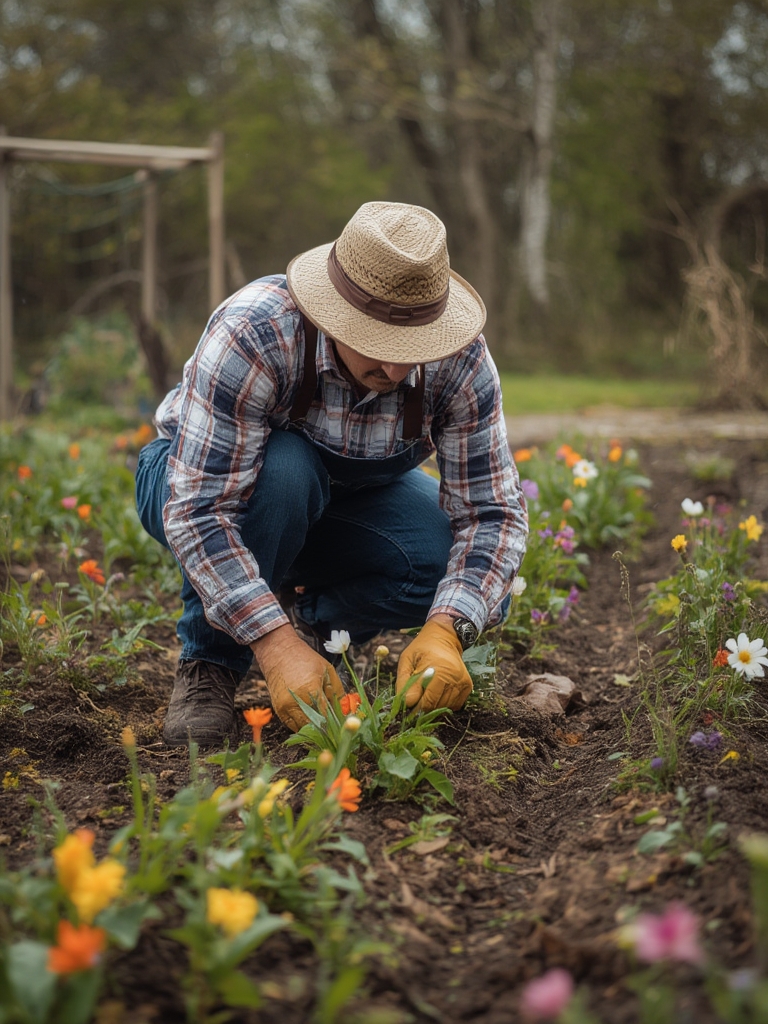
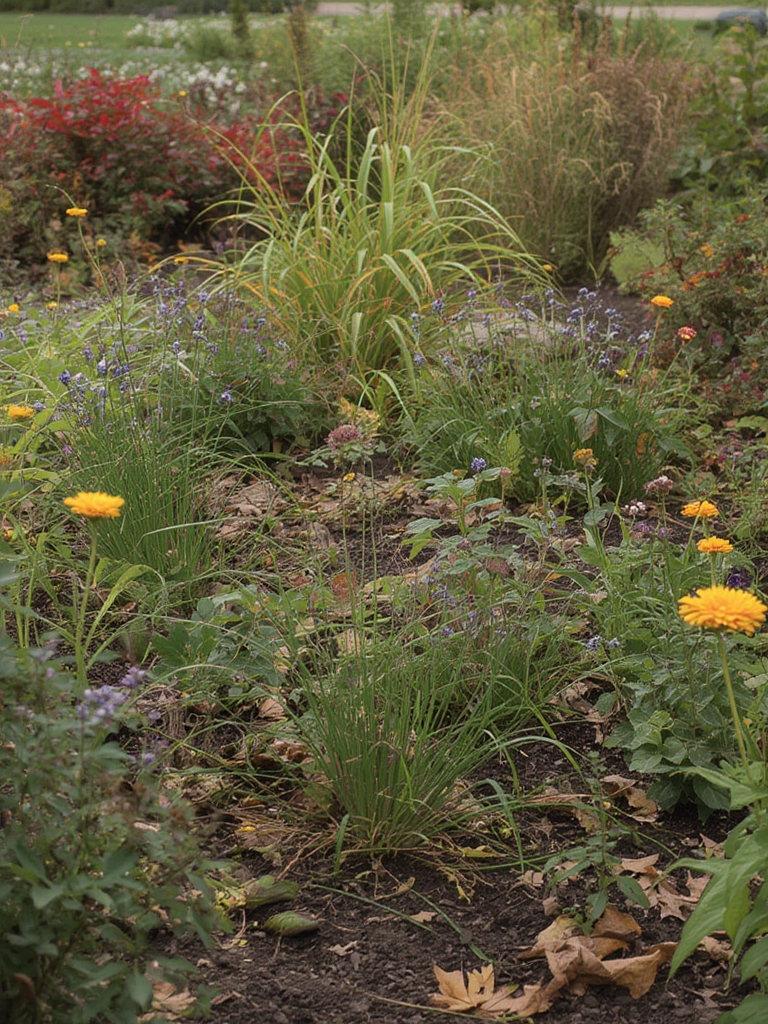
A step-by-step guide to nurturing your early year flowers.
1. Snowdrops (Galanthus)
- Bloom Time: January – February
- Why We Love Them: These tiny, pristine white bells are the true harbingers of spring, often pushing through snow-covered ground. They naturalize beautifully under deciduous trees.
- Care Tip: Plant “in the green” (while still leafy after flowering) for best results. They prefer moist, well-drained soil in partial shade.
2. Winter Aconite (Eranthis hyemalis)
- Bloom Time: January – February
- Why We Love Them: Cheerful, buttercup-yellow flowers surrounded by a frilly green collar. They create a golden carpet, especially when naturalized in woodlands or rock gardens.
- Care Tip: Plant tubers in late summer/early autumn in moist, humus-rich soil under deciduous trees. They can be tricky to establish but are worth the effort.
3. Hellebores (Helleborus orientalis, H. niger)
- Bloom Time: January – March (depending on variety, often earlier)
- Why We Love Them: Also known as Christmas Rose or Lenten Rose, hellebores offer elegant, cup-shaped flowers in shades of white, pink, purple, and green. They’re incredibly resilient and long-lasting.
- Care Tip: Plant in partial to full shade with rich, well-drained soil. Remove old, tatty leaves in late winter to showcase the emerging blooms.
4. Crocus (Crocus vernus, C. tommasinianus)
- Bloom Time: February – March
- Why We Love Them: Bright, jewel-toned cups that emerge from lawns, borders, and pots. They come in a rainbow of colors and are vital early food sources for pollinators.
- Care Tip: Plant corms in autumn in full sun to partial shade in well-drained soil. They naturalize easily and can even be grown in lawns.
5. Daffodils (Narcissus – early varieties like ‘Tête-à-tête’)
- Bloom Time: February – March
- Why We Love Them: The ultimate symbol of spring, early varieties of daffodils bring a burst of sunny yellow or white. ‘Tête-à-tête’ is particularly good for pots and borders due to its compact size.
- Care Tip: Plant bulbs in autumn in well-drained soil in a sunny spot. Let the foliage die back naturally after flowering to ensure energy is stored for next year’s blooms.
6. Hyacinths (Hyacinthus orientalis)
- Bloom Time: February – March
- Why We Love Them: Their intensely fragrant, densely packed flower spikes are available in a stunning array of colors, from vibrant blues and purples to soft pinks and whites. Perfect for pots near a doorway.
- Care Tip: Plant bulbs in autumn in fertile, well-drained soil in full sun or partial shade. Can be forced indoors for very early blooms, then planted outside.
7. Pansies & Violas (Viola x wittrockiana, Viola cornuta)
- Bloom Time: Late Winter – Early Spring (can flower year-round in mild climates)
- Why We Love Them: These cheerful annuals offer a multitude of colors and patterns, often with charming ‘faces’. They are incredibly hardy and can tolerate light frosts, providing continuous color.
- Care Tip: Plant in fertile, well-drained soil in full sun to partial shade. Deadhead regularly to encourage more blooms. They are excellent for containers, window boxes, and borders.
8. Primroses (Primula vulgaris)
- Bloom Time: February – March
- Why We Love Them: Classic cottage garden favorites, wild primroses offer delicate pale yellow flowers. Cultivated varieties come in a kaleidoscope of colors. They are wonderfully resilient.
- Care Tip: Plant in moist, humus-rich soil in partial shade. They thrive in woodland settings and naturalize well. Deadhead faded flowers to encourage new ones.
9. Winter Heath (Erica carnea)
- Bloom Time: January – March
- Why We Love Them: A fantastic evergreen shrub that provides continuous color during the coldest months. Its tiny, bell-shaped flowers range from white to pink and purple, attracting early pollinators.
- Care Tip: Unlike many heaths, Erica carnea tolerates alkaline soil, though it prefers slightly acidic to neutral. Plant in full sun to partial shade in well-drained soil. Trim lightly after flowering to maintain shape.
10. Camellias (Camellia japonica, early varieties)
- Bloom Time: Late Winter – Early Spring
- Why We Love Them: For a touch of evergreen grandeur, early-flowering Camellias offer stunning, formal blooms in shades of white, pink, and red. Their glossy foliage provides structure year-round.
- Care Tip: Plant in a sheltered spot, ideally with morning sun and afternoon shade, and protect from strong winds. They prefer acidic, well-drained soil. Water consistently, especially in dry spells.
Planting, Pruning & Maintenance Tips for Winter Spring Blooms
Nurturing your early year flowers requires a thoughtful approach, balancing their needs with the unpredictable nature of late winter and early spring weather.
Smart Planting Strategies:
- Timing is Key: For bulbs like Crocus and Daffodils, autumn planting (September-November) is ideal. However, for Hellebores, Pansies, Primroses, and pre-sprouted bulbs (“in the green”), planting in late winter/early spring is perfectly acceptable.
- Location, Location, Location: Choose sheltered spots for more tender plants to protect them from harsh winds. South or west-facing walls can offer warmth. Consider the mature size and light requirements of each plant.
- Layering for Impact: Create a layered effect in your beds or containers. Taller shrubs like Camellias at the back, followed by mid-height Hellebores, and then lower-growing Snowdrops or Crocus at the front for a continuous display.
Pruning and Deadheading:
- Hellebores: Remove old, tattered leaves in late winter before the flowers fully emerge. This helps prevent fungal diseases and makes the blooms more visible.
- Pansies/Violas: Regularly deadhead (remove spent flowers) to encourage continuous blooming. If they become leggy, a light trim can rejuvenate them.
- Winter Heath (Erica carnea): Prune lightly after flowering to maintain a compact shape and encourage denser growth.
- Daffodils: Allow the foliage to die back naturally (usually 6-8 weeks after flowering). Do not cut or tie up the leaves prematurely, as they are crucial for photosynthesizing and storing energy for next year’s blooms.
Watering and Feeding:
- Watering: While plants generally need less water in winter, keep an eye on rainfall. If you have a prolonged dry spell, particularly with potted plants or newly planted areas, provide supplemental water. Ensure good drainage to prevent waterlogging, which can cause bulbs to rot.
- Feeding: Most early year flowers, especially bulbs, don’t require heavy feeding during their bloom period if the soil was prepared well. For bedding plants like Pansies, a dilute, balanced liquid feed every few weeks can promote more prolific flowering. Add a layer of compost or well-rotted manure around established perennials in late winter.
Frost Protection:
- Cover Up: For periods of hard frost, cover more tender plants like Camellias or even potted Pansies with horticultural fleece or an old blanket overnight.
- Bring Indoors (Pots): If you have potted plants that are particularly vulnerable, moving them to a sheltered porch, unheated greenhouse, or even indoors temporarily can save them.
- Mulch: A generous layer of mulch around the base of plants helps insulate the soil and protect roots from extreme temperature fluctuations.
Season-Specific Mistakes to Avoid
Gardening in the early year has its unique challenges. Being aware of common pitfalls can save you a lot of heartache and ensure your early year flowers thrive.
- Overwatering: Cold, wet soil is a recipe for root rot, especially for bulbs. Plants are often dormant or semi-dormant in winter and don’t require as much water as in warmer months. Always check the soil moisture before watering.
- Planting Too Early Without Protection: While some plants are hardy, an unexpected late frost can severely damage young shoots or newly planted tender varieties. Always check your local forecast and have frost protection ready.
- Cutting Back Foliage Prematurely: This is a big one for spring-flowering bulbs like daffodils. The leaves photosynthesize and store energy in the bulb for next year’s blooms. Cutting them back before they’ve naturally yellowed and withered significantly weakens the bulb. Patience is key!
- Ignoring Soil Drainage: Poor drainage is detrimental to almost all plants, but especially those trying to survive cold, wet conditions. Amend heavy clay soils with organic matter to improve aeration and prevent waterlogging.
- Not Planning for Successive Blooms: While focusing on january flowers and february flowers, don’t forget to consider what will bloom next. Plan for a continuous display by layering plants with different bloom times.
- Underestimating Winter Winds: Even if the temperature isn’t extremely low, harsh winter winds can desiccate evergreen foliage and damage tender stems. Plant vulnerable species in sheltered locations.
Preparation for Next Season (and Beyond!)
Gardening is a continuous cycle. Even as you enjoy your current early year flowers, it’s wise to start thinking ahead.
- Take Notes: Keep a garden journal. Note down what thrived, what struggled, and what changes you’d like to make. Which march flowers performed best? Where did the snowdrops look most impactful?
- Order Bulbs for Autumn Planting: Many of the bulbs for next year’s winter spring blooms need to be ordered and planted in the autumn. Get ahead by researching new varieties or restocking your favorites now.
- Compost: Continue adding kitchen scraps and garden waste to your compost pile. Good compost is gold for your garden, improving soil structure and fertility for future plantings.
- Clean and Sharpen Tools: As you use your tools, make sure to clean and sharpen them before storing. Well-maintained tools make gardening easier and more enjoyable.
- Assess Hardiness Zones: Re-evaluate your garden’s microclimates. Did a plant struggle in a spot you thought was sheltered? Consider moving it or choosing a hardier alternative next year.
- Learn and Adapt: Every season teaches us something new. Embrace the learning process and adapt your techniques based on your experiences and observations.
Conclusion
The first part of the year, far from being a dormant period, offers a unique opportunity to experience the earliest whispers of spring. By embracing the beauty and resilience of early year flowers, you can transform your garden into a beacon of hope and color, even on the coldest days. From the quiet charm of snowdrops to the cheerful exuberance of crocuses and daffodils, these plants remind us that beauty can emerge from dormancy, and life always finds a way.
We hope this guide has inspired you to step out into your garden, armed with new knowledge and a sense of excitement. Remember, every bloom is a testament to your care and dedication. So, go forth and cultivate your own vibrant display of winter spring blooms, and revel in the anticipation of the gardening year ahead. Happy gardening!
FAQs About Early Year Flowers
Q1: When is the best time to plant early year flowers?
A1: For most spring-flowering bulbs like crocuses and daffodils, the best time to plant is in autumn (September to November) before the ground freezes. However, many early year flowers like hellebores, pansies, and primroses can be planted in late winter or early spring, especially if purchased as potted plants. Snowdrops are often best planted “in the green” (while still leafy after flowering) in late winter.
Q2: How do I protect my winter spring blooms from frost?
A2: For sudden hard frosts, you can cover tender plants with horticultural fleece, burlap, or even an old bedsheet overnight. Mulching around the base of plants helps insulate the roots. For potted plants, moving them to a sheltered location like a porch or unheated shed can provide sufficient protection.
Q3: Can I grow these early year flowers in pots?
A3: Absolutely! Many early year flowers thrive in containers. Pansies, violas, hyacinths, early daffodils like ‘Tête-à-tête’, and crocuses are excellent choices for pots, window boxes, and hanging baskets. Ensure your containers have good drainage holes.
Q4: What should I do after my march flowers have finished blooming?
A4: For bulbs, allow the foliage to die back naturally (yellow and wither) before removing it. This allows the plant to store energy in the bulb for next year. For annuals like pansies, deadhead regularly to encourage more blooms, and consider replacing them with summer-flowering plants once temperatures consistently rise. For perennials like hellebores, remove spent flower stalks and trim any old or damaged leaves.
Q5: Are there any low-maintenance early year flowers for beginners?
A5: Yes! Snowdrops, crocuses, daffodils (especially ‘Tête-à-tête’), and hellebores are all relatively low-maintenance once established. Pansies and violas are also very forgiving and provide continuous color with minimal effort, mainly just regular deadheading. Choosing plants suited to your local climate and soil type is key to an easy-care garden.