Best Garden Trowels: Ergonomic Hand Tool Reviews
Best Garden Trowels: Ergonomic Hand Tool Reviews
Every gardener knows that the right tools can transform hours of back-breaking work into a joyful, meditative experience. And when it comes to the bedrock of gardening, the humble trowel often gets overlooked. Yet, this essential hand tool is your constant companion for everything from planting delicate seedlings to tackling stubborn weeds. Choosing the right one isn’t just about efficiency; it’s about comfort, longevity, and protecting your hands and wrists.
As an expert gardener and tool reviewer, I understand the critical difference a well-designed trowel makes. This article dives deep into the world of best garden trowels, focusing on what truly separates the exceptional from the merely adequate. We’ll explore ergonomic designs, durable materials, and features that make a real impact on your gardening tasks, ensuring you find a tool that feels like an extension of your own hand.
Tool Overview & Key Features
A superior garden trowel goes beyond a simple scoop. It’s a marvel of engineering designed for specific tasks and user comfort. When evaluating the best garden trowels, we look for several key features:
- Ergonomic Handle Design: This is paramount. A good handle fits comfortably in your grip, reducing strain and fatigue. Materials like contoured rubber, cork, or even specialized plastics provide superior grip, especially when wet or muddy.
- Blade Material & Durability: Stainless steel is highly favored for its rust resistance and strength. Carbon steel offers excellent sharpness and durability but requires more diligent cleaning to prevent rust. Cast aluminum is lightweight and surprisingly robust.
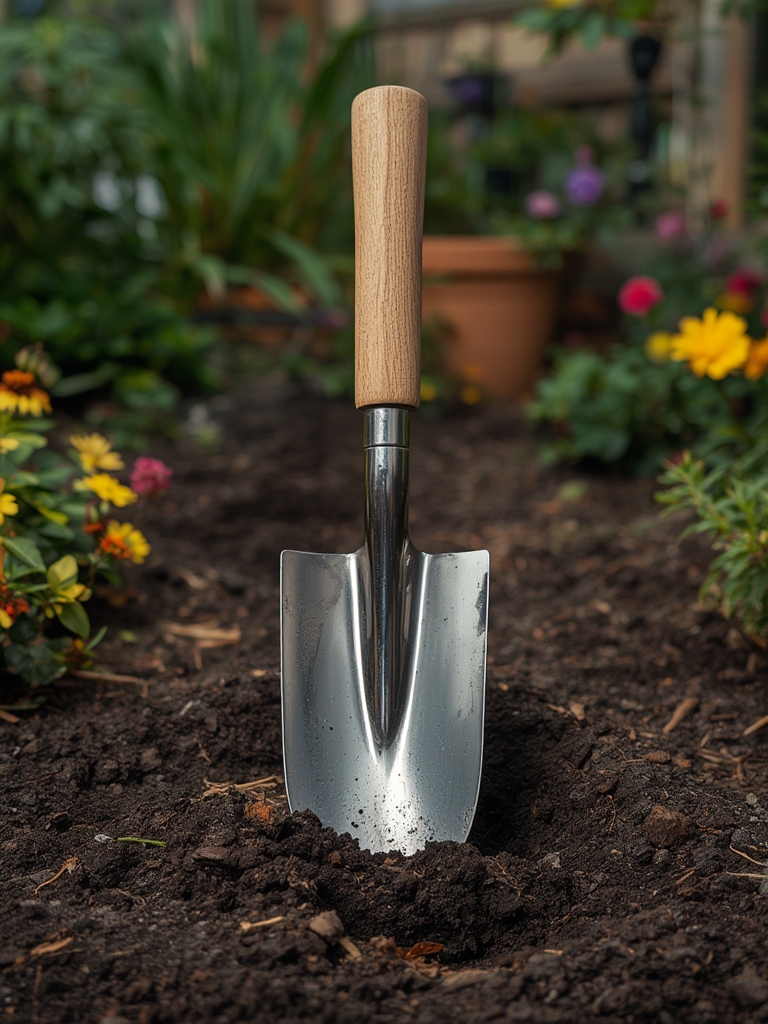
- Blade Shape: Different shapes serve different purposes. A narrow, pointed blade is excellent for digging deep or working in tight spaces, while a wider, dished blade is perfect for scooping and transplanting.
- Tang Construction: The “tang” is how the blade connects to the handle. A full-tang design, where the metal extends through the entire handle, offers superior strength and prevents the blade from bending or breaking off under stress.
- Measurement Markings: Some trowels include depth markings on the blade, a simple but incredibly useful feature for precise planting.
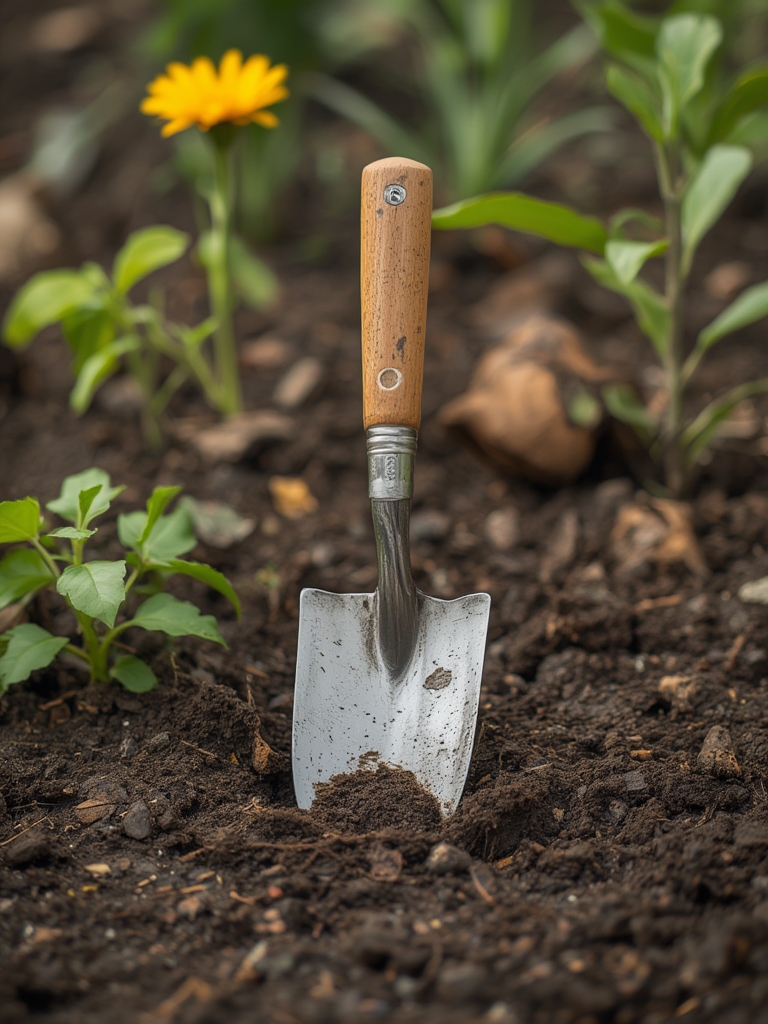
Pros & Cons of Quality Trowels
Investing in high-quality garden trowels brings numerous advantages, though there can be minor trade-offs.
Pros:
- Reduced Fatigue & Strain: Ergonomic designs prevent hand cramps, blisters, and repetitive strain injuries, allowing you to garden longer and more comfortably.
- Superior Durability: Strong materials and robust construction mean these tools withstand heavy use, resisting bending, breaking, and rust. This leads to a longer lifespan and less frequent replacements.
- Enhanced Efficiency: Sharp, well-shaped blades cut through soil effortlessly, making digging, planting, and weeding quicker and less strenuous.
- Better Performance: A quality trowel performs consistently across various soil types and conditions.
Cons:
- Higher Initial Cost: Premium trowels typically cost more than their budget counterparts.
- Potentially Heavier: Some heavy-duty models, especially those with full-tang construction, might be slightly heavier, which could be a factor for gardeners with very limited hand strength.
Performance & Use Cases
The true test of the best garden trowels lies in their performance across diverse gardening tasks. An exceptional trowel excels in:
- Planting: Creating perfectly sized holes for bulbs, annuals, and small perennials with minimal effort. Depth markings ensure consistent planting.
- Weeding: Slipping effortlessly under weeds to extract them root and all, minimizing soil disturbance. Pointed blades are particularly effective here.
- Transplanting: Gently scooping plants from pots or seed trays without damaging delicate root systems.
- Mixing & Aerating Soil: Efficiently incorporating compost or fertilizer into garden beds.
A well-balanced trowel makes these tasks feel less like chores and more like a fluid extension of your gardening passion. The right trowel quality ergonomic gardening hand tools improve accuracy and reduce physical strain significantly.
Comparison or Alternatives
While the traditional trowel is irreplaceable, understanding its variations can help you choose wisely. Beyond material differences (stainless steel vs. carbon steel vs. aluminum), consider handle materials like:
- Rubberized Grips: Excellent for comfort and non-slip handling, even with wet hands.
- Cork Handles: Lightweight, comfortable, and provide a natural, warm feel.
- Hardwood Handles: Classic and durable, often developing a beautiful patina over time, but can be less ergonomic without shaping.
Some specialized trowels, like planting trowels with narrow blades, or soil scoops with wider, deeper heads, offer slight variations for specific jobs, but a good general-purpose trowel remains the go-to for most gardeners. For heavier digging, you might complement it with a hand spade.
Who This Tool Is For
The best garden trowels are for every gardener.
- Beginners: Start with a quality tool to prevent frustration and injury, fostering a positive gardening experience from the outset.
- Experienced Gardeners: Upgrade to tools that stand the test of time and provide superior comfort during long gardening sessions.
- Gardeners with Joint Pain/Arthritis: Ergonomic designs are critical for minimizing stress on hands, wrists, and arms.
- Anyone Who Values Durability: If you’re tired of flimsy tools that bend or break, investing in a robust trowel is a smart choice.
A well-chosen trowel makes gardening accessible and enjoyable for everyone, regardless of skill level or physical strength.
Maintenance & Safety Tips
To ensure your trowel quality ergonomic gardening hand tools last for years and remain safe to use, follow these simple tips:
- Clean After Each Use: Rinse off soil and debris, especially from carbon steel blades to prevent rust.
- Dry Thoroughly: Before storing, ensure the trowel is completely dry to prevent rust and mildew on handles.
- Sharpen Periodically (if applicable): While trowel blades aren’t typically sharpened like pruners, removing burrs or slight dullness can improve performance.
- Store Properly: Hang your trowel in a dry shed or garage. Avoid leaving it exposed to the elements.
- Always Use with Caution: Blades can be sharp. Wear appropriate gardening gloves (like those reviewed on Gardener’s Daily Care) and be mindful of your fingers and surroundings. Never use a trowel as a lever for heavy objects. For heavier tasks, consider using a sturdier tool like a spade, similar to how you wouldn’t use a hedge trimmer for detailed pruning (Gardener’s World Best Hedge Trimmers).
Final Verdict
Choosing among the best garden trowels is an investment in your gardening pleasure and success. An ergonomic, durable trowel minimizes strain, maximizes efficiency, and significantly enhances your connection to the soil. Don’t underestimate the power of this humble tool; equip yourself with one that truly supports your passion. Prioritize comfort, robust construction, and materials that withstand the test of time, and you’ll find a gardening partner for years to come.
FAQs
Q1: What is the most durable material for a garden trowel?
A1: Stainless steel is generally considered the most durable due to its strength and excellent rust resistance. Cast aluminum is also very durable and lightweight.
Q2: Why are ergonomic handles important for trowels?
A2: Ergonomic handles are crucial because they reduce strain on your hands and wrists, prevent fatigue, and minimize the risk of repetitive strain injuries, allowing for more comfortable and longer gardening sessions.
Q3: How do I prevent my trowel from rusting?
A3: To prevent rust, especially with carbon steel trowels, clean off all soil and debris immediately after use and dry the blade thoroughly before storing it in a dry place.
Q4: Can I use a garden trowel for heavy digging?
A4: While a quality trowel is sturdy, it’s designed for light to medium digging tasks. For very heavy digging or breaking up compacted soil, a spade or digging fork would be more appropriate and prevent damage to your trowel.
Q5: What’s the difference between a planting trowel and a standard garden trowel?
A5: A planting trowel typically has a narrower, sometimes longer blade, often with depth markings, making it ideal for creating precise holes for bulbs or seedlings. A standard garden trowel usually has a wider, more dished blade suitable for general digging, scooping, and transplanting.