Best Loppers: Heavy-Duty Pruning Tools for Thick Branches
Best Loppers: Heavy-Duty Pruning Tools for Thick Branches
Every seasoned gardener understands the challenge of maintaining a vibrant, healthy garden. While hand pruners handle the delicate work, and pruning saws tackle the thickest limbs, there’s a vital gap in between that demands a specific tool. This is where best loppers pruning tools shine, offering the leverage and power needed to effortlessly manage those stubborn, medium-to-thick branches that common shears simply cannot conquer.
As an experienced gardening tool reviewer and SEO expert dedicated to providing reliable, expert insights, this guide will delve deep into the world of heavy-duty loppers. We’ll explore their essential features, performance capabilities, and what makes them an indispensable addition to your gardening arsenal. Prepare to transform your pruning tasks with the right knowledge and the perfect tool.
Tool Overview & Key Features
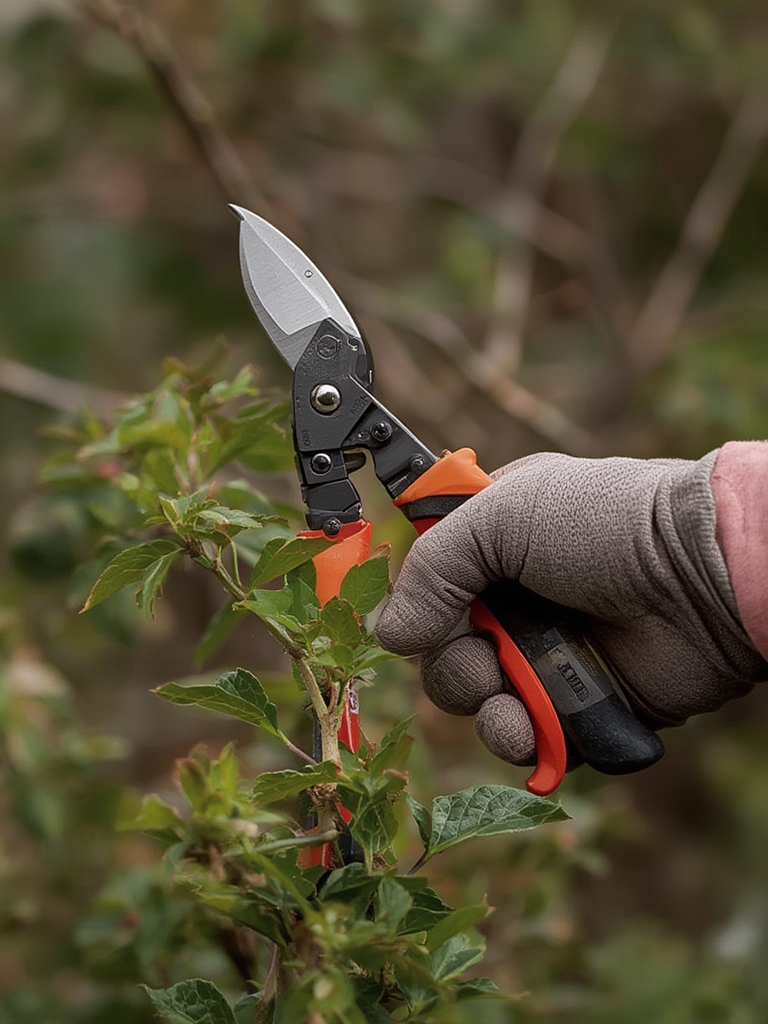
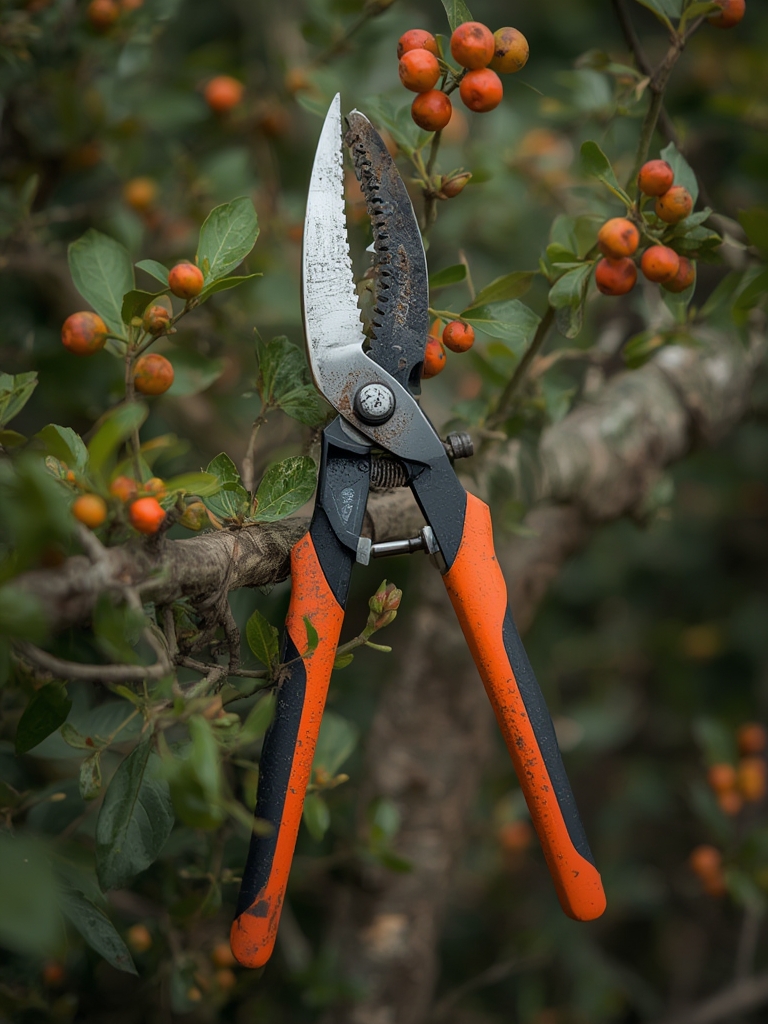
Loppers are essentially oversized bypass or anvil pruners, designed with long handles to provide maximum leverage. They are engineered to cut through woody stems and branches that are too large for hand pruners but not quite thick enough to warrant a pruning saw. The best heavy-duty models are not just about raw power; they combine thoughtful design with durable materials for optimal performance.
Here are the key features to consider when selecting your next pair of loppers:
- Blade Type:
- Bypass Blades: These feature two blades that “bypass” each other, much like a pair of scissors. They make clean, precise cuts, ideal for live wood and promoting healthy plant growth. Most professional gardeners prefer bypass loppers for their accuracy.
- Anvil Blades: Anvil loppers have a single sharp blade that closes onto a flat “anvil” surface. They are excellent for cutting through dead or dried-out wood, as they can crush and split rather than slice. While powerful, they can be less precise.
- Handle Length and Material: Longer handles provide greater leverage, reducing the effort required to make cuts. Standard lengths range from 15 to 30 inches, with some extending up to 36 inches or more. Materials like fiberglass, aluminum, or steel offer durability and varying weights.
- Cutting Capacity: This indicates the maximum branch diameter the loppers can effectively cut. Heavy-duty models typically handle branches from 1.5 to 2.5 inches, with some specialized tools reaching up to 3 inches.
- Gear Mechanisms & Power-Assisting Features: Many modern loppers incorporate gearing systems, compound action, or ratchet mechanisms. These innovations multiply your hand’s force, making cutting thicker branches significantly easier and reducing strain.
- Ergonomics and Grip: Cushioned, non-slip grips are crucial for comfort during extended use. The overall balance and weight of the loppers also contribute to user fatigue, so testing them if possible is highly recommended.
Pros & Cons
Understanding the advantages and limitations of heavy-duty loppers helps you make an informed decision for your garden tasks.
Pros:
- Superior Power: Designed to slice through branches up to 2.5 inches thick with relative ease, far surpassing hand pruners.
- Extended Reach: Long handles allow you to access branches deeper within shrubs or higher on small trees without a ladder.
- Reduced Strain: The leverage provided by long handles and power-assisting mechanisms significantly reduces the physical effort and strain on your hands and wrists compared to forcing smaller tools.
- Efficiency: Makes quick work of clearing overgrown areas, improving productivity in the garden.
- Clean Cuts: Bypass loppers, in particular, deliver clean cuts essential for plant health and rapid healing.
Cons:
- Bulkier and Heavier: Their size and robust construction make them less maneuverable for delicate pruning tasks and can be tiring to use over long periods.
- Not for Fine Work: The sheer power and size are overkill for small twigs and flowers, where a hand pruner is more appropriate.
- Limited Reach (Compared to Saws): While offering extended reach, they cannot compete with pole saws or standard pruning saws for very high or extremely thick branches.
Performance & Use Cases
The performance of best loppers pruning tools is best observed when tackling medium-sized woody growth. They excel at:
- Tree Pruning: Shaping young trees, removing suckers, or eliminating crossing branches up to their maximum cutting capacity.
- Shrub Maintenance: Reducing the size of overgrown shrubs, deadheading large flowering bushes, or rejuvenating older plants by removing thick, old growth.
- Clearing Overgrown Areas: Quickly cutting back brambles, thick weeds, and thorny bushes.
- Orchard Management: Maintaining fruit trees by removing water sprouts and unwanted branches.
For optimal performance, always ensure your lopper blades are sharp and clean. Dull blades will crush rather than cut, damaging the plant and requiring more effort.
Comparison or Alternatives
While loppers are indispensable, they are part of a larger pruning toolkit, each designed for specific tasks.
- Hand Pruners: For small stems, flowers, and delicate work (typically up to 0.75 inches). These are your go-to for precision.
- Pruning Saws: Essential for branches exceeding the lopper’s capacity (typically 2 inches and above). Saws offer more aggressive cutting for larger, mature wood.
- Hedge Trimmers: Designed for shaping and maintaining hedges, they are a completely different tool with multiple blades for repetitive cutting. For specific tasks like shaping hedges, you might refer to lopper reviews cutting thick branches for alternatives that focus on power and precision for broader areas.
Loppers occupy the crucial middle ground, making them the most versatile option for general garden pruning where branches aren’t too thin or excessively thick.
Who This Tool Is For
Heavy-duty loppers are ideal for:
- Homeowners with Established Gardens: If your garden includes mature shrubs, small trees, or perennial woody plants, loppers are a must-have.
- Gardeners Battling Overgrowth: Anyone needing to clear thickets, invasive vines, or dense undergrowth will appreciate the leverage and power.
- Individuals Seeking Efficiency: If you want to prune effectively without excessive strain or multiple passes with a smaller tool.
- Those Prioritizing Plant Health: Bypass loppers ensure clean cuts, which are vital for quick healing and preventing disease.
Maintenance & Safety Tips
Proper care and safe usage extend the life of your loppers and protect you.
Maintenance:
- Clean After Each Use: Remove sap, dirt, and debris using a stiff brush or cloth. A little rubbing alcohol can dissolve stubborn sap.
- Sharpen Blades Regularly: Dull blades cause ragged cuts and require more effort. Use a sharpening stone or diamond file at the original blade angle.
- Lubricate Moving Parts: Apply a few drops of lubricating oil (like 3-in-1 oil or WD-40) to the pivot point and blade surfaces to prevent rust and ensure smooth action.
- Store Properly: Keep loppers in a dry place, preferably hanging, to prevent moisture accumulation and rust.
Safety Tips:
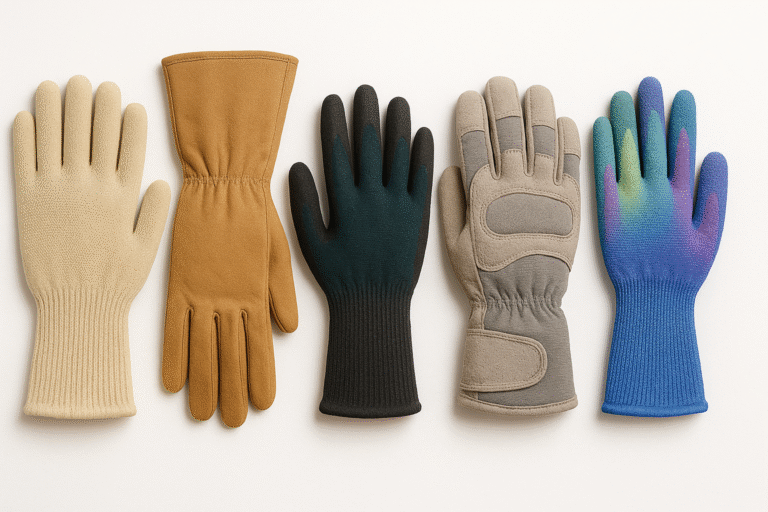
- Wear Protective Gear: Always wear sturdy best loppers pruning tools-appropriate gardening gloves to protect your hands, and safety glasses to shield your eyes from flying debris.
- Assess Your Cut: Before cutting, ensure the branch isn’t under tension that could cause it to snap back unexpectedly.
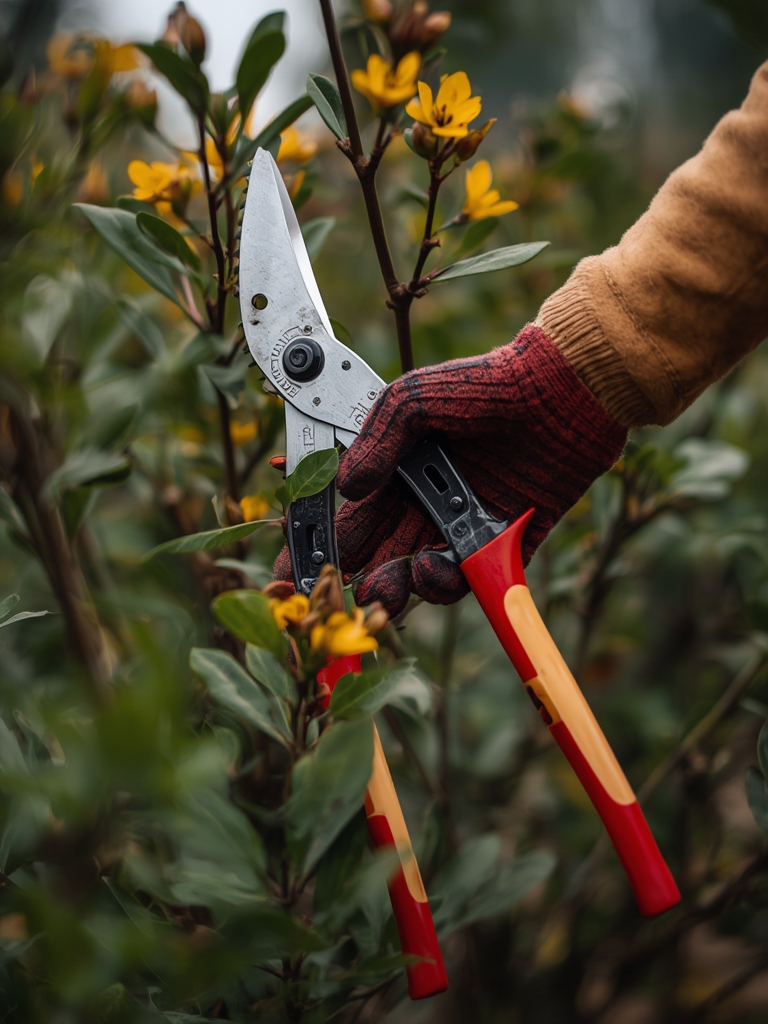
- Use Proper Technique: Position the branch deep into the blades, as close to the pivot as possible, for maximum leverage. Cut with a smooth, continuous motion.
- Be Aware of Surroundings: Ensure no one is near your cutting area, especially when branches might fall.
- Never Force a Cut: If a branch is too thick or difficult, switch to a pruning saw rather than risk damaging your loppers or injuring yourself.
Final Verdict
The selection of the best loppers pruning tools is a critical decision for any serious gardener. For efficient, clean, and less strenuous removal of medium to thick branches, heavy-duty loppers are an indispensable investment. By understanding the key features, advantages, and proper usage, you’re empowered to choose a tool that will not only simplify your pruning tasks but also contribute significantly to the health and aesthetics of your garden for years to come. Make the informed choice, and experience the satisfaction of a well-maintained garden with the right tool in hand.
FAQs
1. What’s the difference between bypass and anvil loppers?
Bypass loppers have two blades that pass each other, creating a clean, scissor-like cut ideal for live branches. Anvil loppers have one sharp blade that closes onto a flat surface, best suited for crushing through dead or dry wood.
2. How often should I sharpen my loppers?
It depends on usage, but typically, sharpening after every 5-10 hours of heavy use or at least once per season is recommended. You’ll notice they need sharpening when cuts become ragged or require excessive force.
3. Can loppers cut through all types of wood?
Loppers are designed for woody stems and branches within their specified cutting capacity. They are excellent for most deciduous and evergreen wood. However, very dense or extremely thick hardwoods might require a pruning saw.
4. What’s the ideal branch thickness for loppers?
Most heavy-duty loppers can comfortably cut branches between 1.5 and 2.5 inches in diameter. Always check the manufacturer’s specified cutting capacity for your particular model.
5. Are long-handled loppers always better?
Longer handles provide more leverage, making it easier to cut thicker branches and offering extended reach. However, they can be heavier and less maneuverable in tight spaces. Choose a handle length that balances leverage with your comfort and the specific tasks you’ll perform.