Best Soil Amendments for Gardens: Organic Options for Fertility & Structure
Best Soil Amendments for Gardens: Organic Options for Fertility & Structure
Are you dreaming of a thriving garden bursting with vibrant flowers and bountiful vegetables? The secret to achieving this horticultural bliss doesn't lie solely in your choice of plants, but deep within the very foundation of your garden: its soil. Healthy soil is the lifeblood of any successful garden, providing the essential nutrients, structure, and water retention plants need to flourish.
In the world of gardening, simply planting isn't enough. Over time, soil can become depleted, compacted, or imbalanced, hindering plant growth and making your gardening efforts feel like an uphill battle. This is where garden soil amendments products come into play – they are the essential tools for transforming tired earth into a fertile paradise.
As an experienced gardening reviewer and SEO expert, I'm here to guide you through the best organic garden soil amendments products available. This comprehensive review will help you understand their benefits, how to choose the right ones, and how to apply them for maximum impact, ensuring your garden reaches its full potential.
Garden Soil Amendments: Overview & Key Features
Garden soil amendments products are materials added to soil to improve its physical or chemical properties, or both. Unlike fertilizers, which primarily provide nutrients, amendments focus on improving the soil's structure, water retention, drainage, aeration, and microbial activity. They create a healthier environment for roots, leading to stronger, more resilient plants.
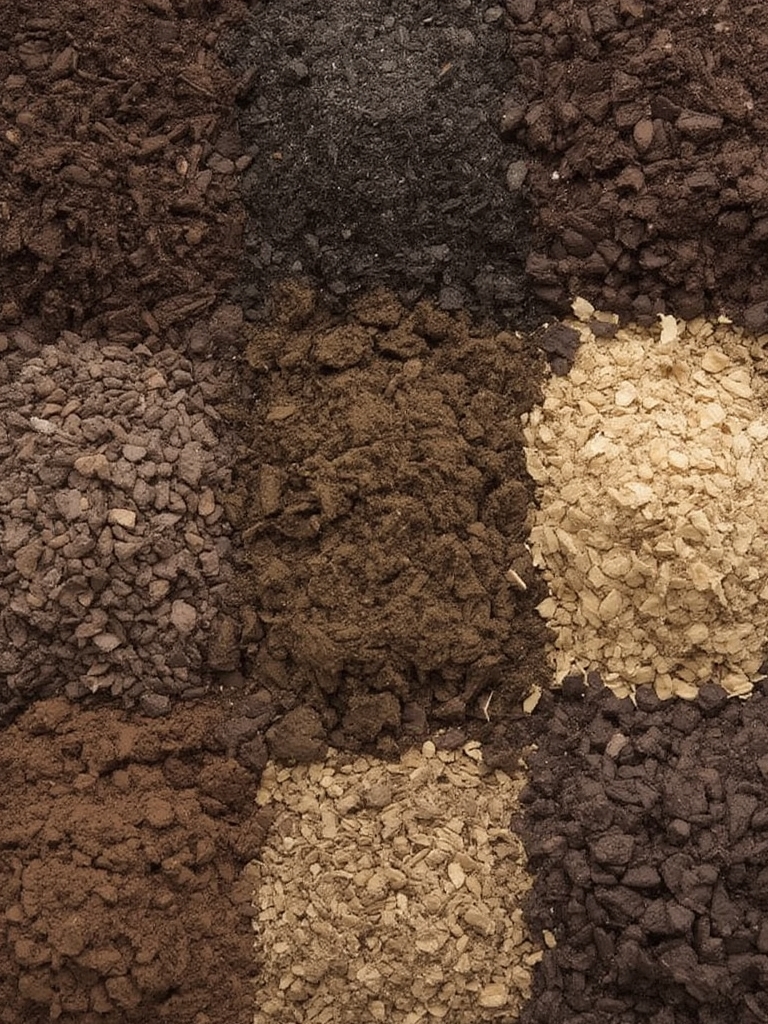
When considering organic garden soil amendments products, you'll encounter a variety of options, each with unique benefits:
- Compost: The "black gold" of gardening, compost is decomposed organic matter rich in nutrients and beneficial microbes. It improves almost all soil types.
- Aged Manure: Provides nitrogen, phosphorus, and potassium, along with organic matter to enhance soil structure. Always use well-aged manure to avoid burning plants.
- Worm Castings: Extremely rich in nutrients and beneficial microbes, worm castings are highly concentrated and gentle.
- Cover Crops: Plants grown specifically to improve soil health, then tilled into the soil. They add organic matter, prevent erosion, and fix nitrogen.
- Sphagnum Peat Moss / Coco Coir: Excellent for improving water retention in sandy soils and aeration in clay soils. Coco coir is a more sustainable alternative to peat.
- Perlite / Vermiculite: Lightweight, volcanic minerals that improve drainage and aeration, particularly useful in potting mixes. Vermiculite also retains water and nutrients.
- Bone Meal / Blood Meal: Organic sources of phosphorus (bone meal) and nitrogen (blood meal) for specific nutrient boosts.
- Greensand / Rock Phosphate: Mineral-based amendments providing potassium (greensand) and phosphorus (rock phosphate), also improving soil structure over time.

Key features to look for include the amendment's organic certification, its specific nutrient profile (if applicable), its suitability for your soil type, and the ease with which it can be incorporated into your existing garden beds or containers.
Pros & Cons of Using Soil Amendments
Integrating garden soil amendments products into your gardening routine offers numerous advantages, but it's also important to be aware of potential drawbacks.
Pros:
- Improved Soil Structure: Amendments like compost break up compacted clay and add body to sandy soil, creating an optimal environment for root growth.
- Enhanced Water Retention: Organic matter acts like a sponge, holding moisture in the root zone for longer, reducing the need for frequent watering.
- Better Drainage & Aeration: In heavy soils, amendments create pore spaces, allowing excess water to drain and air to reach roots, preventing waterlogging and rot.
- Increased Nutrient Availability: Organic amendments slowly release nutrients as they decompose, providing a steady supply for plants and fostering beneficial microbial activity.
- pH Balancing: Some amendments can help adjust soil pH, bringing it into the ideal range for your chosen plants.
- Sustainable & Eco-Friendly: Organic options reduce reliance on synthetic chemicals, promoting a healthier ecosystem for your garden and the planet.
Cons:
- Initial Cost & Effort: Good quality amendments can require an upfront investment, and incorporating them into large areas can be physically demanding.
- Specific Needs: Not all amendments are suitable for all soils or plants. Incorrect application or choice can be ineffective or even detrimental.
- Bulk & Storage: Many amendments come in large bags or bulk, requiring adequate storage space.
- Patience Required: The benefits of structural soil amendments build up over time; they're not a quick fix like synthetic fertilizers.
Performance & Use Cases
The performance of garden soil amendments products is directly tied to your specific soil type and gardening goals.
- For Sandy Soils: Focus on amendments that improve water and nutrient retention. Coco coir, sphagnum peat moss, and especially rich compost or well-rotted manure work wonders. They add organic matter, acting as sponges.
- For Clay Soils: Choose amendments that improve drainage and aeration. Coarse compost, gypsum (for breaking up sodic clay), and perlite can help create better soil structure, allowing roots to breathe and water to pass through.
- For Loamy Soils: These are already well-balanced, but a consistent application of best compost organic amendments gardening will maintain fertility and structure, ensuring continued success.
Common Use Cases:
- Building New Garden Beds: This is the ideal time to deeply amend your soil. Incorporate a generous layer of compost, aged manure, and potentially some mineral amendments into the top 6-12 inches.
- Revitalizing Existing Gardens: Top-dress with compost annually, or gently fork it into the top few inches around plants. Liquid amendments like worm casting tea can also provide a boost.
- Container Gardening & Potting Mixes: Use lightweight amendments like perlite, vermiculite, and coco coir to create well-draining yet moisture-retentive mixes.
- Vegetable Gardens: These are heavy feeders and benefit immensely from nutrient-rich amendments like compost, aged manure, and specific nutrient boosters like bone meal.
- Flower Beds & Shrubs: Organic amendments provide the consistent nutrition and healthy root environment needed for vibrant blooms and robust growth.
Comparison or Alternatives
When selecting garden soil amendments products, you might wonder about the best options. Let's compare a few popular choices:
- Compost vs. Worm Castings: Both are excellent, but worm castings are more concentrated in nutrients and microbes. Use compost for bulk soil improvement and worm castings for a targeted boost or in seed starting mixes.
- Coco Coir vs. Peat Moss: Both improve water retention and aeration. Coco coir is a sustainable byproduct of the coconut industry, while peat moss is harvested from ancient peat bogs, making coir generally the more environmentally friendly choice.
- Organic vs. Synthetic Fertilizers: While synthetic fertilizers provide a quick nutrient fix, they don't improve soil structure or microbial life. Organic amendments, especially the best compost organic amendments gardening, offer a slower, sustained release of nutrients and build long-term soil health, fostering a robust, living ecosystem underground. They're an investment in your garden's future.
Who This Tool Is For
These garden soil amendments products are essential for virtually every gardener, regardless of experience level:
- Beginner Gardeners: Learning about soil health early on will prevent many common gardening frustrations.
- Experienced Gardeners: Looking to optimize yields, solve persistent soil issues, or transition to fully organic practices.
- Gardeners with Challenging Soils: If you have extremely sandy, heavy clay, or nutrient-poor soil, amendments are your best friends.
- Organic Enthusiasts: For anyone committed to growing food and flowers without synthetic chemicals, organic amendments are non-negotiable.
- Container Gardeners: Who need to create custom, high-performance potting mixes.
Maintenance & Safety Tips
Proper handling and application of garden soil amendments products ensure safety and maximize their effectiveness.
- Storage: Store amendments in a cool, dry place, away from direct sunlight and moisture, to prevent degradation and unwanted sprouting (if containing seeds). Keep bags sealed.
- Soil Testing: Before applying any amendments, get a soil test! This will tell you exactly what your soil needs, preventing overuse of certain nutrients and saving you money.
- Application:
- Incorporation: For new beds or significant soil improvements, spread amendments evenly over the soil surface and mix them into the top 6-12 inches using a shovel, fork, or rototiller.
- Top-Dressing: For existing beds, spread a 1-2 inch layer of compost or other suitable amendment over the soil surface, letting it gradually work its way down. This is ideal for continuous feeding.
- Side-Dressing: For individual plants, work a small amount of amendment into the soil around the plant's drip line.

- Safety Precautions:
- Always wear gardening gloves, especially when handling manure or dusty materials.
- For very dusty amendments (like bone meal or perlite), consider wearing a dust mask to avoid inhaling fine particles.
- Wash your hands thoroughly after working with soil and amendments.
- Ensure any manure is well-aged to avoid burning plants and potential pathogen issues.
Final Verdict
Investing in high-quality garden soil amendments products is one of the most impactful decisions you can make for the health and productivity of your garden. By choosing the right organic options and applying them correctly, you're not just feeding your plants; you're nurturing the entire soil ecosystem.
Embrace the power of best compost organic amendments gardening, and watch your garden transform into a vibrant, flourishing sanctuary. Your plants will thank you, and you'll enjoy a more bountiful and satisfying gardening experience.
FAQs
Q1: How often should I apply soil amendments?
A1: Most organic amendments like compost are beneficial when applied annually, typically in spring before planting or in fall after harvest. Specific nutrient amendments might be applied less frequently, depending on soil test results and plant needs.
Q2: What's the difference between soil amendments and fertilizers?
A2: Soil amendments primarily improve the physical properties of soil (structure, water retention, drainage) and overall soil health. Fertilizers primarily provide specific nutrients to plants. Many organic amendments, like compost, do both.
Q3: Can I use too many amendments?
A3: Yes, it is possible. Over-amending, especially with nutrient-rich materials, can lead to nutrient imbalances, excessive growth at the expense of fruiting, or even nutrient burn. A soil test is crucial to determine what your soil truly needs.
Q4: Are organic amendments safe for all plants?
A4: Generally, yes. Organic amendments are gentle and work with the natural soil ecosystem, making them safe for a wide range of plants. However, always ensure manure is well-aged to prevent "burning" plants, and consider specific plant pH preferences when choosing certain amendments.
Q5: How do I know which amendment my soil needs?
A5: The best way to determine your soil's needs is by conducting a professional soil test. This analysis provides valuable information on pH, nutrient levels, and recommendations for specific amendments. Without a test, observing your plants and soil characteristics (e.g., compaction, drainage) can offer clues.