
Best Vegetables for Container Gardening: Grow Fresh Produce in Pots
Best Vegetables for Container Gardening: Grow Fresh Produce in Pots
Do you dream of fresh, homegrown produce but think you don’t have enough space? Think again! Container gardening is a game-changer for urban dwellers, small-yard owners, and anyone looking to add a touch of green to their patio or balcony. It’s an incredibly rewarding way to enjoy delicious, healthy vegetables right at your fingertips.
In this comprehensive guide, we’ll explore the best vegetables to grow in containers, providing you with all the tips and tricks to cultivate a thriving edible garden, no matter how limited your space might be. Get ready to transform your small corner into a productive oasis!
Plant Requirements & Supplies
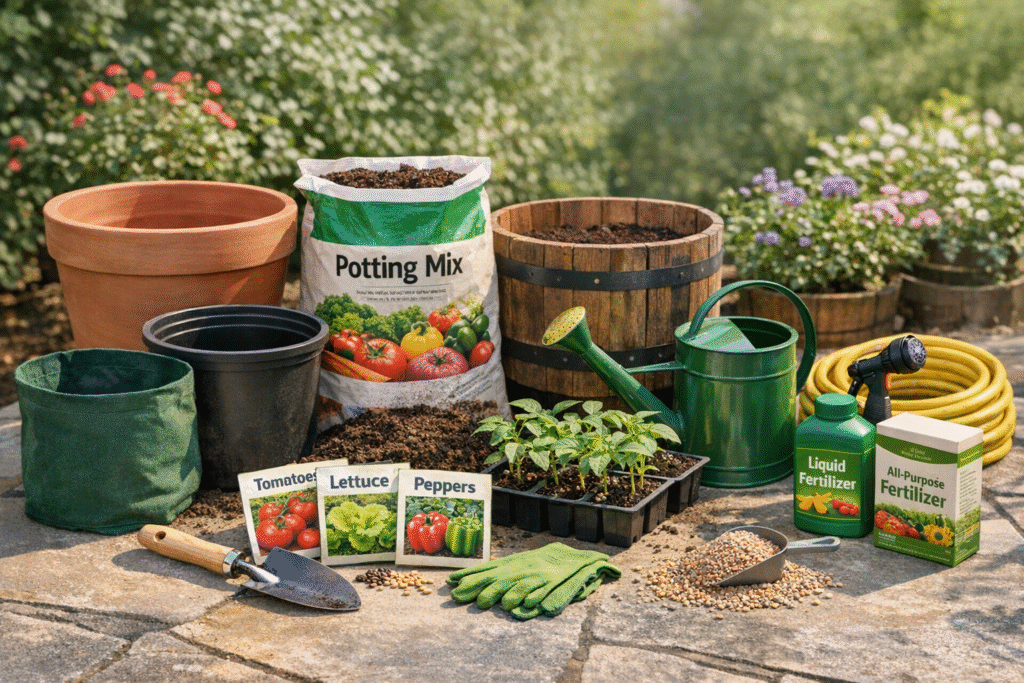
Starting your container garden on the right foot means gathering the necessary supplies. Choosing the right essentials is crucial for the success of your best vegetables to grow in containers.
Here’s what you’ll need:
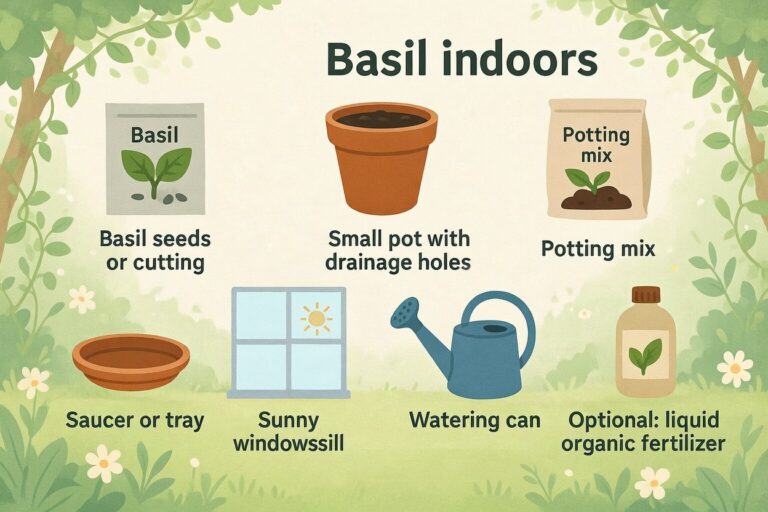
- Containers: Size matters! Most vegetables need ample root space. Look for pots at least 8-12 inches in diameter for smaller plants like lettuce or herbs, and 15-20 inches for larger plants like tomatoes or peppers. Ensure they have drainage holes to prevent waterlogging. Terracotta, plastic, fabric grow bags, or whiskey barrels all work well.
- Potting Mix: Do not use garden soil, as it can be too dense and harbor pests. A high-quality, lightweight potting mix provides proper drainage and aeration, which is vital for container gardening vegetables small space pots.
- Sunlight: Most vegetables need at least 6-8 hours of direct sunlight per day. Choose a sunny spot on your patio, balcony, or deck.
- Watering Can or Hose: Consistent watering is key, as containers dry out faster than garden beds.
- Fertilizer: Container plants quickly deplete soil nutrients. A balanced liquid fertilizer or slow-release granular fertilizer will keep them fed.
- Seeds or Seedlings: Start with high-quality seeds or healthy young plants from a reputable nursery.
Step-by-Step Care Instructions
Once you have your supplies, it’s time to get your hands dirty! These general steps will guide you in growing the best vegetables to grow in containers.
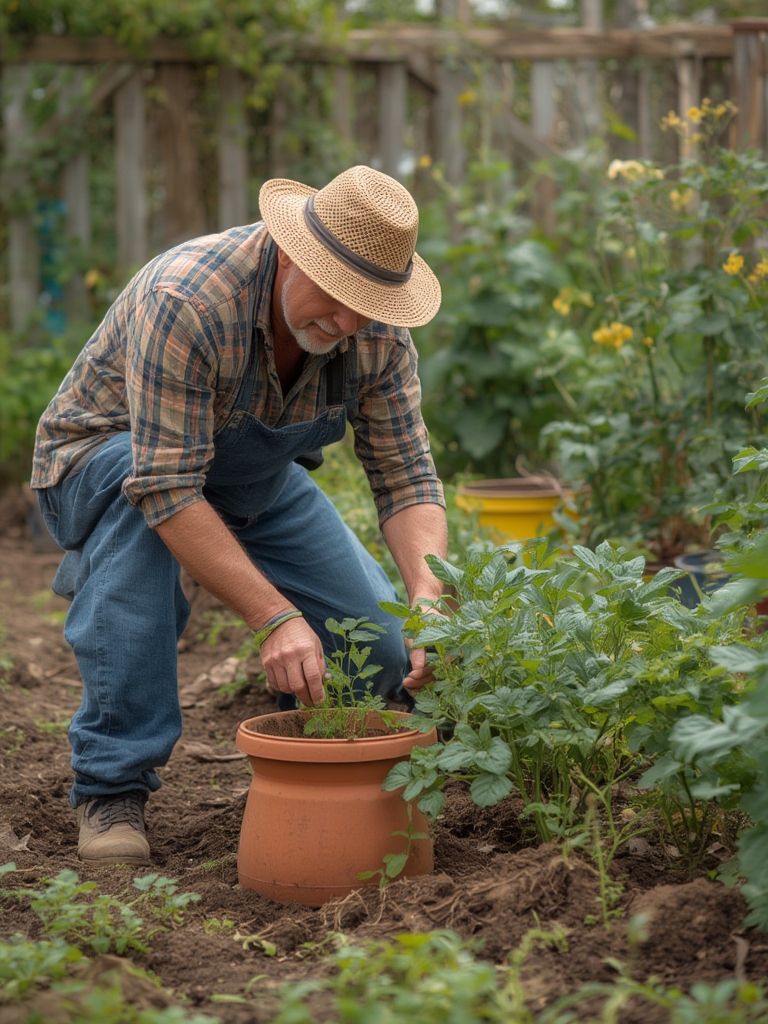
- Choose Your Vegetables: Select varieties known for container success. Great options include:
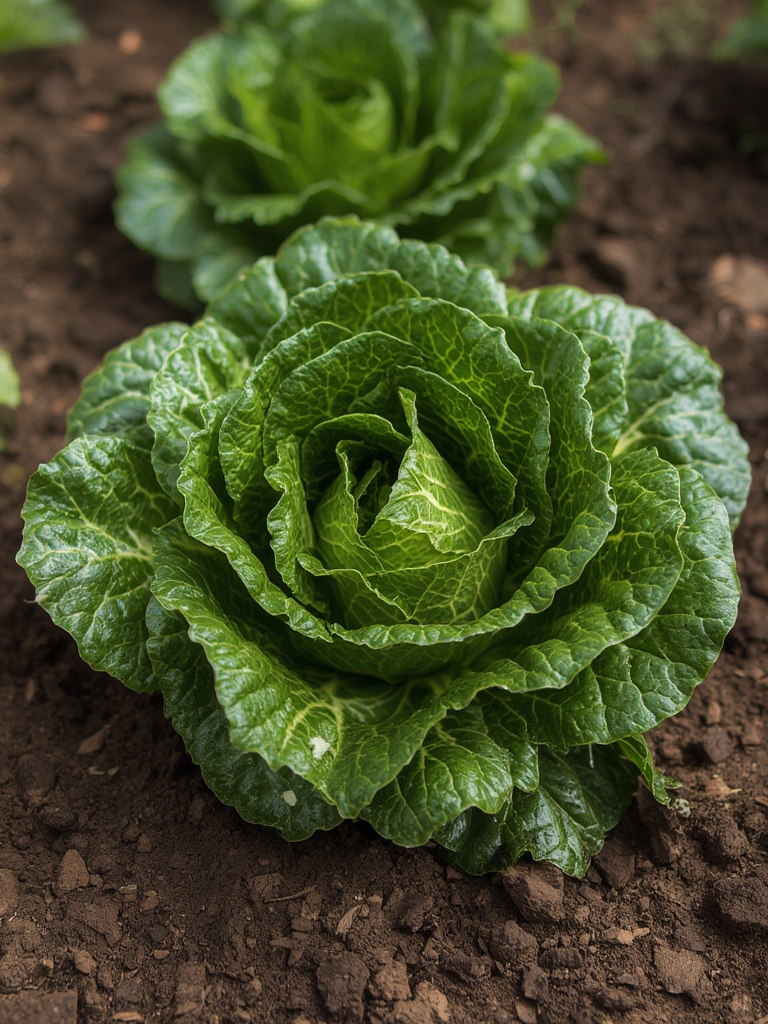
- Leafy Greens: Lettuce, spinach, kale, Swiss chard.
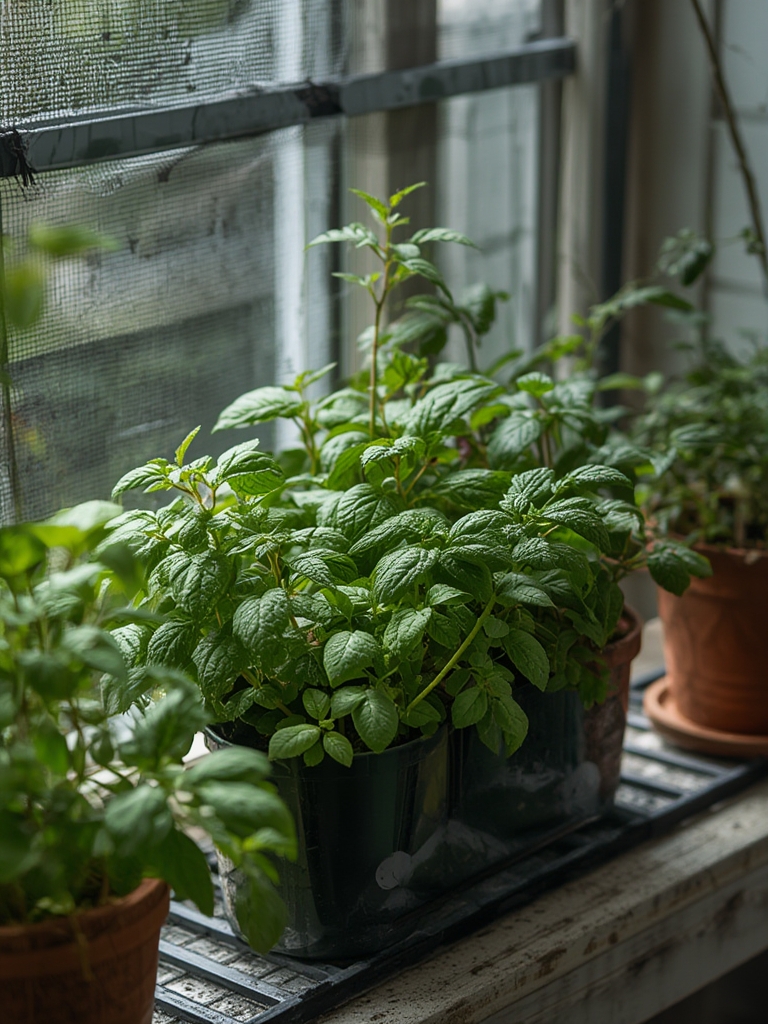
- Herbs: Basil, mint, parsley, cilantro.
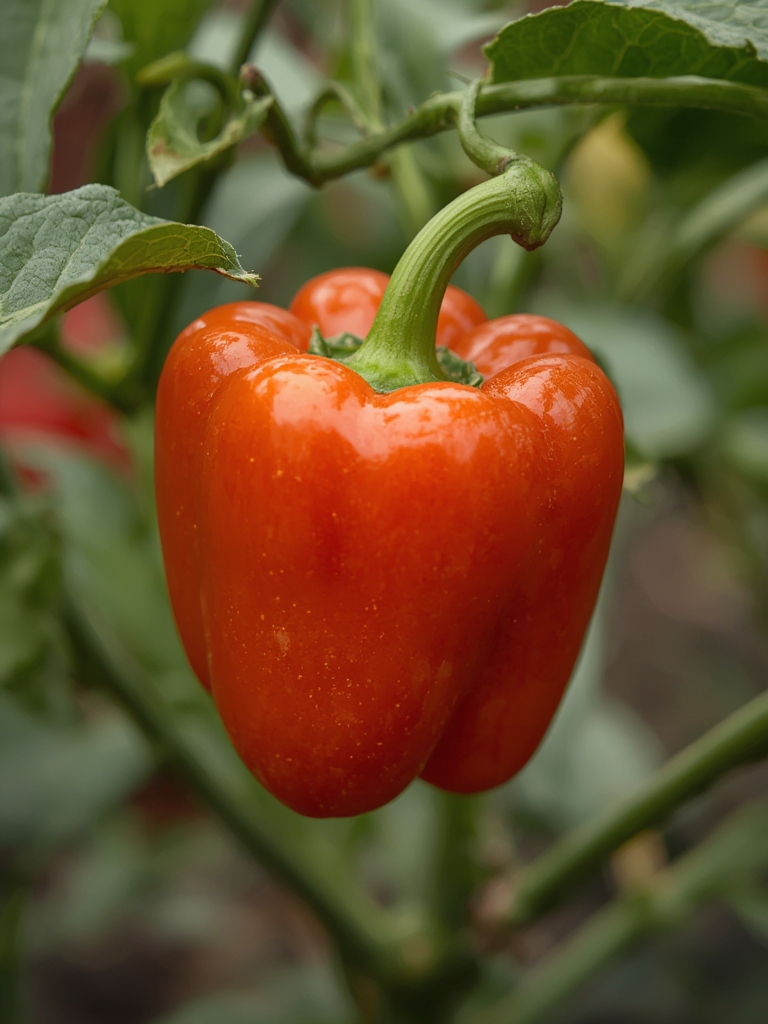
- Fruiting Vegetables: Bush beans, dwarf tomatoes, peppers, eggplants.
- Root Vegetables: Radishes, carrots (short varieties).
- Prepare Your Containers: Place a small piece of mesh or landscape fabric over drainage holes to prevent soil from escaping while allowing water to drain. Fill containers with potting mix, leaving about an inch or two from the rim.
- Planting:
- Seeds: Follow package directions for planting depth and spacing.
- Seedlings: Gently remove plants from their nursery pots. Dig a hole large enough for the root ball, place the plant, and backfill with soil, lightly firming around the base.
- Watering: Water thoroughly immediately after planting. Afterward, check the soil moisture daily. Water when the top inch of soil feels dry. Containers typically need more frequent watering than in-ground gardens, sometimes even twice a day during hot spells.
- Feeding: Begin fertilizing a few weeks after planting, following the product’s instructions. Regular feeding is essential for vigorous growth.
- Sunlight & Rotation: Ensure your containers receive adequate sunlight. If necessary, rotate your pots periodically to ensure all sides of the plant get sun exposure.
- Pest & Disease Watch: Regularly inspect your plants for any signs of pests or diseases. Early detection makes treatment much easier.
Growing & Care Schedule
While specific schedules vary by plant, here’s a general roadmap for your best vegetables to grow in containers:
- Spring: Ideal time to plant cool-season crops (lettuce, spinach, radishes) and start warm-season crops (tomatoes, peppers) indoors from seed or transplant seedlings after the last frost.
- Summer: Peak growing season. Focus on consistent watering, feeding, and pest management. Harvest regularly to encourage more production.
- Fall: Plant a second round of cool-season crops. Harvest remaining warm-season vegetables before the first hard frost.
- Winter: Some cold-hardy greens can grow in mild climates or protected spots. Otherwise, clean and store containers for the next season.
Benefits of Proper Care
Diligent care for your container gardening vegetables small space pots yields numerous rewards:
- Higher Yields: Healthy plants produce more.
- Vibrant Flavor: Freshly picked, properly nurtured vegetables taste significantly better than store-bought.
- Disease Resistance: Strong plants are better equipped to fight off pests and diseases.
- Extended Harvest: Regular harvesting and proper feeding can prolong the productive life of many plants.
- Gardening Satisfaction: There’s immense joy in harvesting food you’ve grown yourself!
Alternative Care Methods
For those looking to optimize their best vegetables to grow in containers even further, consider these alternatives:
- Self-Watering Containers: These pots have a built-in reservoir that wicks water up to the soil, reducing the frequency of manual watering and ensuring consistent moisture.
- Vertical Gardening Systems: Ideal for extremely tight spaces, these allow you to grow plants upwards, maximizing your planting area.
- Hydroponics/Aeroponics: While more advanced, these soil-less systems offer rapid growth and efficient water usage for dedicated enthusiasts.
Common Care Mistakes
Even experienced gardeners make mistakes! Here are some common pitfalls to avoid when growing container gardening vegetables small space pots:
- Insufficient Drainage: Pots without drainage holes or blocked holes lead to waterlogged roots and root rot. Always ensure proper drainage.
- Under or Overwatering: Both extremes are detrimental. Stick your finger into the soil to check moisture levels before watering.
- Wrong Container Size: Too small a pot stunts growth and quickly depletes nutrients.
- Lack of Sunlight: Vegetables need ample sun. Move pots if they’re in a shady spot.
- Neglecting Fertilization: Container soil nutrients get used up quickly; regular feeding is vital.
- Ignoring Pests: Pests can quickly decimate container gardens if not addressed promptly.
Maintenance & Pruning Tips
Regular maintenance keeps your container garden healthy and productive:
- Pinch Back Herbs: Pinch off the top leaves of herbs like basil and mint to encourage bushier growth.
- Prune Tomatoes: For indeterminate (vining) tomatoes, remove suckers (small shoots growing in the “armpit” of a leaf stem and main stem) to direct energy into fruit production.
- Deadhead Flowering Plants: While not always applicable to vegetables, remove spent flowers on companion plants to encourage more blooms.
- Provide Support: Vining plants like peas, beans, and dwarf tomatoes will benefit from stakes, cages, or small trellises.
- Succession Planting: For leafy greens and radishes, plant small batches every 2-3 weeks to ensure a continuous harvest throughout the season.
Conclusion
Growing your own best vegetables to grow in containers is an accessible and enjoyable way to connect with your food and enhance your living space. With the right containers, quality soil, plenty of sunshine, and consistent care, anyone can cultivate a successful and bountiful container garden. From crisp lettuce to juicy tomatoes, the possibilities are endless for container gardening vegetables small space pots. So, pick your favorites, gather your supplies, and start planting today – your taste buds will thank you!
FAQs
Q1: What are the easiest vegetables to grow in containers for beginners?
A1: Lettuce, spinach, radishes, bush beans, herbs (basil, mint, parsley), and small pepper varieties are excellent choices for beginners due to their relatively compact size and straightforward care requirements.
Q2: How often should I water my container vegetables?
A2: Generally, daily watering is needed for most container vegetables, especially during hot, dry weather. In milder conditions, checking the top inch of soil for dryness usually suffices. If it’s dry, it’s time to water.
Q3: What size container do I need for vegetables?
A3: The size depends on the vegetable. Small plants like herbs or leafy greens need pots 8-10 inches in diameter. Medium plants like bush beans or peppers require 10-15 inches, while large plants like tomatoes or eggplants thrive in 15-20 inch containers or larger.
Q4: Can I grow any vegetable in a container?
A4: While many vegetables adapt well, those with extensive root systems or very large growth habits (e.g., pumpkins, corn, full-size melons) are generally not suitable for typical container gardening. Opt for “bush,” “dwarf,” or “compact” varieties.
Q5: When is the best time to start container vegetables?
A5: The best time depends on your climate and the specific vegetable. Cool-season crops can be planted in early spring and fall. Warm-season crops (like tomatoes and peppers) should be planted after all danger of frost has passed in spring, once soil temperatures have warmed up.