Crop Rotation Planning: Improve Soil Health & Reduce Pests
Crop Rotation Planning: Improve Soil Health & Reduce Pests
Hey there, fellow green thumb! Ever found yourself wondering why your prize-winning tomatoes from last year are looking a bit sad this season, or why those persistent pests seem to magically reappear in the same spot? You’re not alone. Many gardeners face these challenges, but there’s a time-tested, organic solution that can dramatically transform your garden’s health and vitality: crop rotation planning.
As an eco-gardening expert and seasoned blogger, I’ve seen firsthand the incredible power of strategic planting. It’s more than just moving plants around; it’s a fundamental principle of sustainable agriculture that nourishes your soil, confuses pests, and dramatically reduces disease pressure – all without relying on harsh chemicals. Ready to unlock a healthier, more productive garden? Let’s dive into the art and science of crop rotation planning!
Materials & Eco-Friendly Supplies for Smart Planning
While crop rotation planning is primarily a mental exercise, having the right tools makes all the difference in visualizing and tracking your progress. Think of these as your garden’s strategic toolkit:
- Garden Journal or Notebook: Your indispensable record-keeper! Use it to draw garden maps, note down what you planted where each season, and track yields, pest issues, and successes. Graph paper can be particularly helpful for scale.
- Pens, Pencils, and Highlighters: For clear mapping and easy identification of different plant families.
- Soil Testing Kit: Understanding your soil’s current nutrient levels and pH is crucial for long-term health. Look for eco-friendly kits that minimize waste. Knowing your soil helps you decide which amendments are truly needed.
- Organic Seeds and Seedlings: Always opt for organic, non-GMO varieties. This ensures you’re starting with plants that haven’t been treated with synthetic chemicals and promotes biodiversity.
- Compost & Organic Fertilizers: As you rotate, you’ll enrich each bed with “black gold.” Keep a ready supply of finished compost, worm castings, or organic granular fertilizers to replenish soil nutrients naturally.
- Cover Crop Seeds: For beds that might lie fallow, cover crops like clover or buckwheat are excellent “green manures” that protect and nourish the soil.
Step-by-Step Organic Method: Mastering Crop Rotation
Implementing effective crop rotation planning is a straightforward process once you understand the core principles. Here’s how to set up your garden for success:
Step 1: Map Your Garden Layout
Draw a clear diagram of your garden beds, raised beds, or even container groupings. Label each section. This visual aid is essential for tracking what goes where over time.
Step 2: Group Your Crops by Family
This is the cornerstone of rotation. Plants within the same family often share similar nutrient needs and are susceptible to the same pests and diseases. Grouping them ensures you break these cycles. Common plant families include:
- Brassicas (Cabbage Family): Broccoli, cabbage, kale, cauliflower, collards, radishes, turnips.
- Solanaceae (Nightshade Family): Tomatoes, peppers, potatoes, eggplant.
- Legumes (Pea Family): Beans, peas, peanuts, clover (fix nitrogen).
- Cucurbitaceae (Gourd Family): Cucumbers, squash, pumpkins, melons.
- Umbelliferae (Carrot Family): Carrots, parsnips, celery, dill, parsley.
- Chenopodiaceae (Beet Family): Beets, spinach, Swiss chard.
- Liliaceae (Onion Family): Onions, garlic, leeks, shallots.
Step 3: Track Past Plantings
Using your garden journal, accurately record what you planted in each bed for the past few seasons. This information is vital for planning future rotations, as you want to avoid planting the same family in the same spot for at least three, ideally four, years.
Step 4: Implement a 3-4 Year Rotation Cycle
The goal is to move plant families to different beds each season. A classic rotation often follows this pattern, focusing on nutrient needs:
- Year 1: Heavy Feeders (Fruits/Leaves) – Plants that require a lot of nitrogen and nutrients, like corn, squash, cabbage, leafy greens.
- Year 2: Light Feeders (Roots/Flowers) – Crops with moderate nutrient needs, such as carrots, beets, onions, radishes.
- Year 3: Soil Builders (Legumes) – Nitrogen-fixing plants like beans and peas, which replenish the soil naturally.
- Year 4: Root Crops/Other – Can be a repeat of root crops, or another suitable crop that doesn’t fit neatly into the above, preparing for another cycle.
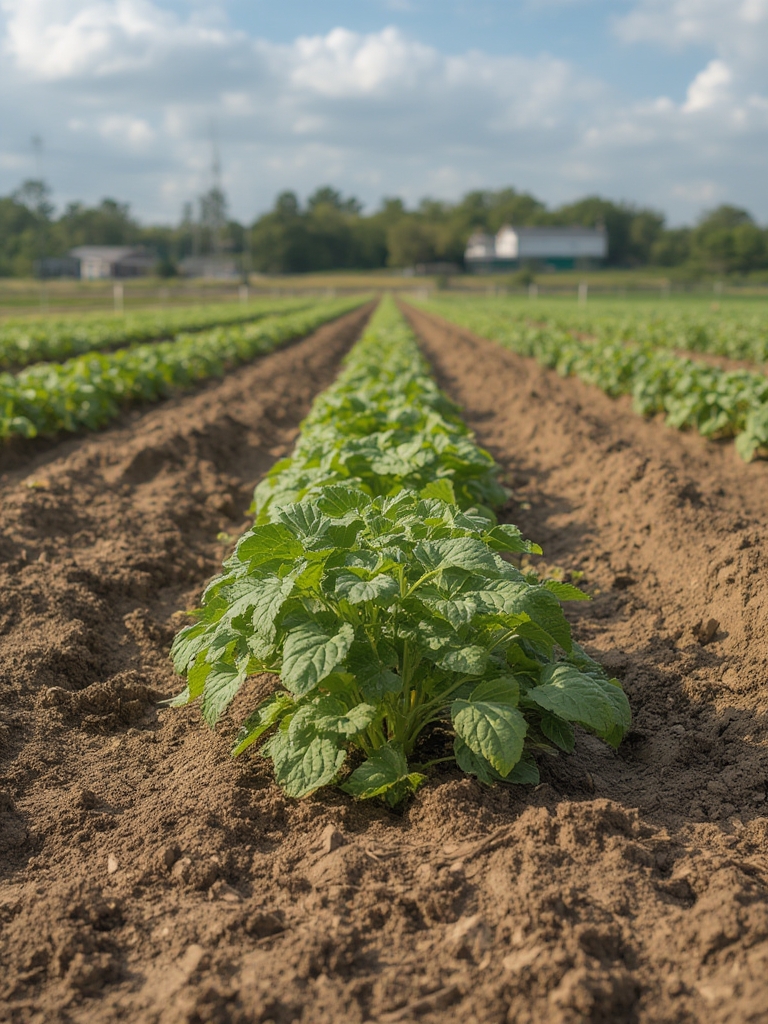
The key is to never follow a crop with another from the same family in the same bed for several years. For example, don’t plant tomatoes (Solanaceae) after potatoes (Solanaceae).
Step 5: Incorporate Green Manures/Cover Crops
When a bed isn’t actively growing vegetables, consider planting a cover crop (like clover, vetch, or rye). These protect the soil from erosion, suppress weeds, add organic matter, and some even fix nitrogen, enriching the soil for the next planting.
Step 6: Plan for the Next Season
At the end of each growing season, review your notes and plan the next year’s rotation. This proactive approach ensures you maintain healthy soil and minimize problems.
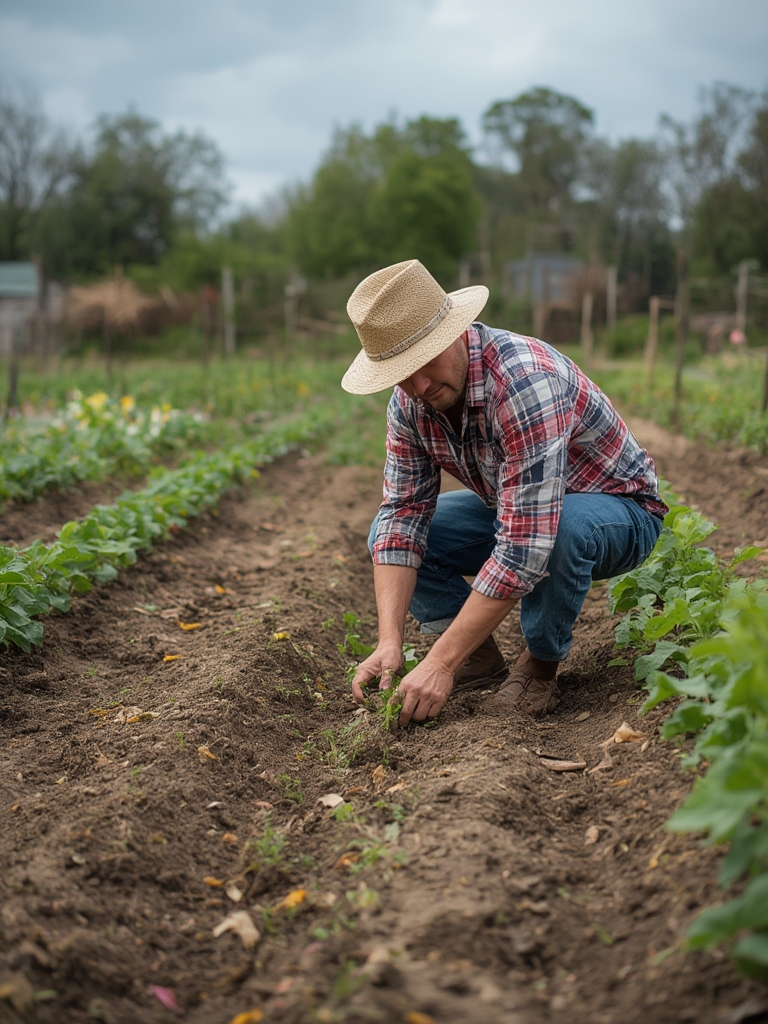
Benefits of Organic Gardening with Crop Rotation
Adopting crop rotation planning within an organic framework offers a multitude of advantages:
- Improved Soil Health: Different plants extract different nutrients. Rotation ensures a more balanced nutrient uptake, preventing depletion of specific elements. Nitrogen-fixing legumes enrich the soil naturally, reducing the need for synthetic fertilizers.
- Natural Pest & Disease Control: This is a game-changer! Pests and diseases often specialize in specific plant families. By moving host plants, you disrupt their life cycles, making it harder for them to establish and proliferate in a particular area.
- Reduced Weed Pressure: Rotating crops, especially with cover crops or dense plantings, can naturally suppress weeds by altering growing conditions or outcompeting them.
- Enhanced Biodiversity: A diverse garden ecosystem is a resilient one. Rotation encourages a wider variety of beneficial microorganisms in the soil and attracts beneficial insects, creating a healthier balance.
- Better Yields & Quality: Healthy soil and fewer pest/disease issues translate directly into stronger, more productive plants, leading to higher yields and better-tasting produce.
- Environmental Sustainability: By minimizing external inputs like synthetic fertilizers and pesticides, you reduce chemical runoff, protect water sources, and contribute to a healthier planet.
Eco Tips & Sustainable Alternatives for Your Garden
Beyond crop rotation planning, here are more ways to embrace a truly sustainable garden:
- Composting is Key: Turn kitchen scraps and garden waste into nutrient-rich compost. It’s the best way to recycle organic matter and improve soil structure.
- Rainwater Harvesting: Install a rain barrel to collect rainwater for your garden. It’s free, better for plants (no chlorine!), and reduces your water bill.
- Companion Planting: Strategically plant different species together that benefit each other. Some deter pests, others attract pollinators, and some even improve soil nutrients. This complements your crop rotation guide garden planning soil health beautifully.
- Mulch, Mulch, Mulch: Apply a layer of organic mulch (straw, wood chips, shredded leaves) around your plants. It conserves moisture, suppresses weeds, regulates soil temperature, and slowly adds organic matter.
- Encourage Native Plants: Incorporate native plants into your landscape. They are adapted to your local climate, require less water and care, and provide essential habitat and food for local wildlife and pollinators.
- Choose Organic & Heirloom Seeds: Support biodiversity and ensure your garden is free from GMOs and pesticide treatments.
Common Organic Mistakes to Avoid
Even with the best intentions, it’s easy to stumble. Here are common pitfalls to avoid when implementing your crop rotation planning:
- Skipping Record-Keeping: Without detailed notes, your rotation plan quickly becomes guesswork, defeating its purpose.
- Ignoring Plant Families: Rotating within the same family (e.g., tomatoes after potatoes) offers no benefit against shared pests and diseases. Always know your plant families!
- Too Short a Rotation Cycle: Pests and diseases can linger in the soil for several years. A 1-2 year rotation isn’t usually enough to break these cycles effectively. Aim for 3-4 years.
- Neglecting Soil Amendments: Rotation helps, but it doesn’t eliminate the need for regular soil enrichment. Always add compost and organic matter to replenish nutrients.
- Not Adapting to Your Garden: Every garden is unique. Observe your plants and soil, and be prepared to adjust your plan based on what you learn.
- Forgetting Cover Crops: Leaving beds bare exposes soil to erosion and nutrient loss. Cover crops are a valuable, often overlooked, tool for continuous soil improvement.
Maintenance & Long-Term Care for a Thriving Organic Garden
Sustainable gardening, including effective crop rotation planning, is an ongoing journey, not a one-time task. Here’s how to ensure your garden thrives year after year:
- Regular Soil Testing: Re-test your soil every 2-3 years to monitor nutrient levels and pH. This guides your organic amendment strategy.
- Consistent Organic Matter Addition: Make composting and adding organic matter a continuous practice. It feeds the soil food web, improving structure, drainage, and nutrient retention.
- Diligent Record-Keeping: Your garden journal is your most valuable asset. Update it regularly with planting dates, yields, observations, and any pest or disease issues. This data informs your future crop rotation guide garden planning soil health.
- Observation is Key: Spend time in your garden. Learn to “read” your plants and soil. Early detection of issues allows for timely, organic interventions.
- Adapt and Learn: Nature is dynamic. Be flexible with your plans, adapt to changing weather patterns or unexpected challenges, and view every season as a learning opportunity.
- Seasonal Planning & Review: Before each planting season, review your rotation plan. Adjust it as needed based on your observations and desired crops.
Conclusion: Cultivate Health, Harvest Abundance
Embracing crop rotation planning is one of the most powerful steps you can take toward a truly sustainable and organic garden. It’s a testament to working with nature, not against it, fostering a vibrant ecosystem where plants flourish, pests are minimized, and your soil remains a living, breathing foundation for future harvests.
By investing a little time in planning and observation, you’ll be rewarded with healthier plants, richer harvests, and the deep satisfaction of knowing you’re growing food in a way that respects the earth. So, grab that garden journal, start mapping, and embark on your journey to mastering this essential organic gardening technique. Your soil, your plants, and your taste buds will thank you!
FAQs About Crop Rotation Planning
Q1: What if I have a small garden or only grow in containers?
Even small spaces can benefit! In containers, simply empty and replace the soil with fresh, amended soil each season, or thoroughly clean pots and swap crops between them. For small beds, focus on a 3-year cycle, moving crops to the furthest possible bed each year. Intensive gardening techniques can also help maximize limited space while still rotating.
Q2: How do I know which plants belong to which family?
A quick online search for “plant families for garden rotation” will yield many helpful charts. Most seed packets or plant tags also often mention the plant’s family. Some common groupings are Brassicas (cabbage, broccoli), Solanaceae (tomatoes, potatoes), Legumes (beans, peas), Cucurbits (squash, cucumbers), and Alliums (onions, garlic).
Q3: What’s a good basic rotation sequence for beginners?
A simple and effective 4-year rotation is: Legumes (beans, peas) → Leafy Greens/Heavy Feeders (lettuce, spinach, corn) → Root Vegetables (carrots, beets, radishes) → Fruit Vegetables (tomatoes, peppers, squash). This ensures a good balance of nutrient use and pest disruption.
Q4: Can I skip a year of crop rotation?
While one skipped year might not ruin everything, consistent rotation is key to its effectiveness. Skipping years can allow pest populations and disease pathogens to build up in the soil, undoing the benefits you’ve worked to establish. It’s best to maintain a continuous plan.
Q5: Is crop rotation only for vegetables?
While most commonly applied to vegetables, the principles of crop rotation can also be beneficial for certain herbs and even some ornamental plants if they are prone to specific soil-borne diseases or pests. The idea is to break cycles of continuous planting in the same spot, which can deplete specific nutrients or harbor pathogens.