DIY Garden Watering Systems: Budget Drip Irrigation Setup
Hey there, fellow green thumbs and aspiring gardeners! Are you tired of spending endless hours with a watering can or dragging a heavy hose across your garden every single day? What if I told you there’s a simpler, more efficient, and budget-friendly way to keep your plants happy and hydrated? Welcome to the wonderful world of automated watering systems!
As a passionate DIY gardening expert, I know the struggle is real when it comes to consistent watering. But it doesn’t have to be. Today, we’re diving deep into how you can build your very own DIY garden watering system. This guide focuses on a simple, effective drip irrigation setup that will save you time, water, and ultimately, help your garden thrive. Get ready to transform your gardening routine – it’s easier than you think!
Materials & Tools Needed
Before we dig in, let’s gather our supplies. Most of these items can be found at your local hardware store or garden center without breaking the bank. Remember, this is a soaker hose drip irrigation setup budget friendly project, so we’re focusing on efficiency and cost-effectiveness!
Here’s what you’ll need:
- Garden Hose: An old one will do, or a new, inexpensive option. This will be your main water supply line.
- Hose Y-Connector (optional): If you want to use your outdoor spigot for other things too.
- Pressure Regulator: Essential for drip systems! It reduces household water pressure to a safe level for your drip lines (typically 10-25 PSI).
- Filter (optional but recommended): Prevents clogs from sediment in your water.
- Tubing/Drip Line: This is the heart of your system. You can choose from standard drip tubing with pre-installed emitters or blank poly tubing with separate emitters. For a truly budget-friendly option, a regular soaker hose can also be adapted.
- Emitters/Drippers: If using blank tubing, you’ll need these. Different types offer different flow rates (e.g., 0.5 GPH, 1 GPH).
- Fittings: Connectors, tees, elbows, end caps, and repair couplings to design your layout.
- Tubing Cutter or Sharp Utility Knife: For clean cuts in your tubing.
- Hole Punch Tool: If you’re installing emitters into blank poly tubing.
- Stakes/Staples: To secure your tubing to the ground.
- Measuring Tape: For planning and cutting.
Project Duration & Planning
This project is surprisingly quick! Depending on the size and complexity of your garden, you can expect to spend 2-4 hours on the initial setup. The key to a smooth process is good planning.
Here’s how to plan effectively:
- Sketch Your Garden: Draw a simple map of your garden beds, marking where your plants are located and where your main water source (spigot) is.
- Map Your Lines: Decide where your main drip line will run and where the smaller lines or emitters will branch off to reach each plant. Aim for straight lines where possible and avoid unnecessary turns to minimize fittings.
- Measure Twice, Cut Once: Estimate the lengths of tubing you’ll need for each section. It’s always better to have a little extra than not enough!
- Consider Water Flow: Think about areas that need more or less water. Some plants are thirstier than others.
Step-by-Step DIY Instructions
Ready to get your hands dirty (but not soaking wet)? Let’s build your DIY garden watering system!
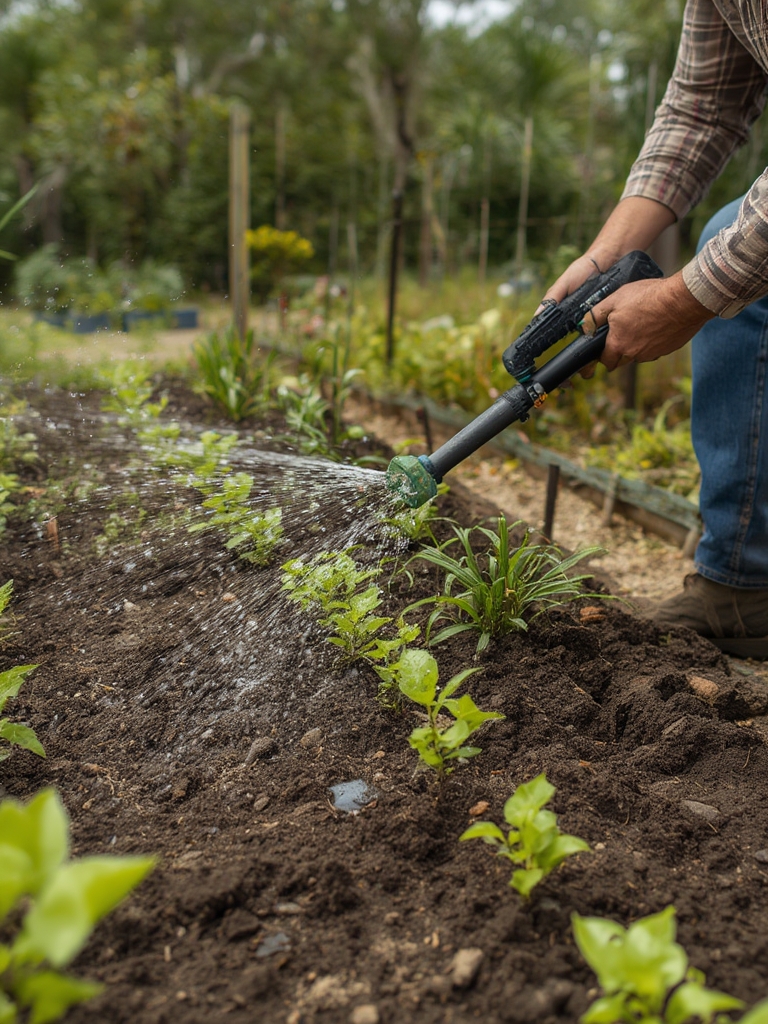
Step 1: Connect to Your Water Source
- Attach your Y-connector (if using) to your outdoor spigot.
- Screw on your pressure regulator.
- If you have a filter, attach it after the pressure regulator.
- Connect one end of your main garden hose to the filter/pressure regulator.
Step 2: Lay Out Your Main Drip Line
- Run your garden hose (or a dedicated section of larger poly tubing) from the spigot to the start of your garden bed. This acts as your header or supply line.
- Lay out your drip tubing or soaker hose drip irrigation setup budget friendly along the rows or around your plants, following your plan. Leave a little slack, as tubing can contract in cold weather.
Step 3: Cut and Connect Tubing
- Use your tubing cutter or sharp knife to cut the drip tubing to the desired lengths.
- Connect sections of tubing using various fittings (tees for branching, elbows for corners). Push the tubing firmly onto the barbed fittings until it’s secure.
- For blank poly tubing, use the hole punch tool to create holes where you want to insert emitters. Insert the emitters by pushing them firmly into the holes.
Step 4: Place Emitters (if using blank tubing)
- Position emitters near the base of each plant. For larger plants, you might want two or more emitters to ensure even watering.
- If using pre-installed drip line, simply snake it around your plants so the emitters are positioned correctly.
Step 5: Secure the Tubing
- Use ground stakes or staples to hold the drip tubing in place. This prevents it from shifting and ensures water goes exactly where you want it.
Step 6: Flush the System and Add End Caps
- Before capping off the ends, turn on the water for a few minutes to flush out any debris that might have entered the lines during installation. This is crucial to prevent clogging.
- Once flushed, turn off the water and install end caps on all open ends of your drip lines.
Step 7: Test and Adjust
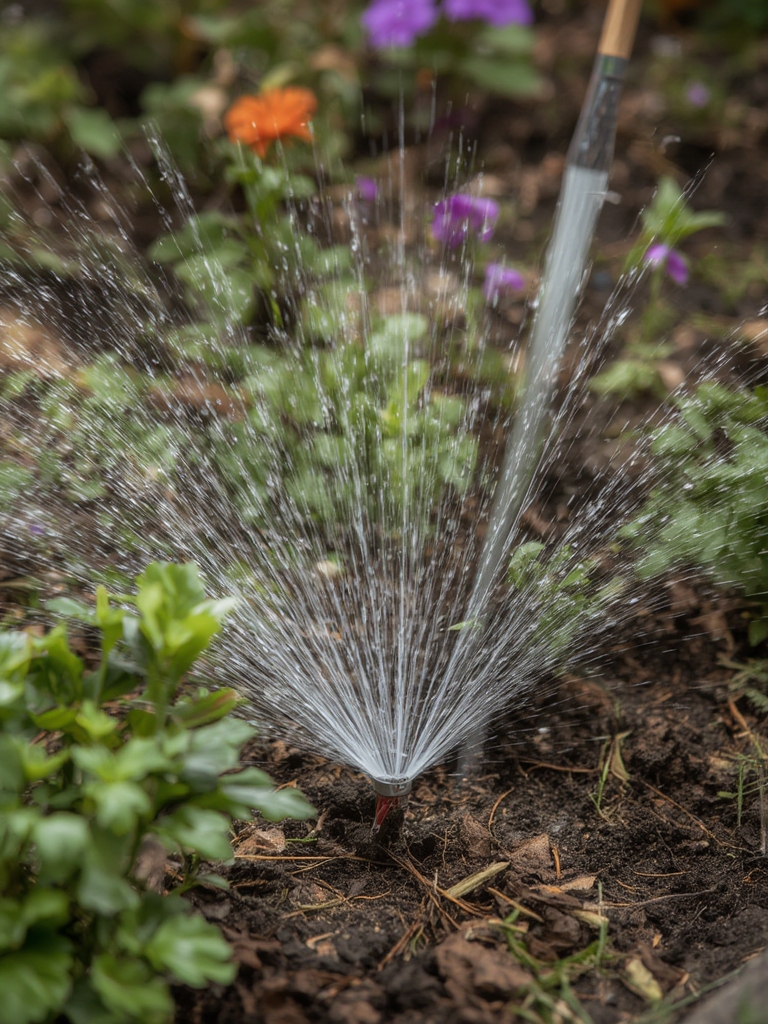
- Turn on the water again and inspect your entire DIY garden watering system. Check for leaks at the connections and ensure water is dripping evenly from all emitters.
- Adjust emitter placement or add/remove emitters as needed to optimize water distribution for individual plants.
Congratulations, you’ve just built your own automated watering system!
Benefits & Practical Advantages
Investing a little time in a DIY garden watering system offers a bounty of benefits:
- Water Conservation: Drip systems deliver water directly to the plant roots, minimizing evaporation and runoff. This means less water wasted!
- Healthier Plants: Consistent, deep watering promotes stronger root development and reduces stress on plants, leading to better growth and yields.
- Time-Saving: No more daily watering chores! Set it and forget it (or at least, set a timer!).
- Reduced Weed Growth: Water only where your plants are, starving weeds of the moisture they need to thrive.
- Disease Prevention: Keeping foliage dry reduces the risk of fungal diseases.
- Flexibility: You can easily customize the system to suit different plant needs.
DIY Variations & Customization Tips
Your DIY garden watering system can grow with your gardening ambitions!
- Add a Timer: For true automation, connect an inexpensive hose-end timer to your spigot. Set it to water at optimal times (early morning is best).
- Rain Barrel Integration: For an eco-friendly approach, connect your drip system to a rain barrel for passive, gravity-fed irrigation (you’ll likely need a lower-pressure drip system designed for this).
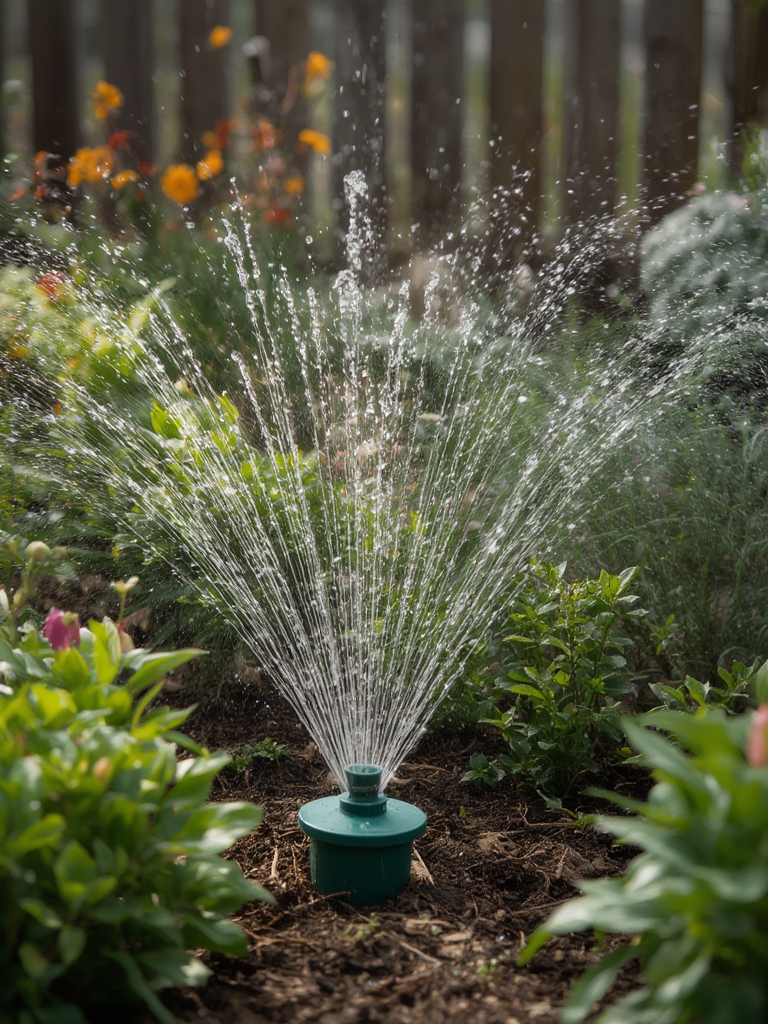
- Different Emitters: Experiment with various emitter types (adjustable, sprayers, bubblers) for plants with unique watering requirements.
- Convert a Soaker Hose: If you’re on a super tight budget, a regular soaker hose can be a simple, effective soaker hose drip irrigation setup budget friendly. Just be aware that pressure regulators might still be needed to prevent bursting.
Common DIY Mistakes
Don’t let these common missteps dampen your enthusiasm:
- Incorrect Pressure: Too much pressure can blow apart your system; too little means uneven watering. Always use a pressure regulator!
- Clogged Emitters: This is why a filter is recommended. Flush your system occasionally to prevent mineral or sediment buildup.
- Not Planning Ahead: Rushing can lead to wasted materials and an inefficient layout. Sketching your garden is key.
- Loose Connections: Ensure all fittings are pushed firmly onto the tubing to prevent leaks.
- Forgetting to Flush: Skipping the initial flush before capping can trap debris that will inevitably clog your emitters.
- Uneven Coverage: Pay attention during testing. If some plants look dry and others waterlogged, adjust your emitters.
Maintenance & Longevity Tips
A little care goes a long way in ensuring your DIY garden watering system lasts for years.
- Regular Inspection: Periodically walk your garden, checking for leaks, clogs, or damaged tubing.
- Flush Annually: At the start of each gardening season, remove end caps and flush your system thoroughly to clear any winter debris.
- Clean Filters: If you have a filter, clean it regularly according to the manufacturer’s instructions.
- Winterization: In colder climates, drain your system completely before the first freeze. Disconnect from the spigot, open all end caps, and store delicate components (like the pressure regulator and timer) indoors.
- Protect from Sun: While most drip tubing is UV-resistant, extreme sun exposure over years can degrade it. Covering with mulch can extend its life.
Conclusion
There you have it! Building a DIY garden watering system is an incredibly rewarding project that pays dividends in convenience, water savings, and healthier plants. It might seem like a daunting task at first, but with a little planning and these step-by-step instructions, you’ll have a thriving, effortlessly watered garden in no time.
Imagine sipping your morning coffee while your garden gets perfectly hydrated, all on its own! This is more than just a plumbing project; it’s an investment in your gardening joy and the health of your precious plants. So, grab your tools, get inspired, and make your gardening life a whole lot easier. Happy watering!
FAQs
Q1: How often should I water my garden with a drip system?
A1: The frequency depends on your plants, soil type, and weather. Start by watering for 20-30 minutes every other day, then observe your plants and soil moisture. Adjust as needed – aim for deep, less frequent watering rather than shallow daily sprinkles.
Q2: Can I expand my existing DIY garden watering system later?
A2: Absolutely! Drip irrigation systems are highly modular. You can easily add more lines, emitters, or branch off to new garden beds as your garden grows. Just make sure your main water pressure can handle the additional load.
Q3: What’s the difference between drip tubing and a soaker hose drip irrigation setup budget friendly?
A3: Drip tubing typically has precise emitters that deliver water at a controlled rate to specific spots. A soaker hose ‘weeps’ water along its entire length, providing more widespread, less precise saturation. Both are budget-friendly, but drip tubing offers more control for targeted watering.
Q4: Do I need a professional to install a drip system?
A4: Not at all for most home gardens! This guide is designed for beginners to build a simple and effective DIY garden watering system. With basic tools and a bit of planning, you can easily do it yourself.
Q5: Will drip irrigation work for all types of plants?
A5: Drip irrigation is highly versatile and works well for most garden plants, including vegetables, flowers, shrubs, and even trees. You can customize emitter types and flow rates to suit individual plant needs.