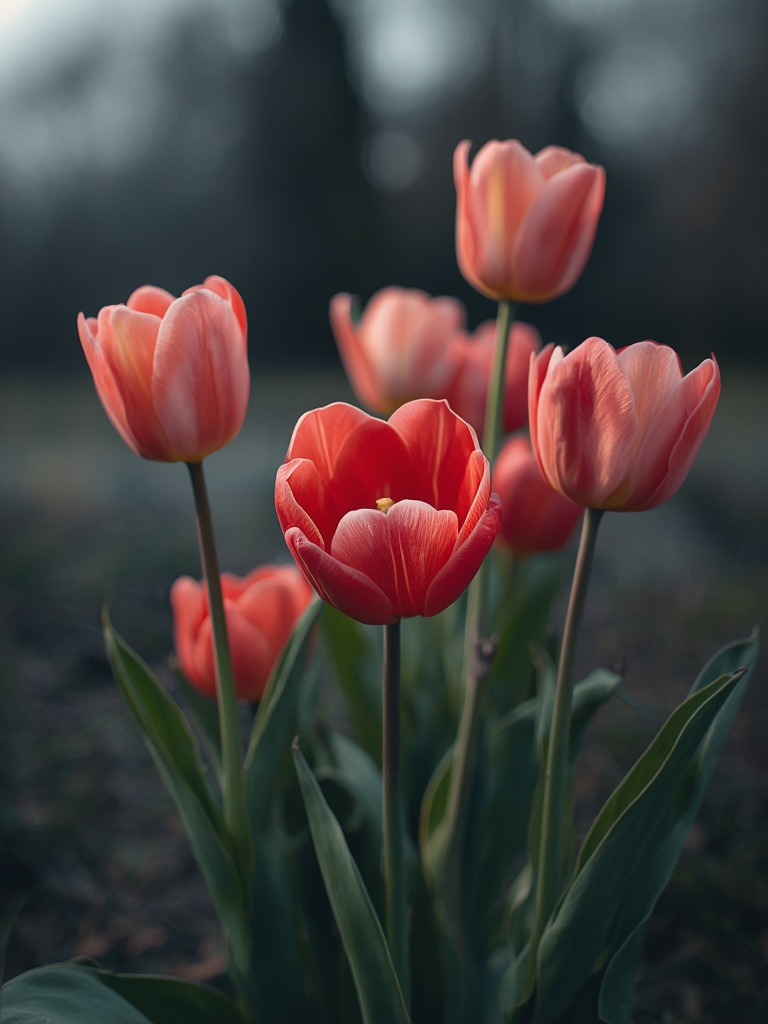
February Flowers Checklist: Blooms, Planting & Garden Tasks
February Flowers Checklist: Blooms, Planting & Garden Tasks
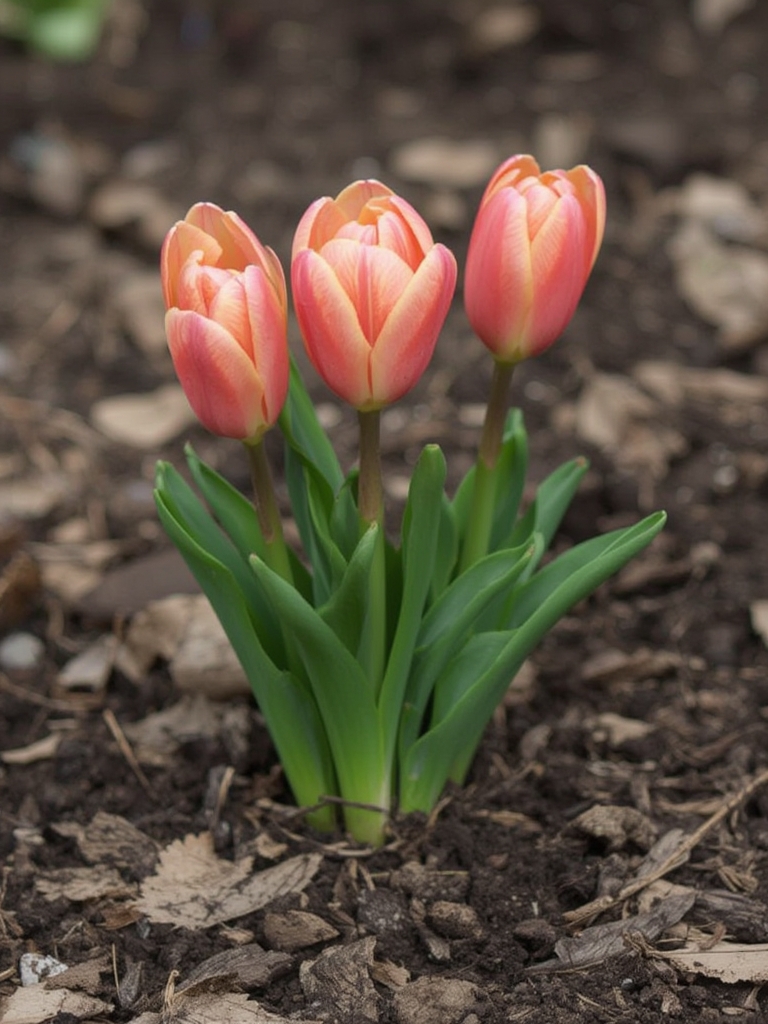
Welcome, fellow garden enthusiasts! As winter still holds its chilly grip, February might seem like a quiet month in the garden. However, for those with a keen eye and a bit of planning, it’s a time of hidden potential and exciting beginnings. Far from being a dormant period, February offers a crucial window to prepare for a spectacular spring, coaxing the first brave february flowers to emerge and setting the stage for months of vibrant growth.
This month is all about getting a head start. Whether you’re a seasoned green thumb or just beginning your gardening journey, this checklist will guide you through essential tasks, help you avoid common pitfalls, and ensure your garden is ready to burst into life. Let’s dive into what you can do to cultivate beauty and ensure a thriving garden as winter transitions to spring.
Tools & Tasks for This Season
Even when it’s cold outside, your tools need some love, and there are key tasks to tackle indoors and out (weather permitting!). Gathering your essentials now will save you time later.
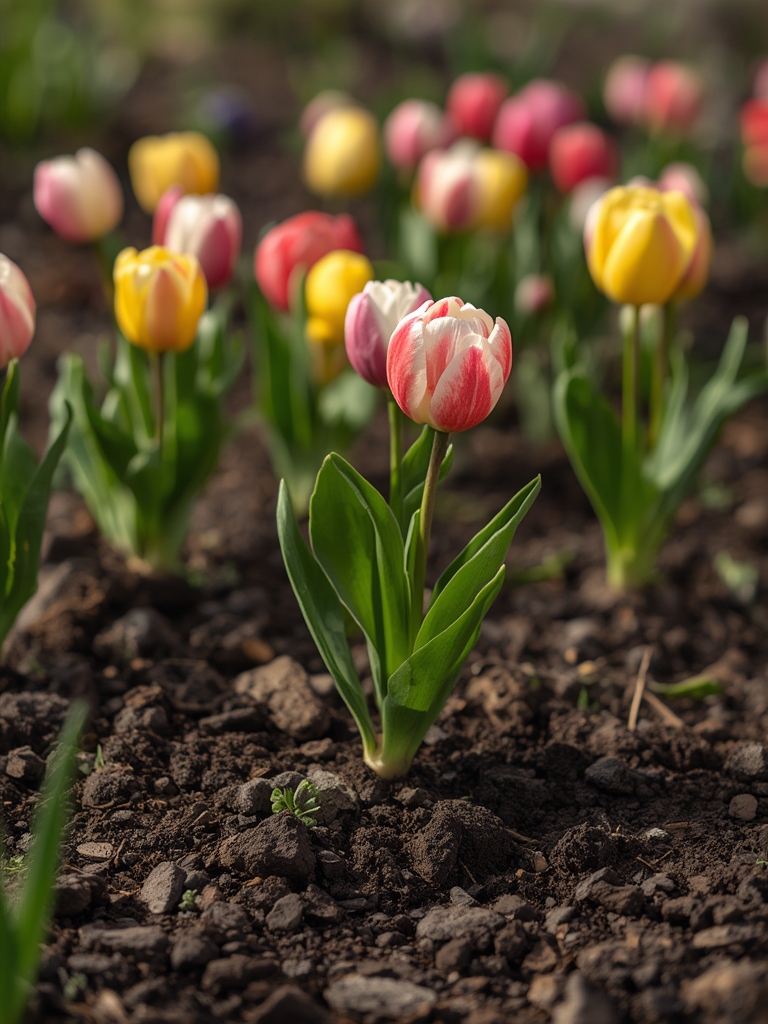
Essential Tools for February:
- Pruning Shears/Loppers: For dormant pruning.
- Gardening Gloves: Protect your hands from the cold and thorns.
- Seed Starting Trays & Pots: If you’re planning to sow indoors.
- Seed Starting Mix: A light, sterile medium for optimal germination.
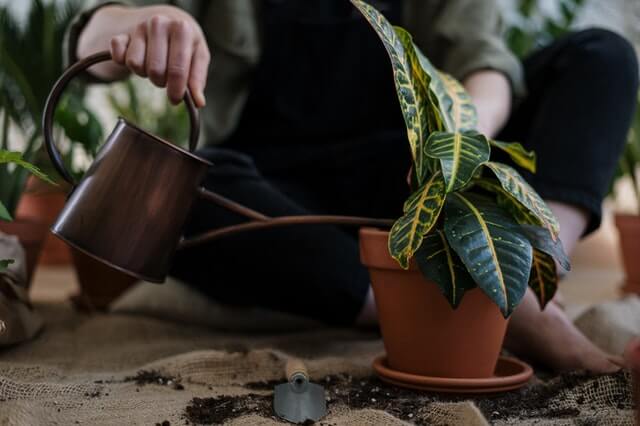
- Watering Can or Spray Bottle: For indoor plants and new seedlings.
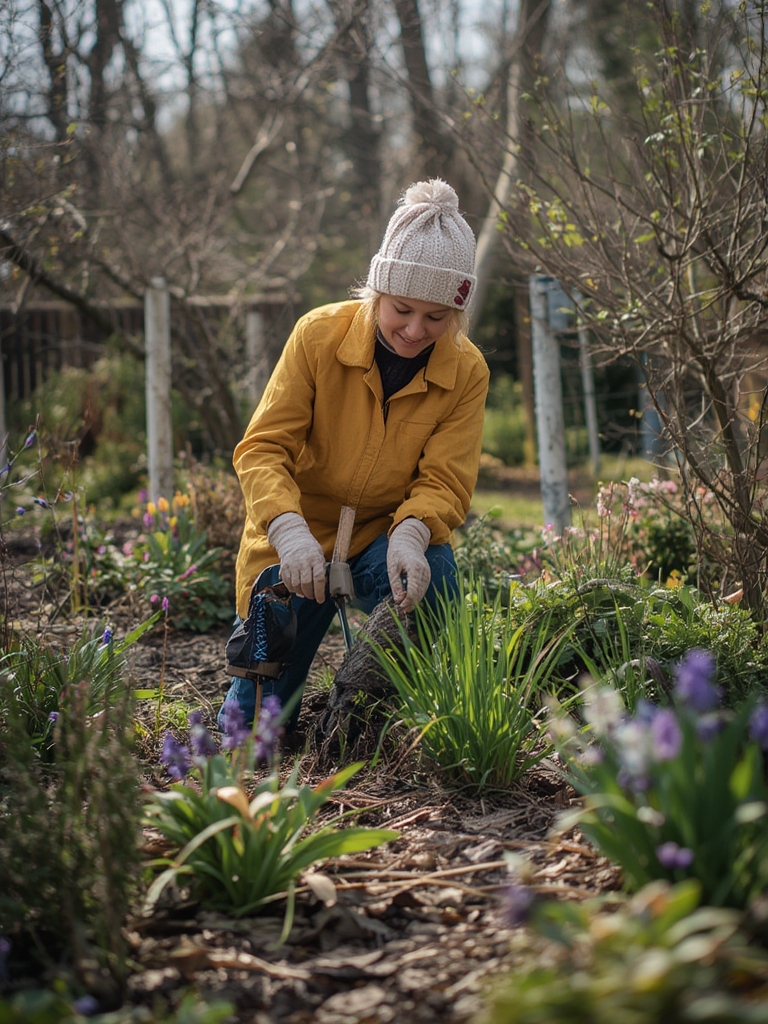
- Trowel & Hand Fork: For light outdoor tasks or mixing soil amendments.
- Tool Sharpening Kit: To get your tools ready for spring.
Key Tasks to Focus On:
- Garden Planning: Now is the perfect time to sketch out your spring garden. Consider new plant varieties, bed layouts, and crop rotations for edibles.
- Tool Maintenance: Clean, sharpen, and oil all your gardening tools. This extends their life and makes future tasks easier.
- Seed Inventory & Ordering: Check your existing seed stash for viability and order any new seeds you want to grow. Popular february flowers and early vegetables sell out fast!
- Clean Up: If snow cover allows, remove any lingering debris, fallen leaves, or spent annuals from garden beds.
Seasonal Gardening Checklist
This step-by-step guide will help you organize your February gardening efforts, ensuring you’re productive without rushing into spring too soon.
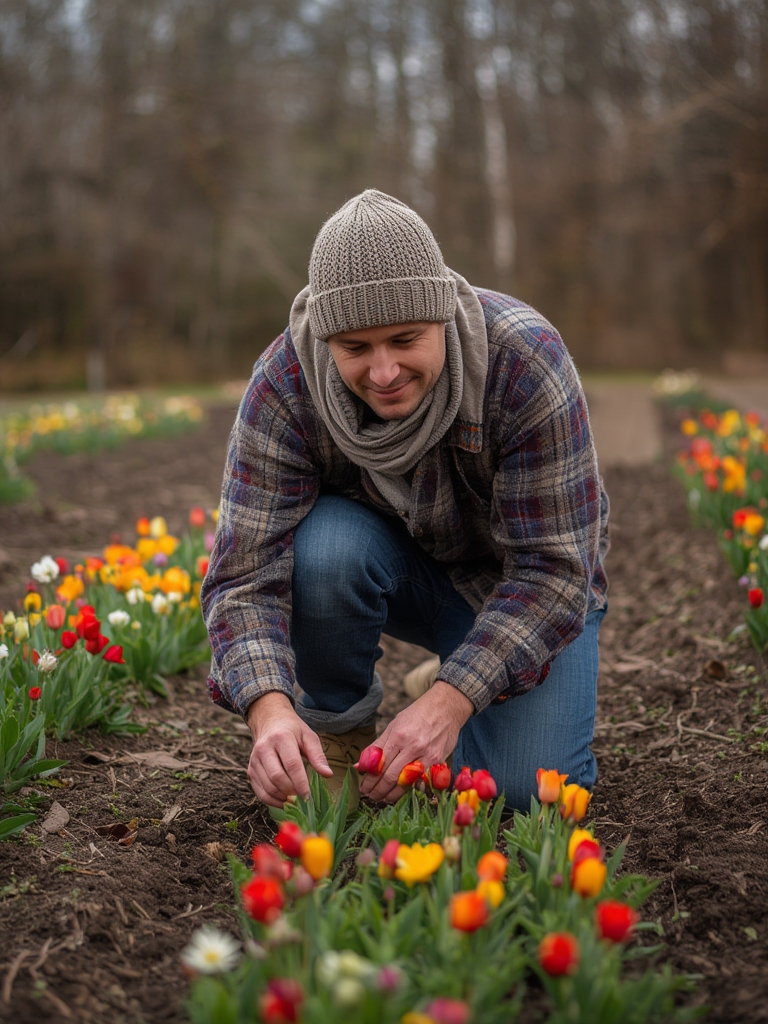
- Assess Overwintering Plants: Check on dormant perennials, bulbs, and tender plants stored indoors. Ensure they have adequate ventilation and aren’t drying out completely.
- Dormant Pruning: For deciduous trees and shrubs (those that lose their leaves), February is an excellent time for dormant pruning. Remove dead, diseased, or crossing branches to improve plant health and structure.
- Start Seeds Indoors: Begin sowing seeds for slow-growing annuals, perennials, and cool-season vegetables like lettuce, spinach, and broccoli. Ensure they have plenty of light.
- Force Branches Indoors: Bring cut branches of early-blooming trees and shrubs (like forsythia, pussy willow, or cherry) indoors. Place them in water, and in a few weeks, they’ll unfurl beautiful blooms, adding a touch of spring to your home.
- Inspect Bulbs: Check stored bulbs for rot or mold. Discard any that are soft or damaged to prevent disease spread.
- Prepare Raised Beds: If the soil isn’t frozen solid, lightly amend raised beds with compost or other organic matter. This allows nutrients to begin breaking down before planting.
- Clean and Sanitize Pots: Wash any old pots or seed trays with a diluted bleach solution (1 part bleach to 9 parts water) to kill off lingering pathogens.
Planting, Pruning & Maintenance Tips
While the ground might still be hard, there’s plenty you can do to encourage growth and maintain your existing plants.
Planting Tips for February
- Indoor Seed Starting: This is the prime time to start seeds for many popular plants. Think vibrant petunias, cheerful impatiens, and early herbs. Always follow seed packet instructions for specific timing.
- Bare-Root Plants: If your soil is workable and not frozen, February can be a good time to plant bare-root trees and shrubs. They establish well before the demands of summer heat.
- Early Bulbs: In milder climates, or during a warm spell, very early blooming bulbs like snowdrops and some crocuses might still be planted if you missed the fall window. These are charming february flowers.
Pruning Tips
- Deciduous Trees & Shrubs: Focus on removing dead, damaged, or crossing branches. Shape your plants for better air circulation and light penetration.
- Avoid Spring Bloomers: Do NOT prune spring-flowering shrubs (like lilacs, forsythia, or rhododendrons) now, as you’ll remove their flower buds. Wait until after they bloom.
- Roses: In many regions, late February is a good time for dormant rose pruning to encourage vigorous spring growth.
Maintenance Tips
- Monitor Indoor Plants: Keep an eye on houseplants for pests like spider mites or mealybugs. Adjust watering as light levels slowly increase, but avoid overwatering.
- Watering: Outdoor plants generally don’t need watering in February, but check evergreens, especially if the ground is dry but not frozen, as they can suffer from winter desiccation.
- Bird Feeders: Keep bird feeders full! Birds are still relying on supplemental food during colder months, and they’re excellent pest controllers later in the season.
Season-Specific Mistakes
Even experienced gardeners can make mistakes. Being aware of these common February blunders can save you a lot of heartache.
- Pruning Spring-Flowering Shrubs: The biggest mistake! As mentioned, you’ll lose all those beautiful spring blooms. Always know when your plants naturally flower before you prune.
- Working Waterlogged Soil: If your garden beds are wet and soggy from snowmelt or rain, resist the urge to dig or walk on them. Compacting wet soil destroys its structure, making it harder for roots to grow. Wait until it dries out a bit.
- Starting Seeds Too Early Without Enough Light: While exciting, starting seeds too early without adequate grow lights will result in leggy, weak seedlings that struggle to thrive. More light is almost always better.
- Overwatering Indoor Plants: With shorter days and cooler indoor temperatures, plants use less water. Allow the top inch or two of soil to dry out before watering again.
Preparation for Next Season (Spring!)
February is truly the bridge to spring. Your efforts now will pay off handsomely in the coming months.
- Finalize Garden Plans: Confirm your plant choices, garden layout, and seed orders. Having a clear plan makes spring planting much smoother.
- Compost Care: Turn your compost pile to encourage decomposition. This will help create nutrient-rich soil amendments for spring planting.
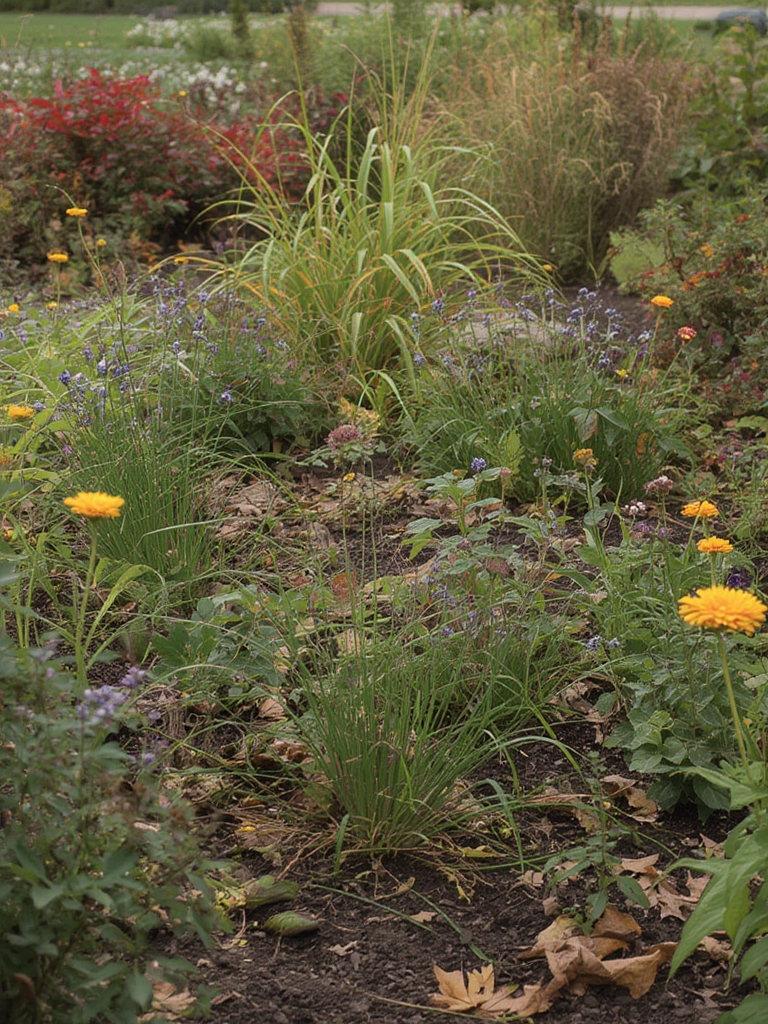
- Clean Up Garden Beds: As weather permits, remove any remaining weeds or debris. Consider adding a layer of fresh compost to enrich the soil.
- Inspect Irrigation Systems: While not in use, a quick check of hoses, sprinklers, and irrigation lines can highlight any repairs needed before spring.
- Research Companion Planting: Think about beneficial plant pairings for pest control and improved growth, especially for your vegetable garden.
Conclusion
February might be short, but it’s a mighty month for gardeners. By dedicating a little time to planning, maintenance, and early planting, you’re not just tiding over the winter; you’re actively nurturing the foundation for a vibrant, abundant spring and summer garden. Embrace the quiet anticipation, enjoy the small victories of emerging seedlings, and know that every task you complete now contributes to the beauty that is yet to come. Soon enough, your garden will be brimming with life, including gorgeous february flowers and beyond. Happy gardening!
FAQs
Q1: What flowers typically bloom in February?
A: While many parts of the world are still cold, certain hardy flowers brave the chill. These often include snowdrops (Galanthus), winter aconites (Eranthis hyemalis), early crocuses, and hellebores (Lenten Rose). The traditional february birth flower is often considered the primrose or the violet flower, which, depending on your climate, may also start to show their cheerful faces.
Q2: Can I plant anything outdoors in February?
A: It depends heavily on your local climate and soil conditions. If the ground is not frozen and is workable, you might be able to plant bare-root trees and shrubs. In very mild climates, certain hardy early-spring annuals or cool-season vegetables might be direct-sown. However, for most regions, outdoor planting is limited, and indoor seed starting is the primary focus.
Q3: What should I prune in February?
A: February is ideal for “dormant pruning” on most deciduous trees and shrubs that flower in summer or fall. This means pruning while they are without leaves and not actively growing. Focus on removing dead, diseased, or crossing branches. Absolutely avoid pruning spring-flowering shrubs, as you’ll remove their flower buds.
Q4: How do I prepare my garden beds for spring during February?
A: If the soil isn’t waterlogged or frozen, you can start by clearing any remaining debris, weeds, or spent plants. You can also lightly top-dress beds with a layer of compost or well-rotted manure, allowing the nutrients to leach into the soil before spring planting. Avoid heavy digging if the soil is too wet.
Q5: What indoor tasks should I prioritize in February?
A: Your main indoor tasks should include planning your spring garden, taking inventory of seeds, ordering new seeds, starting cool-season vegetable seeds and slow-growing flower seeds under grow lights, and tending to your houseplants (checking for pests, adjusting watering). It’s also a great time to clean and sharpen your gardening tools.