
February Garden Checklist: Pruning, Planting & Preparation Guide
February Garden Checklist: Pruning, Planting & Preparation Guide
Welcome, fellow garden enthusiasts! As the chill of winter still lingers, February might seem like a quiet month in the garden, but for those in the know, it’s a time of quiet anticipation and crucial groundwork. This isn’t a month to simply dream of spring; it’s a vital period for laying the foundation for a vibrant and productive gardening season ahead.
Whether you’re a seasoned green thumb or just dipping your toes into the rewarding world of gardening, understanding the specific February gardening tasks can make all the difference. From essential pruning to planning your first cool-season crops, February offers a unique window to prepare your garden for its grand awakening. Think of it as your garden’s wake-up call, and we’re here to guide you every step of the way with a beginner-friendly approach.
Let’s roll up our sleeves and discover how to make the most of this transitional month, ensuring your garden bursts into life with vigor and beauty when spring officially arrives!
Tools & Tasks for This Season
February gardening isn’t about heavy lifting; it’s about precision and preparation. Having the right tools on hand will not only make your tasks easier but also ensure the health of your plants. Think of them as extensions of your passion!
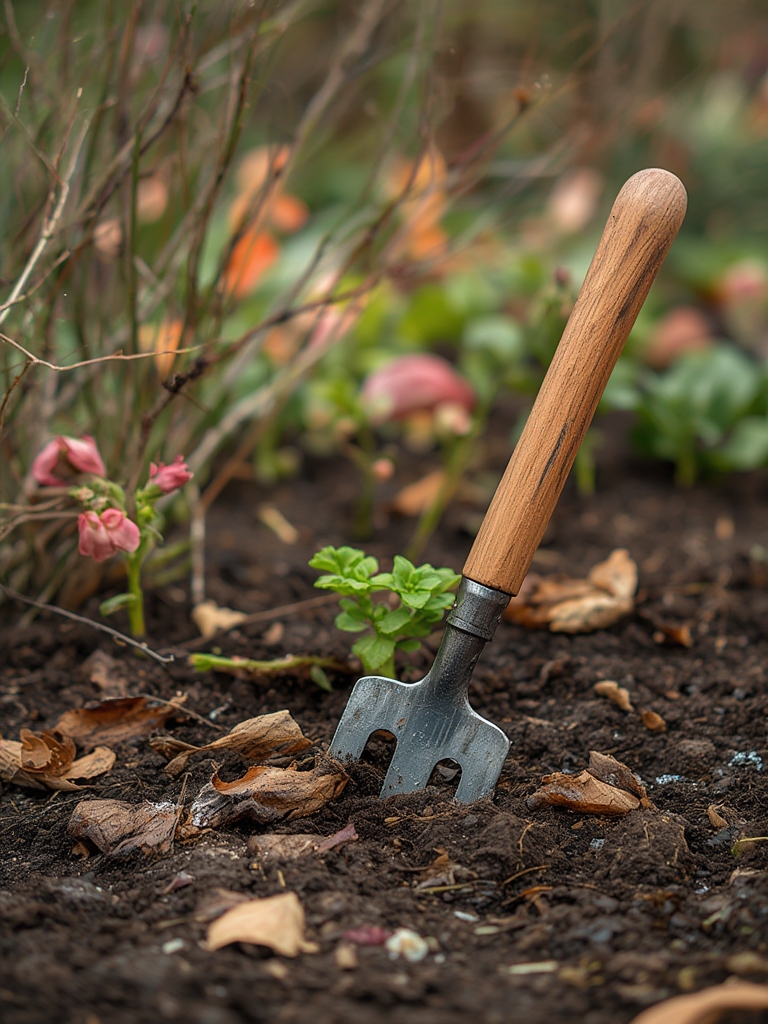
Essential Tools for Your February Efforts:
- Sharp Pruners: Hand pruners (bypass for live wood, anvil for dead wood) are indispensable for tidying up and shaping. Make sure they are clean and sharp to prevent disease transmission and ensure clean cuts.
- Loppers: For thicker branches that your hand pruners can’t handle, loppers provide the extra leverage needed.
- Pruning Saw: For even larger branches, a small pruning saw will be necessary.
- Gloves: Protect your hands from thorns, dirt, and sap.
- Garden Fork & Spade: For turning soil, incorporating compost, and general bed preparation.
- Hand Trowel: Perfect for smaller planting jobs, digging out weeds, and working in tight spaces.
- Seed Starting Trays & Mix: If you’re starting seeds indoors, these are crucial.
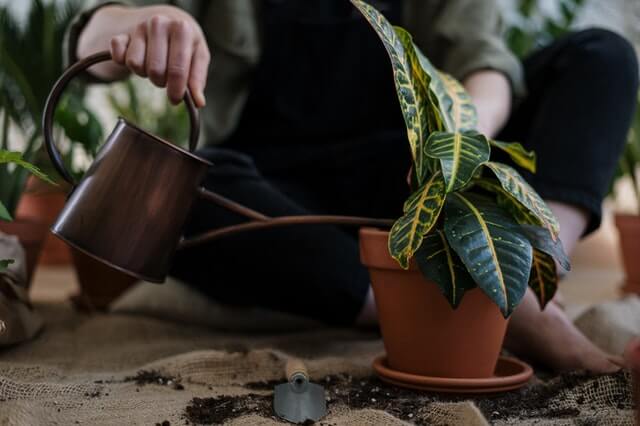
- Watering Can or Hose with Gentle Nozzle: For careful watering of new plants and indoor seedlings.
- Wheelbarrow or Garden Cart: Handy for moving compost, mulch, or garden debris.
- Soil Test Kit: A simple kit can give you valuable insights into your soil’s needs before spring planting.
Key Tasks You’ll Be Focusing On:
During February, your main efforts will revolve around:
- Dormant Pruning: Shaping trees and shrubs while they are asleep, preventing diseases and promoting vigorous growth.
- Soil Enrichment: Preparing your garden beds for new life by amending the soil.
- Seed Starting: Getting a head start on warm-season crops indoors.
- Planning & Ordering: Finalizing your garden layout and ordering any necessary seeds or bare-root plants.
- Tool Maintenance: Cleaning and sharpening your tools after a season of rest.
These February gardening tasks set the stage for a spectacular spring, transforming your garden dreams into reality.
Seasonal Gardening Checklist
Now, let’s dive into the actionable steps. This February garden checklist cool season planting guide will walk you through what needs to be done, ensuring you’re well-prepared for the coming seasons. Remember, gardening is a journey, and February is a beautiful start!
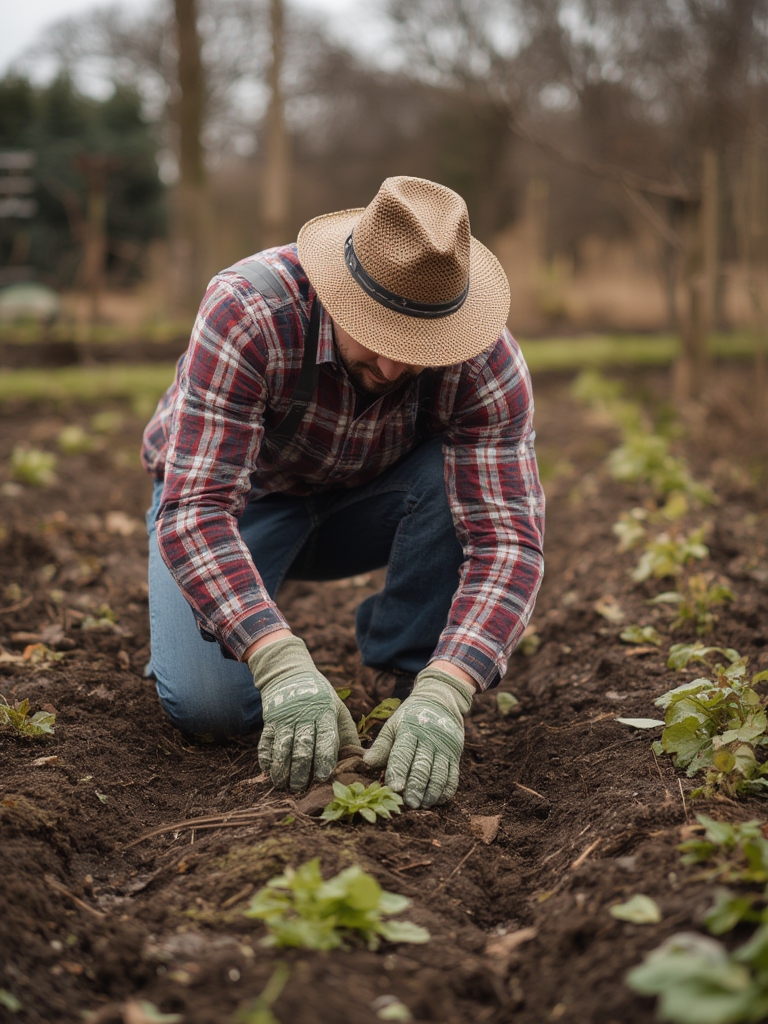
Here’s your comprehensive checklist for February gardening tasks:
Garden Beds & Soil Preparation
- Clear Debris: Remove any lingering dead leaves, fallen branches, or spent annuals from garden beds. This reduces hiding spots for pests and diseases.
- Weed Early: Tackle emerging weeds, especially perennial ones, before they get established. It’s much easier to pull them when they’re small and the soil is damp.
- Test Your Soil: If you haven’t done it recently, now is a great time for a soil test. This will tell you what nutrients your soil needs, so you can amend it appropriately before planting.
- Add Organic Matter: Incorporate a generous layer of compost, well-rotted manure, or other organic matter into your empty garden beds. This improves soil structure, drainage, and fertility, creating a welcoming environment for new plants.
- Prepare Raised Beds: Top up any raised beds with fresh soil mix and compost.
Pruning & Maintenance
- Dormant Prune Deciduous Trees & Shrubs: For most deciduous trees and shrubs (those that lose their leaves in winter), late winter/early spring is the ideal time to prune. Remove dead, damaged, or diseased branches. Thin out crossing branches and shape the plant.
- Prune Fruit Trees: This is crucial for apples, pears, peaches, plums, and cherries. Prune to encourage good air circulation, remove water sprouts and suckers, and shape the tree for better fruit production.
- Prune Roses: Hybrid Teas, Floribundas, and Grandifloras benefit from a good February prune. Remove old, weak, or crossing canes and cut back strong canes by about a third to an inch above an outward-facing bud.
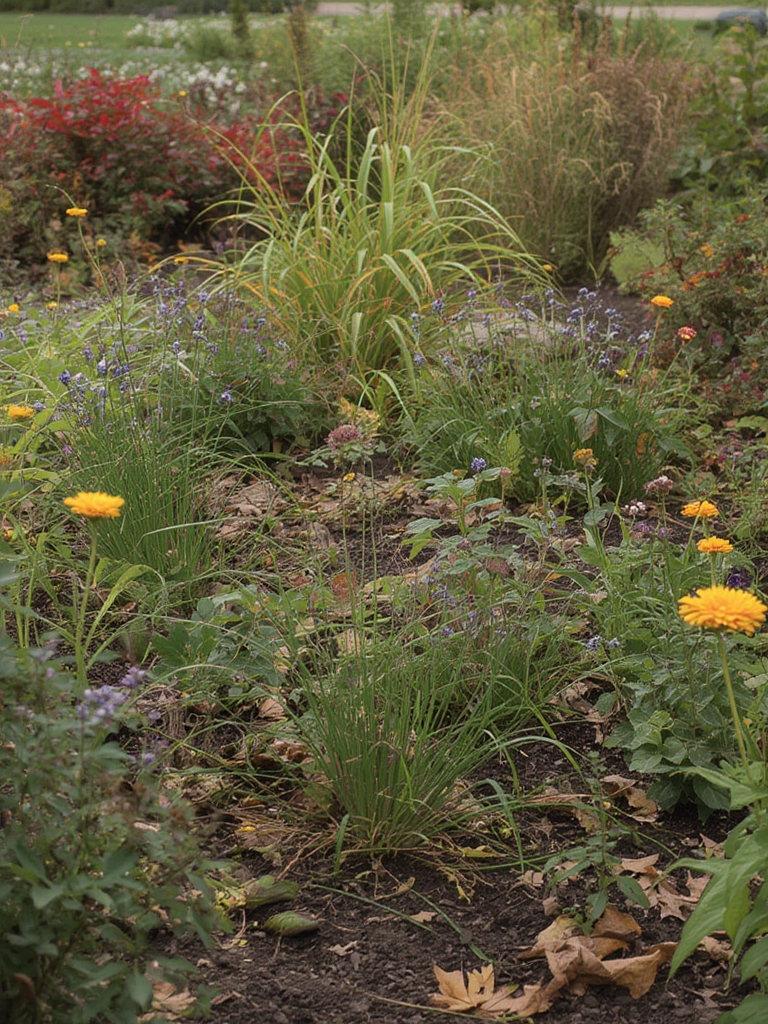
- Cut Back Perennials & Ornamental Grasses: If you left them standing for winter interest or wildlife, now is the time to cut back faded perennial foliage and ornamental grasses to about 4-6 inches above the ground before new growth emerges.
- Inspect Tools: Clean, sharpen, and oil your pruning shears, loppers, and saws. This extends their life and prevents diseases from spreading between plants.
Planting & Propagation
- Start Seeds Indoors: This is prime time for starting seeds indoors for warm-season crops like tomatoes, peppers, eggplant, and some flowers that need a long growing season. Use sterile seed-starting mix and provide adequate light.
- Plant Bare-Root Stock: February is an excellent time to plant bare-root trees, shrubs, roses, and perennial fruits like strawberries and raspberries. Their dormant state helps them establish quickly.
- Cool-Season Vegetable Planting (Zone Dependent): In milder climates, you can begin planting hardy cool-season vegetables like peas, spinach, lettuce, radishes, carrots, and brassicas (cabbage, broccoli) directly into the garden. For colder zones, prepare the soil for an early March planting. This is a key part of your February garden checklist cool season planting strategy.
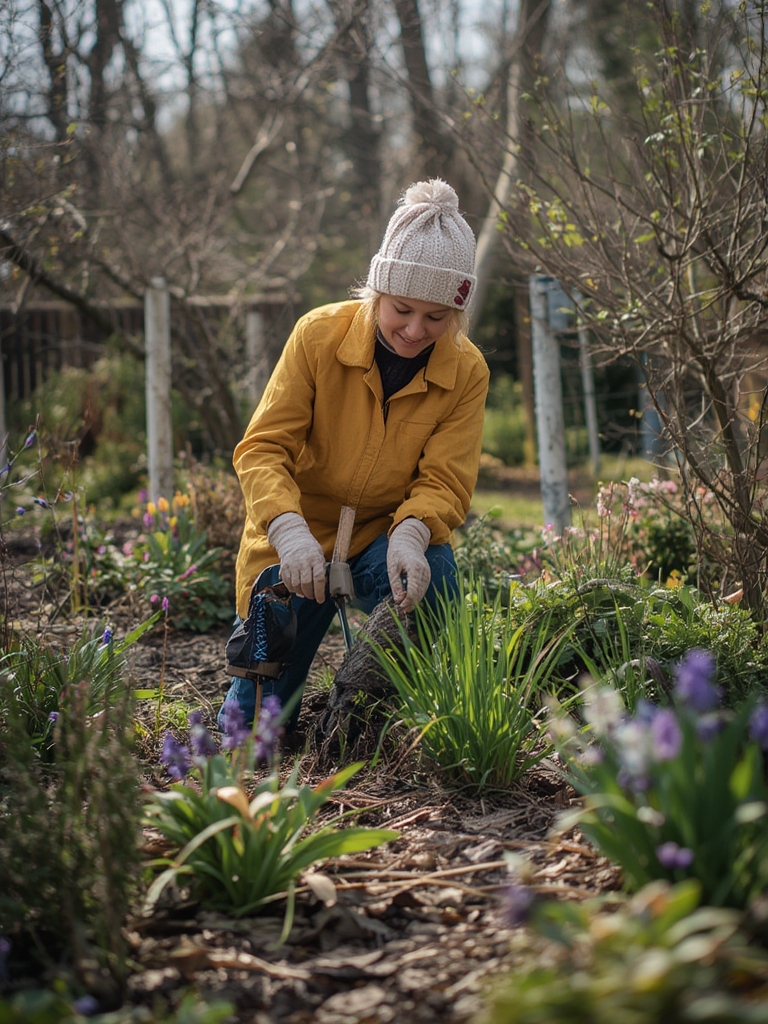
- Divide Perennials: If your hostas, daylilies, or other clumping perennials are overgrown, you can divide them now before new growth fully emerges.
Planning & Preparation
- Review Last Year’s Notes: What worked well? What didn’t? Use your garden journal to inform your plans for the new season.
- Plan Your Garden Layout: Sketch out your vegetable and flower beds. Consider crop rotation for vegetables to prevent nutrient depletion and disease build-up.
- Order Seeds & Supplies: Ensure you have all the seeds, potting mix, fertilizers, and other supplies you’ll need for spring planting. Popular varieties can sell out quickly.
- Clean Greenhouses/Cold Frames: If you have one, clean it thoroughly to eliminate pests and diseases, and prepare it for new seedlings.
- Check Irrigation Systems: Inspect drip lines, hoses, and sprinklers for any damage or leaks to ensure they’re ready for warmer weather.
By systematically working through this checklist, you’ll be well on your way to a thriving garden come spring!
Planting, Pruning & Maintenance Tips
Mastering these core gardening practices in February will significantly impact your garden’s success. Let’s delve a little deeper into the “how-to.”
Pruning for Health and Vigor
- Timing is Key: For deciduous plants, pruning in late winter (February) is ideal because the plant is dormant, making it easier to see the structure and minimizing stress. Plus, there are no leaves to get in the way!
- Clean Cuts: Always use sharp, clean tools. This prevents ragged wounds that invite disease and helps the plant heal faster. Wipe blades with rubbing alcohol between plants if you suspect disease.
- The “Three D’s”: When pruning, always start by removing any Dead, Damaged, or Diseased branches. These are detrimental to the plant’s health.
- Shape & Airflow: After the D’s, focus on removing crossing branches that rub against each other, and thin out overcrowded areas to improve air circulation. This helps prevent fungal diseases.
- Open Center: For fruit trees, aim for an “open vase” or “modified central leader” shape that allows sunlight to penetrate the canopy, encouraging better fruit production.
Smart Planting in February
- Bare-Root Benefits: Bare-root plants are often more economical and establish quickly. When planting, make sure the roots are spread out, and the crown (where the stem meets the roots) is at soil level. Water thoroughly.
- Cool-Season Veggies: For crops like lettuce, spinach, peas, and radishes, ensure your soil is workable (not frozen or waterlogged). In colder regions, consider using row covers or cold frames to protect early plantings from unexpected freezes. This provides a gentle microclimate for your February garden checklist cool season planting.
- Seed Starting Indoors:
- Good Light: Provide plenty of light, ideally from grow lights, for 14-16 hours a day. Windowsills often don’t offer enough intensity, leading to leggy seedlings.
- Proper Moisture: Keep seed-starting mix consistently moist but not waterlogged.
- Temperature: Follow seed packet recommendations for ideal germination temperatures. A heating mat can be very helpful for many warm-season crops.
Ongoing Maintenance & Observation
- Monitor for Pests & Diseases: Even in winter, some pests or early signs of disease can appear. A walk through your garden, especially checking under mulch or around dormant plants, can catch problems early.
- Check Stored Bulbs/Tubers: If you stored dahlias, gladioli, or cannas, check them for any signs of rot or shriveling. Discard any that are unhealthy.
- Watering (If Needed): While winter generally means less watering, if you have newly planted evergreens or a prolonged dry spell, check the soil moisture and water if necessary, especially if the ground isn’t frozen.
- Mulch Management: If your mulch has compacted, you might want to gently turn it or add a fresh layer. Mulch helps retain moisture, suppress weeds, and regulate soil temperature.
By focusing on these thoughtful practices, your February gardening tasks will be effective and enjoyable.
Season-Specific Mistakes to Avoid
Even with the best intentions, it’s easy to make a few missteps in February. Being aware of these common errors can save you time, effort, and potential plant problems.
- Pruning Too Early (or Too Late): While many plants benefit from dormant pruning in February, some spring-flowering shrubs (like lilacs, forsythia, and rhododendrons) set their buds on old wood. Pruning them now would mean cutting off their spring flowers. Wait until after they bloom to prune these. Conversely, don’t wait until new growth is well underway for dormant pruning, as this can stress the plant.
- Planting Warm-Season Crops Too Soon: The temptation to get a head start is strong, but planting tomatoes, peppers, or basil outdoors when there’s still a risk of frost can be disastrous. These plants are very sensitive to cold. Stick to cool-season plants for direct sowing, or keep your warm-season seedlings indoors under protection. This is critical for success with your February garden checklist cool season planting.
- Neglecting Soil Preparation: Rushing to plant without adequately preparing your soil is a missed opportunity. Healthy soil is the foundation of a healthy garden. Take the time to clear debris, amend with compost, and test its composition.
- Overwatering Indoor Seedlings: While seedlings need consistent moisture, overwatering can lead to “damping-off disease,” a fungal infection that causes seedlings to collapse at the soil line. Ensure good drainage and allow the top layer of soil to dry slightly between waterings.
- Ignoring Tool Hygiene: Using dirty or dull tools can spread plant diseases and make pruning harder, potentially damaging your plants. A quick clean and sharpen can prevent a lot of headaches later.
- Starting Too Many Seeds: It’s easy to get carried away when starting seeds indoors. Be realistic about the space you have for growing and the number of plants you actually need. Overcrowding seedlings leads to weak plants.
By sidestepping these common errors, your February gardening tasks will be much more effective and rewarding!
Preparation for Next Season
February isn’t just about what’s happening now; it’s a strategic stepping stone to the future. Thinking ahead ensures a seamless transition into the bustling spring and summer months.
- Spring Bulb Care: Keep an eye on your spring-flowering bulbs (tulips, daffodils, hyacinths) as their shoots start to emerge. Protect them from late frosts if necessary with a layer of mulch or a light covering.
- Hardening Off Seedlings: If you’ve started seeds indoors, you’ll soon need to begin the “hardening off” process. This gradually acclimates your seedlings to outdoor conditions (sun, wind, temperature fluctuations) before transplanting. Start planning a sheltered spot for this.
- Finalize Garden Layouts: With a clear picture of your garden beds after February’s cleanup, now is the perfect time to finalize where everything will go. Consider sunlight patterns, mature plant sizes, and companion planting relationships.
- Continue Pest & Disease Patrol: As temperatures slowly rise, pests and diseases will become more active. Regularly inspect your plants and be prepared to address any issues promptly.
- Stock Up on Mulch: Have a fresh supply of mulch ready for when you begin transplanting. A layer of mulch around new plantings helps retain moisture, regulate soil temperature, and suppress weeds.
- Plan for Succession Planting: For your vegetable garden, start thinking about what you’ll plant after your first round of cool-season crops. This maximizes your harvest throughout the year.
By proactively addressing these future needs, your garden will be ready to thrive when the seasons turn.
Conclusion
As you can see, February is far from a dormant month in the gardening world. It’s a powerhouse of preparation, a silent promise of the abundance to come. By dedicating time to these essential February gardening tasks, you’re not just tilling soil or pruning branches; you’re nurturing the very potential of your garden.
From strategic pruning that encourages vigorous growth to the hopeful act of starting seeds indoors, every effort you make now contributes to a healthier, more beautiful, and more productive garden later. Embrace this transitional period, armed with your checklist and a newfound understanding of what your garden needs.
So, don’t let the last whispers of winter fool you. Get out there, get your hands dirty, and set the stage for a spectacular spring. Happy gardening, and here’s to a flourishing season ahead!
FAQs
Q1: Can I really start planting anything outdoors in February?
A1: Yes, absolutely! In many regions, February is ideal for planting hardy cool-season vegetables like peas, spinach, lettuce, radishes, carrots, and kale. It’s also a prime time for planting bare-root trees, shrubs, and roses. Always check your local hardiness zone and watch for sustained soil temperatures above freezing. This is key for your February garden checklist cool season planting.
Q2: When is the best time to prune roses in February?
A2: For most modern rose varieties (Hybrid Teas, Floribundas, Grandifloras), late February to early March is ideal in many climates, just as the buds start to swell. The goal is to prune when the plant is still dormant but before significant new growth has begun. Always remove dead, damaged, or weak canes first, then shape the plant.
Q3: What should I do if a late freeze is predicted after I’ve started planting?
A3: If you’ve planted cool-season vegetables or early spring flowers and a late freeze is expected, cover them! You can use row covers, old sheets, blankets, or even upside-down buckets to protect tender new growth overnight. Remove the covers in the morning once temperatures rise.
Q4: How do I know if my soil needs amending in February?
A4: The best way to know is by conducting a soil test. These kits are readily available at garden centers and provide valuable information about your soil’s pH and nutrient levels. Without a test, a general best practice for February gardening tasks is to incorporate a generous layer of well-rotted compost or other organic matter, which universally improves soil structure and fertility.
Q5: Is February too early to start seeds indoors for my summer garden?
A5: For many warm-season crops like tomatoes, peppers, and eggplant, February is actually the perfect time to start seeds indoors. These plants need a longer growing season, and starting them indoors gives them a head start before they can be safely transplanted outside after the last frost date. Always check seed packets for specific timing recommendations.