Garden Aesthetic Ideas: Natural, Sustainable & Beautiful
Garden Aesthetic Ideas: Natural, Sustainable & Beautiful
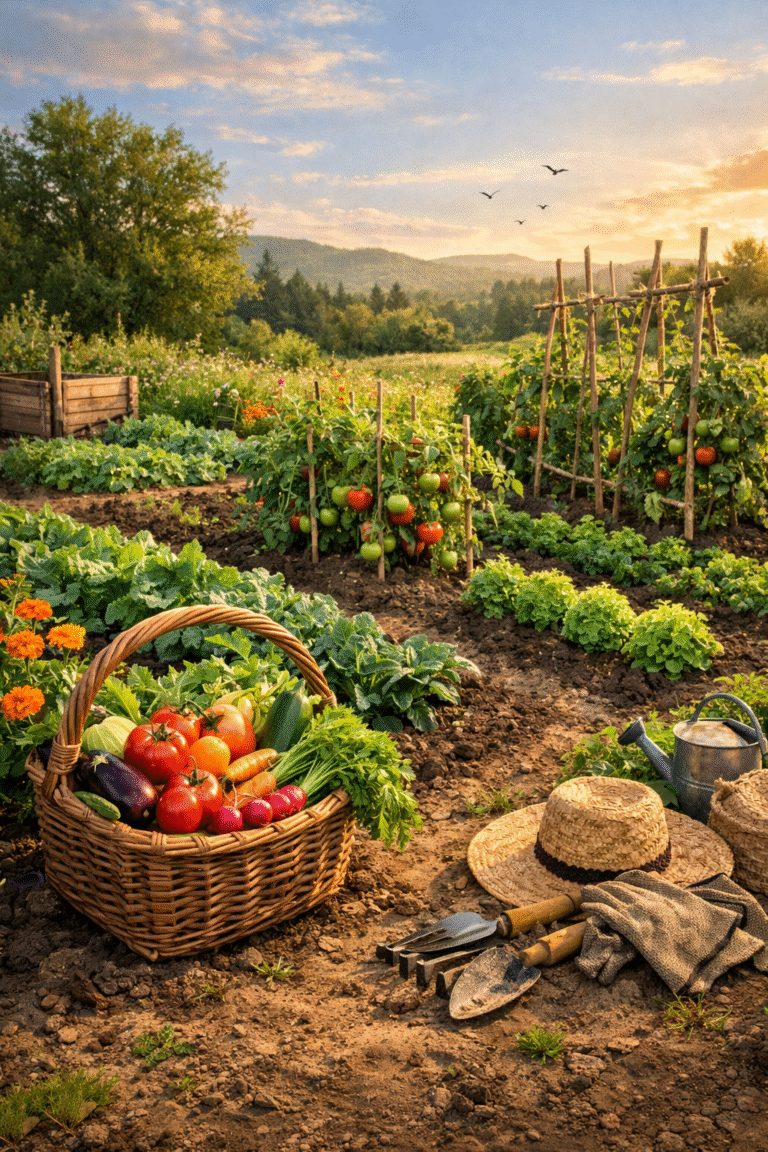
Dreaming of a backyard oasis that’s not only beautiful but also kind to the planet? You’ve come to the right place! Crafting a stunning garden aesthetic doesn’t have to mean sacrificing sustainability. In fact, the two go hand-in-hand, creating spaces that thrive with life and bring joy without harming the environment.
As an eco-gardening expert and passionate advocate for sustainable living, I’m here to guide you through transforming your outdoor space into an eco-friendly haven. This guide is packed with actionable tips for cultivating a natural, organic garden that will delight your senses and support local ecosystems. Let’s dig in!
Materials & Eco-Friendly Supplies for Your Garden Aesthetic
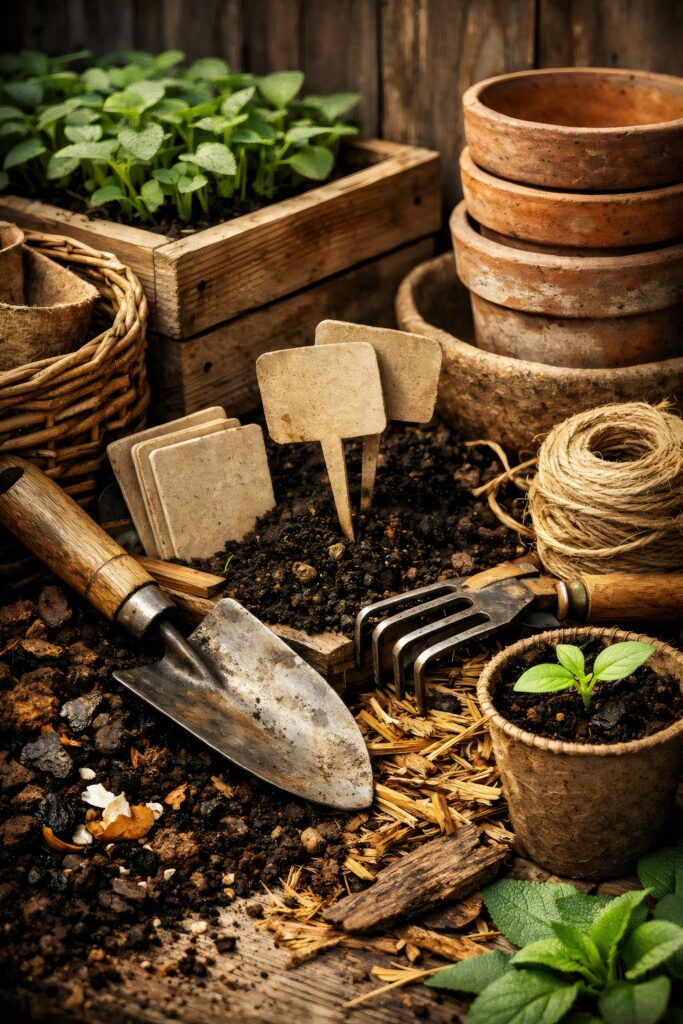
Before you start planting, gathering the right materials is crucial for an organic and sustainable garden. Investing in quality, eco-friendly supplies from the get-go sets you up for long-term success.
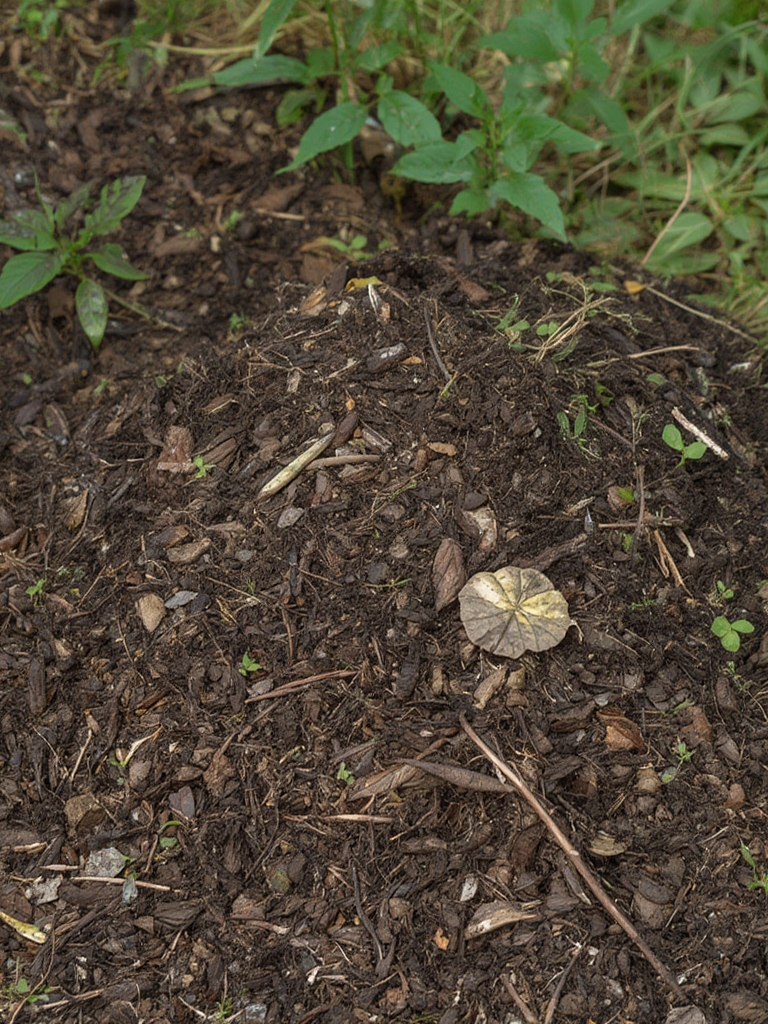
- Organic Soil & Compost: The foundation of any thriving garden. Look for certified organic potting mix and enrich your soil with homemade compost or locally sourced organic compost. This feeds your plants naturally and improves soil structure.
- Heirloom or Organic Seeds/Starts: Choose non-GMO, organic seeds or young plants. Heirloom varieties often offer unique beauty and better adaptation to local conditions.
- Natural Fertilizers: Say no to synthetic chemicals! Opt for worm castings, compost tea, bone meal, or kelp meal to nourish your plants.
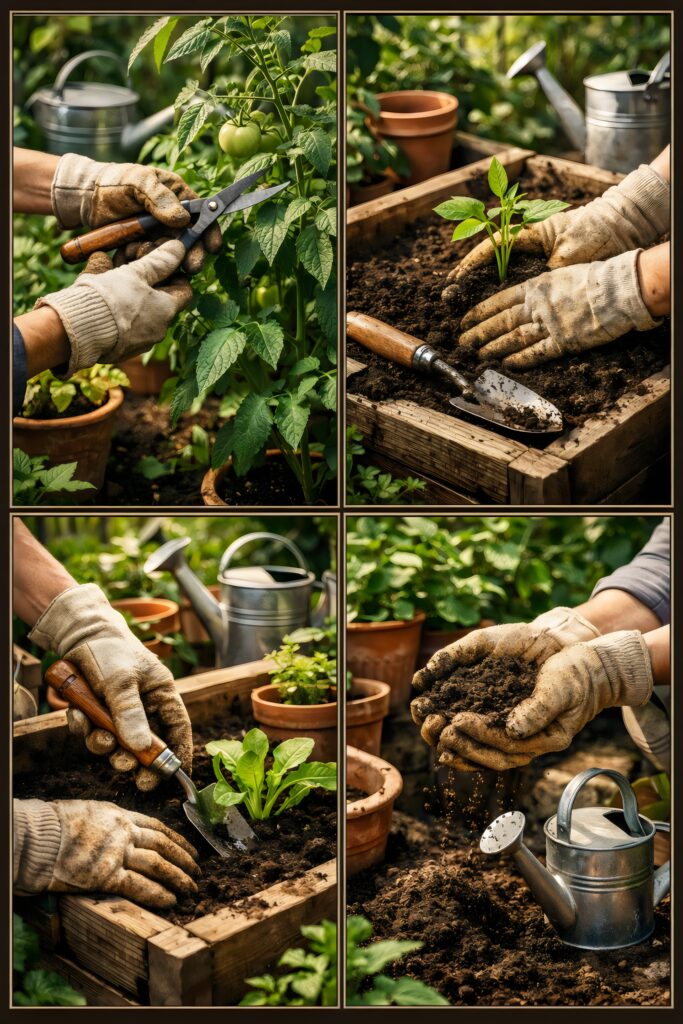
- Hand Tools: Quality hand trowels, pruners, and hoes reduce reliance on power tools, saving energy and fostering a more mindful gardening experience.
Step-by-Step Organic Method for a Beautiful Garden Aesthetic
Ready to get your hands dirty? Follow these steps to cultivate your natural, organic garden aesthetic:
- Plan Your Space: Start with a design. Consider sunlight patterns, water sources, and how different plants will interact. Sketch out your ideas, thinking about zones for vegetables, herbs, flowers, and even seating.
- Prepare Your Soil: This is vital. Clear any weeds (manually, avoid herbicides), then amend your soil generously with organic compost. A soil test can help you understand specific nutrient deficiencies.
- Choose Your Plants Wisely: Select plants native to your region or those well-suited to your local climate. They require less water, fertilizer, and pest intervention. Incorporate a mix of flowers, herbs, and vegetables for biodiversity and visual appeal.
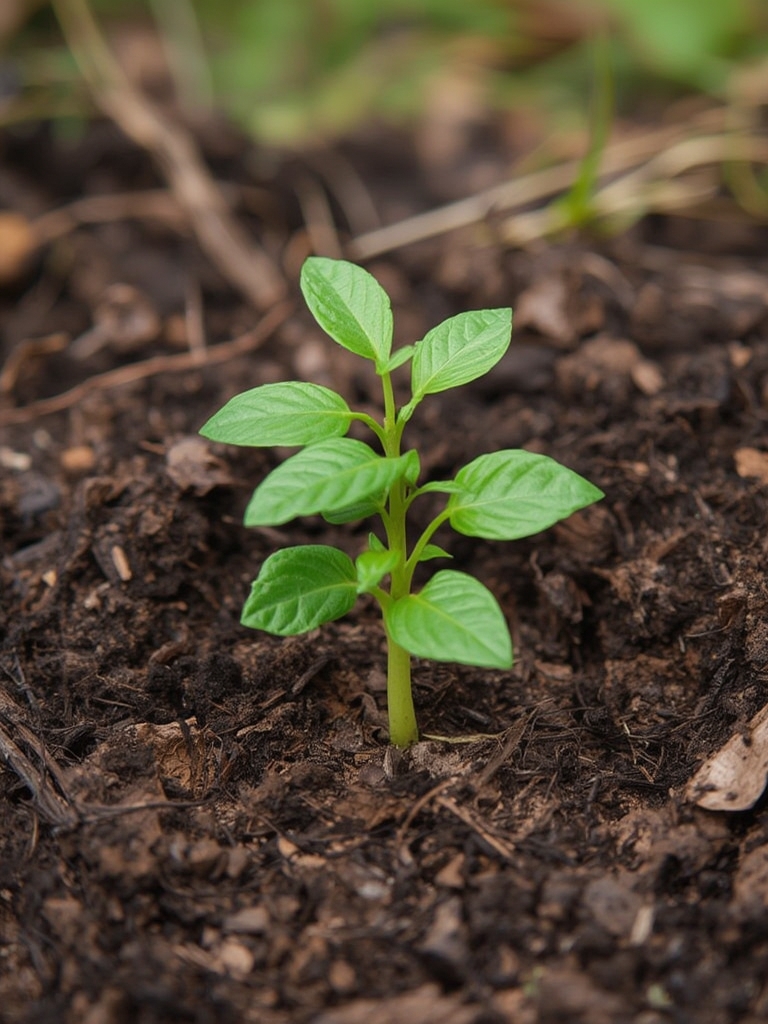
- Planting Time: Follow spacing guidelines for each plant. Dig holes large enough to accommodate roots comfortably, gently loosen root balls, and water thoroughly after planting.
- Mulch, Mulch, Mulch: Apply a layer of organic mulch (straw, wood chips, shredded leaves) around your plants. This suppresses weeds, retains soil moisture, and regulates soil temperature.
- Water Efficiently: Water deeply and less frequently to encourage strong root growth. Early morning is often best to minimize evaporation. Consider drip irrigation or soaker hoses for water conservation.
- Natural Pest & Disease Management: Embrace beneficial insects! Attract ladybugs, lacewings, and bees by planting their favorite flowers. Hand-pick larger pests, use neem oil for infestations, and ensure good air circulation to prevent fungal diseases.
- Regular Feeding: Supplement with compost tea or other organic liquid fertilizers every few weeks, especially for heavy feeders like vegetables.
Benefits of Organic Gardening
Beyond the immediate beauty of a vibrant garden aesthetic, organic gardening offers a wealth of advantages:
- Healthier Ecosystem: Supports beneficial insects, birds, and pollinators, increasing biodiversity.
- Improved Soil Health: Builds living soil rich in microorganisms, leading to better water retention and nutrient cycling.
- Pesticide-Free Produce: Enjoy fresh, chemical-free fruits, vegetables, and herbs directly from your backyard.
- Water Conservation: Healthy, mulched soil retains moisture, reducing the need for frequent watering.
- Reduced Carbon Footprint: Fewer synthetic inputs mean less energy expended in manufacturing and transport.
- Stress Relief & Connection: Gardening is a therapeutic activity, connecting you with nature and providing a sense of accomplishment.
Eco Tips & Sustainable Alternatives
Take your garden’s sustainability up a notch with these additional tips:
- Rainwater Harvesting: Install a rain barrel to collect water for irrigation, reducing your reliance on tap water.
- Companion Planting: Strategically plant different species together to deter pests, attract beneficial insects, and improve growth. Marigolds near tomatoes, for example.
- Build a Worm Bin: Vermicomposting turns kitchen scraps into nutrient-rich worm castings for your garden.
- Permaculture Principles: Explore permaculture design, which focuses on creating self-sustaining, regenerative ecosystems that mimic natural patterns. This is key for effective sustainable landscaping.
- DIY Garden Decor: Craft your own garden features from natural or reclaimed materials. Think stepping stones from old broken pottery or wind chimes from found objects.
Common Organic Mistakes to Avoid
Even seasoned gardeners make mistakes. Here are a few common pitfalls for beginners to sidestep:
- Impatience: Organic gardening is a journey, not a race. Soil health builds over time.
- Overwatering: This can lead to root rot and fungal issues. Always check soil moisture before watering.
- Ignoring Soil Prep: Skimping on soil amendments will limit your garden’s potential.
- Planting Too Close: Overcrowding reduces air circulation and increases competition for nutrients, inviting pests and diseases.
- Not Observing: Take time to watch your garden. Notice what’s thriving, what needs attention, and who your garden visitors are.
Maintenance & Long-Term Care for Your Garden Aesthetic
A beautiful, sustainable garden is an ongoing labor of love.
- Regular Weeding: Stay on top of weeds, especially when they’re young, to prevent them from competing with your plants.
- Succession Planting: For vegetables, plant small batches every few weeks to ensure a continuous harvest.
- Crop Rotation: Rotate where you plant certain crops each year to prevent nutrient depletion and break pest cycles.
- Pruning & Deadheading: Remove spent flowers (deadhead) to encourage new blooms and prune plants to maintain shape and health.
- Winterizing: Prepare your garden for winter by cleaning beds, mulching perennial plants, and protecting sensitive species.
Conclusion: Embrace Your Eco Garden Design Journey
Creating a natural, organic garden aesthetic is an incredibly rewarding experience. It’s a journey of learning, observing, and connecting with the natural world right outside your door. By choosing sustainable practices, you’re not just growing beautiful plants; you’re nurturing a healthier planet, one garden bed at a time.
Start small, learn as you go, and let your creativity blossom. Your eco-friendly haven awaits!
Ready to cultivate your dream garden? Share your favorite eco-friendly gardening tip in the comments below!
FAQs About Creating a Natural Garden Aesthetic
Q1: What is a “garden aesthetic” in an organic context?
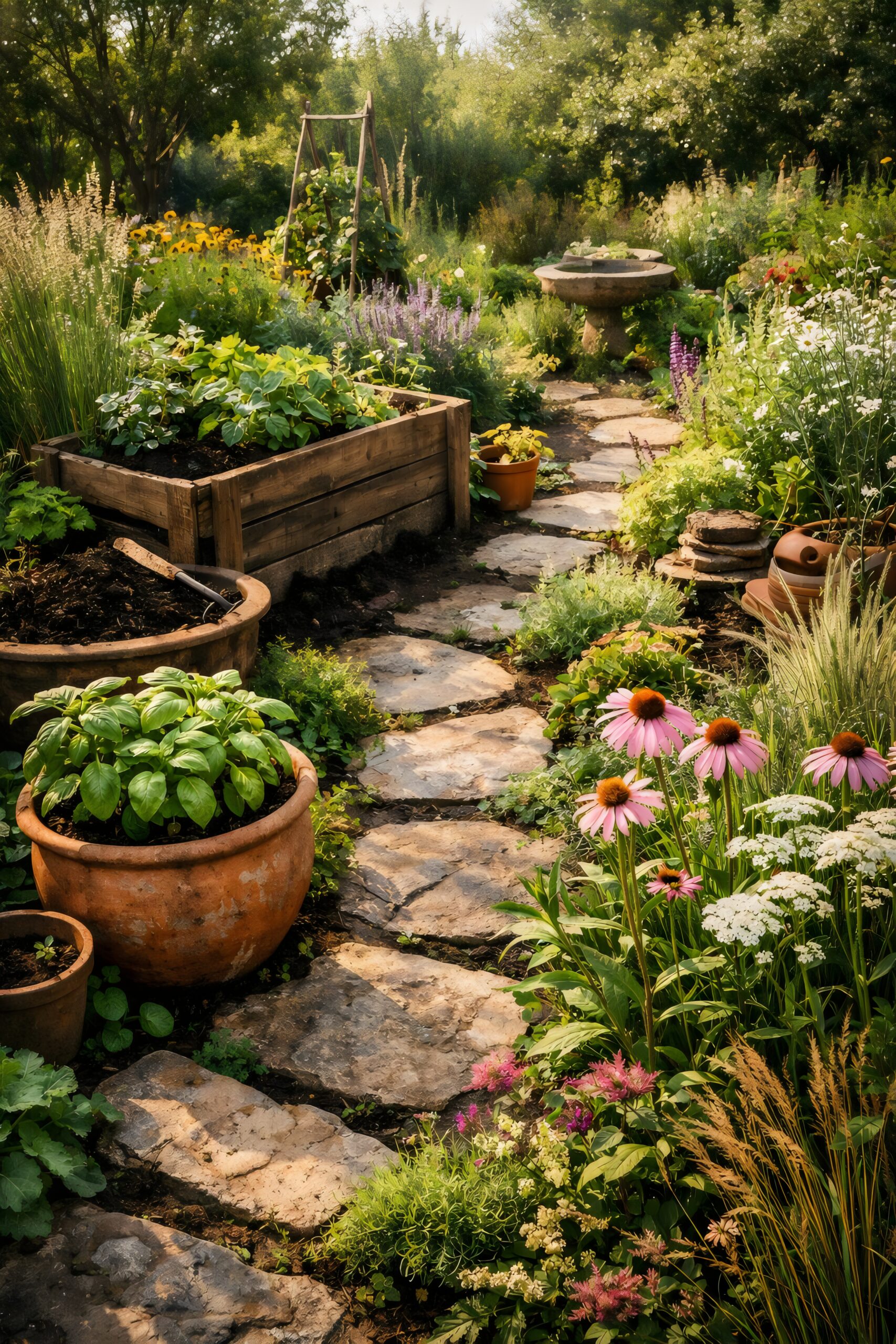
A: An organic garden aesthetic refers to designing your outdoor space using natural, sustainable principles. It focuses on creating beauty and harmony through plant choices, layout, and materials that are environmentally friendly, support biodiversity, and often embrace a more natural, less formal look.
Q2: How can I make my existing garden more sustainable?
A: Start by eliminating synthetic chemicals. Introduce compost, mulch beds, choose native plants, conserve water with drip irrigation or rain barrels, and encourage beneficial insects. Even small changes make a big difference!
Q3: Are organic gardens more expensive to set up?
A: Initial costs might seem slightly higher for organic soil amendments or heirloom seeds, but organic gardens often save money long-term. You’ll spend less on pesticides, herbicides, and excessive watering, and can even produce your own food.
Q4: What are the best plants for a beginner’s organic garden?
A: For edibles, consider easy-to-grow options like lettuce, radishes, bush beans, cherry tomatoes, and herbs like basil and mint. For ornamentals, marigolds, nasturtiums, coneflowers, and hostas are generally low-maintenance and beautiful. Always check for varieties suited to your local climate.
Q5: How do I control pests organically without chemicals?
A: Employ a multi-pronged approach: encourage beneficial insects (ladybugs, lacewings), use physical barriers (row covers), hand-pick pests, practice companion planting, and apply organic solutions like neem oil or insecticidal soap for serious outbreaks. A healthy soil ecosystem also makes plants more resilient to pests.