Garden Composting Tips: Speed Up Decomposition & Troubleshooting
Garden Composting Tips: Speed Up Decomposition & Troubleshooting
Welcome, fellow green thumb! If you’re looking to transform kitchen scraps and garden waste into nutrient-rich “black gold” for your plants, you’ve come to the right place. Composting is a cornerstone of sustainable gardening, offering an incredible way to enrich your soil naturally, reduce waste, and cultivate a thriving ecosystem in your backyard. But let’s be honest, sometimes the process can feel a little… slow, or even a bit smelly.
That’s why we’re diving deep into essential garden composting tips. We’ll cover everything from setting up your pile to understanding the perfect “recipe” for decomposition, all while arming you with clever tricks to speed up the process and tackle common issues. Get ready to turn your organic waste into a valuable resource your garden will adore!
Materials & Eco-Friendly Supplies for Your Compost Journey
Starting your composting adventure doesn’t require a lot of fancy equipment, but a few key items will make the process much smoother and more efficient. Opt for eco-friendly choices whenever possible to truly embrace sustainability!
- Compost Bin/Pile: You can go simple with a freestanding pile, build a pallet bin, or invest in a tumbler or worm bin. Choose what suits your space and budget.
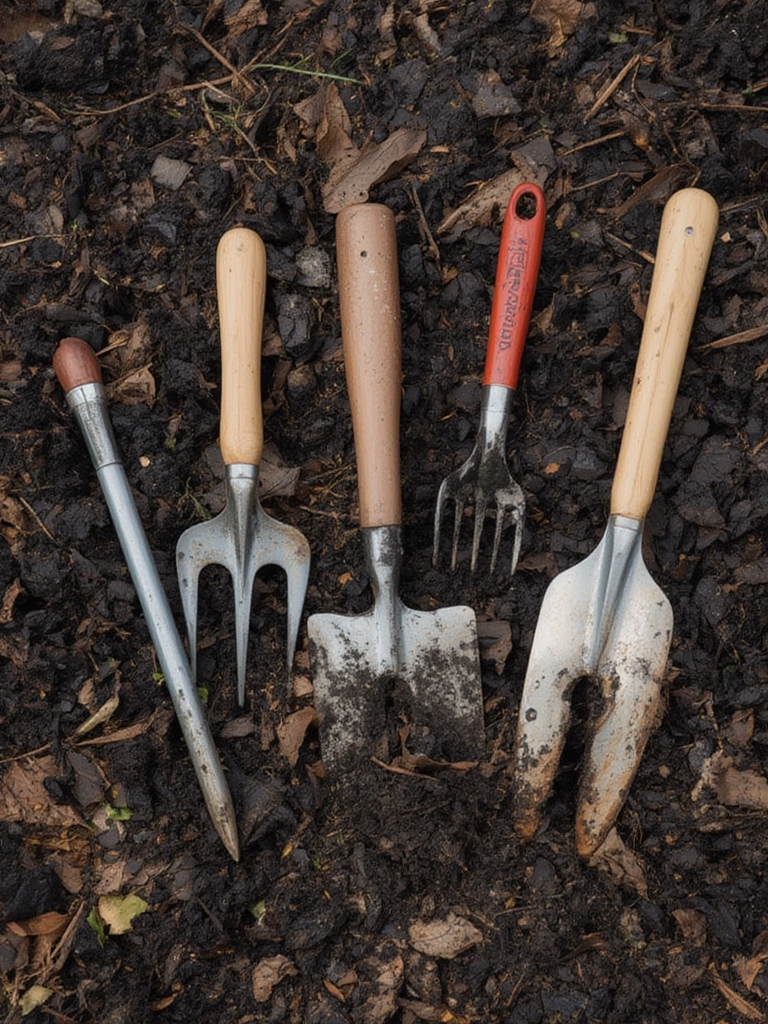
- Pitchfork or Aerator: Essential for turning your compost pile, which is crucial for aeration and speeding up decomposition.
- Watering Can/Hose: To maintain consistent moisture levels.
- Shovel: For mixing and harvesting finished compost.
- Gloves: Protect your hands from rough materials and microbes.
- Shredder (Optional but Recommended): A garden shredder or even a simple pair of pruners can help break down larger materials, significantly accelerating the composting process.
Step-by-Step Organic Composting Method
Ready to build your compost masterpiece? Follow these steps for a healthy, happy, and fast-decomposing pile.
1. Choose Your Location Wisely
Select a spot that’s partially shaded to prevent your pile from drying out too quickly, and ensure it’s easily accessible for adding materials and turning. Ideally, it should be well-drained but also close enough to a water source.
2. The Golden Ratio: Browns and Greens
This is the heart of effective composting! Composting works best when you have a good balance of “brown” (carbon-rich) and “green” (nitrogen-rich) materials. Aim for a ratio of roughly 2-3 parts browns to 1 part greens.
- Browns (Carbon): Dried leaves, straw, wood chips, shredded newspaper, cardboard, sawdust. These provide energy for the microbes.
- Greens (Nitrogen): Vegetable and fruit scraps, coffee grounds, tea bags, grass clippings, fresh plant trimmings. These provide protein for the microbes.
3. Layer by Layer (or Mix it Up!)
You can build your pile in layers, alternating browns and greens, or simply mix them together as you add new material. Start with a layer of coarse browns at the bottom for good drainage and airflow. Then, add layers of greens and browns, wetting each layer as you go, much like a damp sponge.
4. Keep it Moist, Not Soggy
Moisture is vital for the microbes that break down your organic matter. Your compost pile should feel like a wrung-out sponge – damp but not dripping wet. If it’s too dry, decomposition slows down. If it’s too wet, it can become anaerobic and stinky. Add water if it feels dry, or add more browns if it’s too wet.
5. Aerate, Aerate, Aerate!
Oxygen is crucial for the beneficial aerobic bacteria that drive decomposition. Turning your pile regularly (every few days to once a week) introduces oxygen, prevents compaction, and helps distribute moisture and heat evenly. This is one of the best garden composting tips for speeding things up!
The Wonderful Benefits of Organic Composting
Beyond just getting rid of waste, composting offers a cascade of benefits for your garden and the planet:
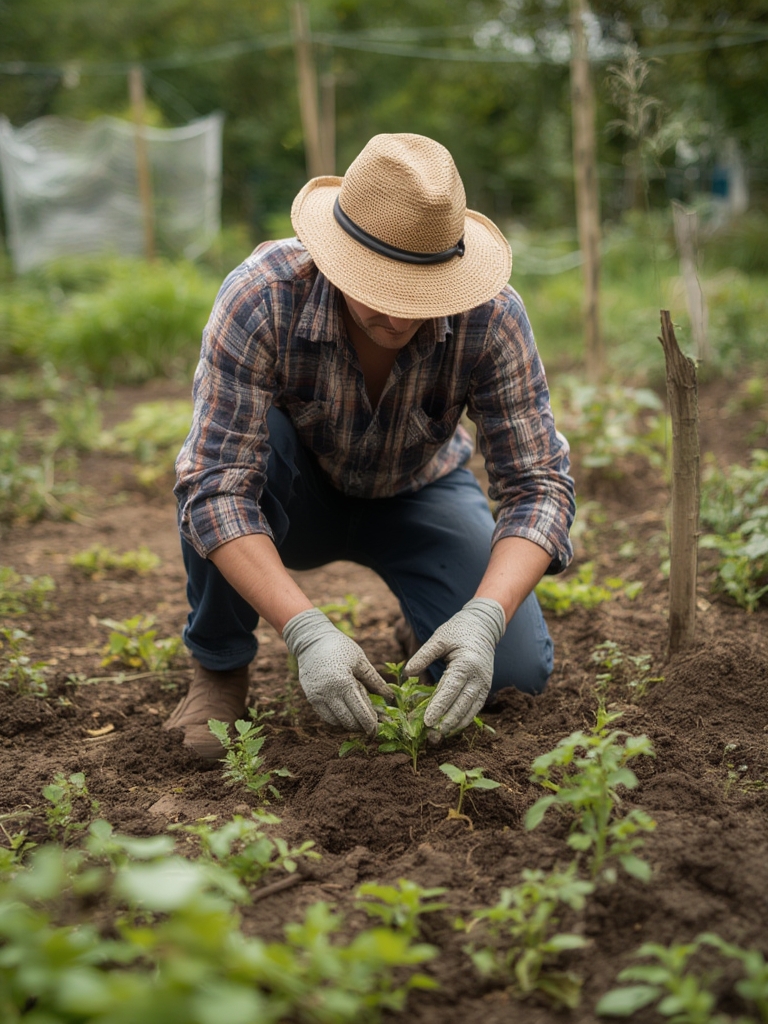
- Enriches Soil: Finished compost is teeming with beneficial microbes and essential nutrients, improving soil structure, drainage, and water retention. It’s like a multi-vitamin for your garden!
- Reduces Waste: Divert kitchen scraps and yard waste from landfills, lessening your environmental footprint.
- Boosts Plant Health: Healthier soil leads to stronger, more disease-resistant plants and often, higher yields.
- Attracts Beneficial Organisms: A healthy compost pile and soil encourage earthworms and other helpful creatures.
- Reduces Need for Chemical Fertilizers: By making your own nutrient-rich compost, you reduce reliance on synthetic soil amendments.
Eco Tips & Sustainable Alternatives
Take your composting game to the next level with these sustainable practices:
- Chop it Up: Smaller pieces break down faster! Chop kitchen scraps, prune yard waste, or even run brown materials through a shredder before adding them.
- Compost Tea: Once your compost is ready, you can brew “compost tea” by steeping finished compost in water. This liquid fertilizer provides a nutrient boost for plants.
- Rainwater Harvesting: Use rainwater to moisten your compost pile, conserving tap water and adding extra beneficial elements.
- Worm Composting (Vermicomposting): If space is limited or you want to compost indoors, a worm bin is an excellent option for breaking down food scraps quickly.
Common Organic Composting Mistakes & Troubleshooting
Even the most seasoned composters run into issues. Here’s how to troubleshoot common problems, especially concerning compost management troubleshooting speeding decomposition:
- Bad Odors (Rotten Egg/Ammonia Smell):
- Cause: Too much nitrogen (greens) or too much moisture, leading to anaerobic (oxygen-starved) conditions.
- Fix: Turn the pile thoroughly to introduce oxygen. Add more brown materials like dry leaves or shredded newspaper to absorb excess moisture and balance the carbon-nitrogen ratio.
- Pile Isn’t Heating Up/Decomposing Slowly:
- Cause: Lack of nitrogen, too much carbon, insufficient moisture, or lack of aeration.
- Fix: Add more green materials (grass clippings, coffee grounds). Ensure the pile is damp. Turn it frequently to aerate. Chopping materials into smaller pieces will also significantly speed up decomposition.
- Pests (Rodents, Flies):
- Cause: Adding meat, dairy, oily foods, or uncovered food scraps.
- Fix: Avoid animal products. Bury fresh food scraps deep within the pile or cover them with a layer of browns. Tumbler bins can help deter pests.
- Pile is Dry and Dusty:
- Cause: Not enough moisture.
- Fix: Add water, turning the pile as you do so to ensure even saturation.
- Pile is Slimy and Soggy:
- Cause: Too much moisture.
- Fix: Turn the pile to aerate and add dry brown materials like shredded cardboard or straw to soak up excess water.
Maintenance & Long-Term Care for Your Compost
Consistency is key for a thriving compost system.
- Regular Turning: Make it a habit to turn your pile every week or two. This ensures proper aeration and mixes the materials, encouraging even decomposition.
- Monitor Moisture: Check the moisture content every time you add new materials or turn the pile. Adjust by adding water or browns as needed.
- Feed Your Pile: Continue adding a balanced mix of greens and browns. Try to layer or mix new additions into the existing pile rather than just piling them on top.
- Observe and Learn: Pay attention to how your pile behaves. Does it heat up quickly? Does it start to smell? Your compost pile will teach you what it needs!
Conclusion: Harvest Your Garden’s Black Gold
Composting is more than just managing waste; it’s an act of nurturing your soil, supporting biodiversity, and embracing a truly sustainable lifestyle. By following these garden composting tips, you’ll not only speed up decomposition but also troubleshoot common issues, transforming your organic waste into a valuable resource for your plants.
So, roll up your sleeves, start your compost pile, and watch your garden flourish with the power of homemade, nutrient-rich soil! What are your favorite composting tricks? Share them in the comments below, and let’s keep growing together!
Frequently Asked Questions About Composting
Q1: What can and cannot be composted?
A1:
- Can: Fruit and vegetable scraps, coffee grounds, tea bags, eggshells, yard waste (leaves, grass clippings, small branches), shredded newspaper/cardboard.
- Cannot: Meat, dairy products, oily foods, pet waste (can contain pathogens), diseased plants (can spread disease), treated wood (chemicals), glossy paper (inks).
Q2: How long does it take for compost to be ready?
A2: The time varies greatly depending on factors like material size, moisture, aeration, and carbon-nitrogen balance. A hot, well-managed pile can be ready in 2-3 months, while a slower, passive pile might take 6-12 months or even longer. You’re looking for a dark, crumbly material that smells earthy.
Q3: Why does my compost pile smell bad?
A3: A healthy compost pile should smell earthy, like forest soil. A foul odor (rotten eggs, ammonia) usually indicates too much moisture, too much green material (nitrogen), or a lack of oxygen. Turn the pile, add dry brown materials, and ensure it’s not too wet.
Q4: How do I know when my compost is ready to use?
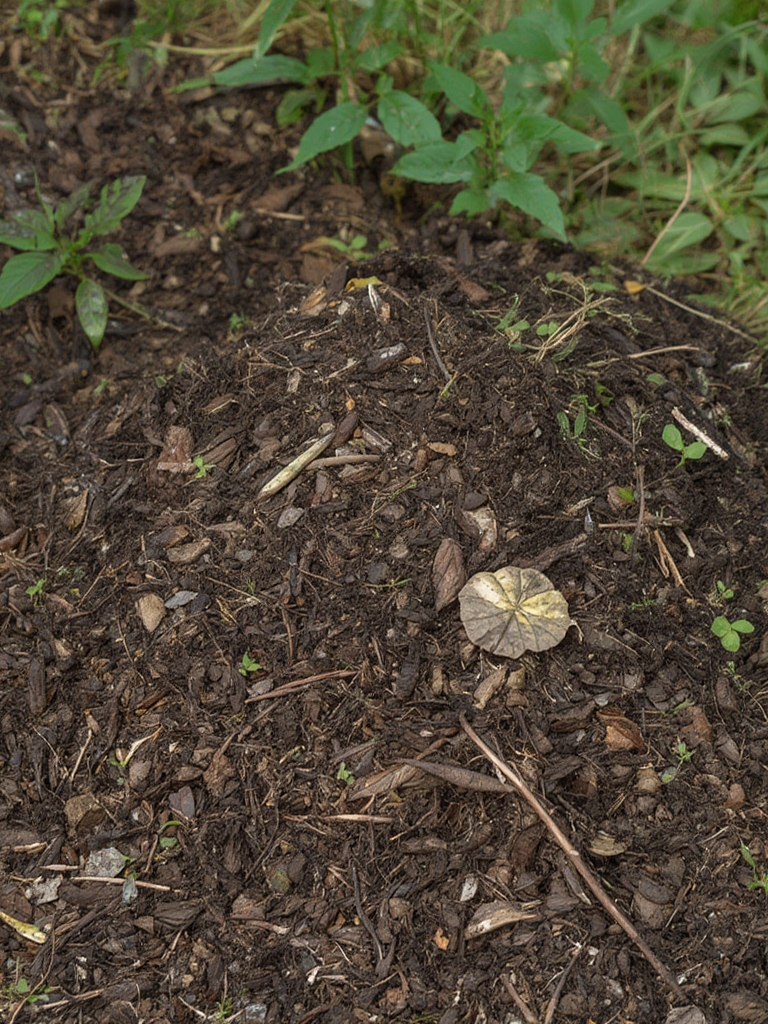
A4: Finished compost will be dark brown or black, crumbly, and have a pleasant earthy smell. You shouldn’t be able to identify the original materials (though a few small, woody pieces are acceptable). It will also be cooler to the touch than an actively decomposing pile.
Q5: Can I compost in a small urban space?
A5: Absolutely! Tumbler composters are great for small spaces as they’re self-contained and easy to turn. Worm composting (vermicomposting) using a worm bin is another excellent option for breaking down kitchen scraps indoors or on a balcony, producing nutrient-rich worm castings.