
Herb Planter Ideas: DIY Containers for Kitchen Herbs
Herb Planter Ideas: DIY Containers for Kitchen Herbs
Welcome, fellow green thumbs and aspiring gardeners! There’s nothing quite like the invigorating scent and vibrant taste of fresh herbs to elevate your cooking and bring life to your home. Imagine plucking fragrant basil for your pasta, snipping chives for your scrambled eggs, or grabbing mint for a refreshing drink – all from your very own kitchen! You might think you need a sprawling garden to achieve this, but I’m here to tell you that’s simply not true. With a bit of creativity and some elbow grease, you can create stunning and functional herb planter ideas right in your home.
This isn’t just about growing herbs; it’s about embracing the joy of DIY, repurposing materials, and adding a personal touch to your living space. Whether you have a tiny balcony, a sunny windowsill, or a spacious patio, there’s a perfect DIY herb planter waiting to be crafted by you. We’ll explore exciting herb planter ideas that are not only budget-friendly but also incredibly satisfying to make. Get ready to transform everyday items into beautiful homes for your favorite culinary companions!
Materials & Tools Needed for Your DIY Herb Planters
Before we dive into the creative process, let’s gather our essential supplies. One of the best things about DIY projects is the opportunity to use what you already have, turning potential waste into wonderful planters. Embrace the spirit of recycling and upcycling!
Here’s a general list of materials and tools you might need. Remember, this is flexible – adapt it based on the specific herb planter ideas you choose to pursue.
- Containers to Repurpose:
- Plastic bottles (2-liter soda bottles, milk jugs)
- Tin cans (coffee cans, soup cans – remove labels and clean thoroughly)
- Old wooden pallets or crates
- Mason jars or glass jars
- Old tires (clean well if using for edibles, though best for non-edible plants)
- Terra cotta pots (if buying new, consider unglazed for breathability)
- Plastic nursery pots (can be hidden inside decorative planters)
- Potting Mix:
- High-quality potting mix specifically formulated for containers. Look for good drainage and nutrient content.
- Compost (optional, for added nutrients)
- Drainage Material:
- Small pebbles, gravel, or broken pottery pieces (for the bottom of containers without pre-drilled holes)
- Coffee filters or landscape fabric (to prevent soil from escaping drainage holes)
- Tools:
- Drill with appropriate bit size (for making drainage holes in plastic, metal, or wood)
- Scissors or utility knife (for cutting plastic)
- Gloves (gardening gloves are always a good idea)
- Measuring tape
- Permanent marker
- Sandpaper (for smoothing rough edges on wood or metal)
- Paint brushes and paint (optional, for decoration)
- Staple gun or hammer and nails (for wooden projects)
- Twine, rope, or chains (for hanging planters)
- Herbs:
- Seeds or starter plants of your favorite herbs (basil, mint, rosemary, thyme, chives, parsley, oregano, cilantro, etc.)
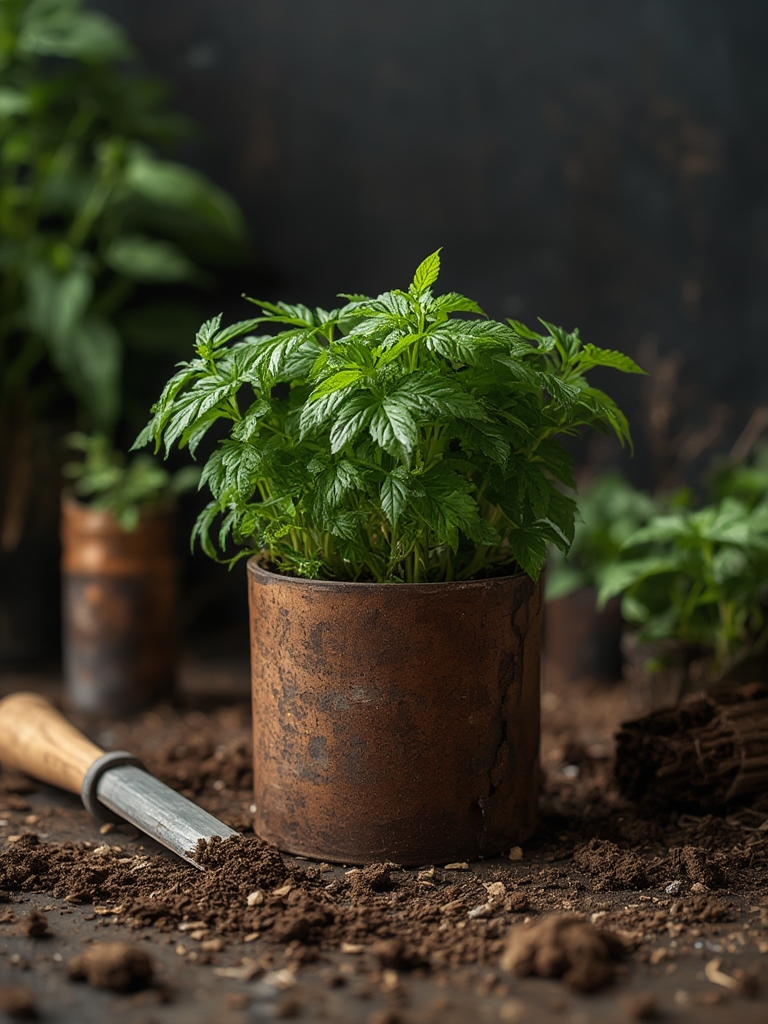
Image: A collection of repurposed materials like tin cans, glass jars, and small wooden crates, ready to be transformed into beautiful herb planters.
Project Duration & Planning Your Herb Oasis
Creating your DIY herb planters is a fun and rewarding process that doesn’t have to take all weekend. Most of these projects can be completed in an afternoon, often within 1-3 hours, depending on complexity and how many planters you decide to make. The key is good planning!
1. Choose Your Location:
First, decide where your herbs will live. Will they be indoors on a sunny windowsill, brightening up your kitchen? Or perhaps outdoors on a balcony, patio, or porch? This will influence the types of kitchen herb garden container pots indoor outdoor that are most suitable.
- Indoors: Look for containers that fit your aesthetic, have good drainage (or can be placed inside decorative pots), and won’t leak. South-facing windows are ideal for most herbs, providing 6+ hours of sunlight.
- Outdoors: Consider materials that can withstand weather conditions. Terra cotta, treated wood, and sturdy plastics work well. Ensure they have excellent drainage.
2. Select Your Herbs:
Think about the herbs you use most often. Are you a pesto enthusiast (basil)? A fan of Mediterranean dishes (rosemary, thyme, oregano)? Or do you crave fresh mint for your teas?
Also, consider their growth habits:
- Bushy herbs: Basil, cilantro, parsley
- Sprawling herbs: Mint, oregano (often best in their own containers as they can be invasive)
- Upright herbs: Rosemary, chives
3. Gather and Prepare Materials:
Clean all repurposed containers thoroughly. If using tin cans, ensure there are no sharp edges. For wooden items, sand down any splinters. If you need to drill drainage holes, do this before you start planting.
4. Sketch It Out (Optional but Recommended):
A quick sketch of your planter arrangement or even just jotting down your ideas can help visualize the final product and ensure you have all the necessary components.
Step-by-Step DIY Instructions: Crafting Your Herb Planters
Let’s get creative! Here are a few popular herb planter ideas with step-by-step instructions. You can choose one or mix and match to create a diverse collection.
Project 1: Upcycled Tin Can Herb Garden
This is one of the simplest and most charming ways to create a kitchen herb garden container pots indoor outdoor.
Steps:
- Prepare the Cans: Collect tin cans of various sizes. Wash them thoroughly with soap and water, remove all labels, and dry completely. Be careful of sharp edges!
- Add Drainage: Using a drill with a metal bit, carefully create 3-5 drainage holes in the bottom of each can. This is crucial to prevent root rot.
- Decorate (Optional): This is where your personality shines!
- Paint them with outdoor-safe spray paint or acrylic craft paint.
- Wrap them in twine or burlap, securing with hot glue.
- Decorate with washi tape or fabric scraps.
- Leave them rustic for an industrial look.
- Fill with Soil: Place a small layer of pebbles or broken pottery at the bottom of each can, especially if your drainage holes are large. Then, fill the cans about two-thirds full with quality potting mix.
- Plant Your Herbs: Gently remove your herb starter plants from their nursery pots, loosen the roots, and place them in the cans. Add more potting mix around the roots, leaving about an inch of space from the rim. If planting seeds, follow package instructions for depth and spacing.
- Water & Label: Water thoroughly. Label each can with the herb’s name using paint, a permanent marker, or cute plant markers.
- Display: Arrange your new herb garden on a windowsill, shelf, or patio table.
Project 2: Mason Jar Vertical Herb Garden
Perfect for small spaces, this vertical option makes the most of limited room and looks fantastic!
Steps:
- Prepare Jars: Clean Mason jars or similar glass jars thoroughly.
- Mounting Options:
- Wall-mounted: Attach hose clamps to a piece of reclaimed wood, then secure the wood to a wall stud. Place jars into the clamps.
- Pallet-mounted: Secure jars to a pallet using clamps or by drilling holes in the pallet slats big enough for the jar’s neck to fit through.
- Hanging: Wrap sturdy wire around the neck of each jar, creating a loop for hanging. Hang them from a rod or sturdy hooks.
- Add Drainage (Important for Glass Jars!): Since drilling glass is tricky, use an alternative drainage method. Add a thick layer (1-2 inches) of gravel or leca balls at the bottom of each jar. This reservoir will help keep roots out of standing water. Alternatively, you can pot your herbs in smaller plastic nursery pots with drainage holes that fit inside the Mason jars.
- Fill & Plant: Fill the jars with potting mix, leaving space at the top. Plant your herbs as described in the tin can project.
- Water Carefully: Water lightly, being careful not to overwater, especially without traditional drainage holes.
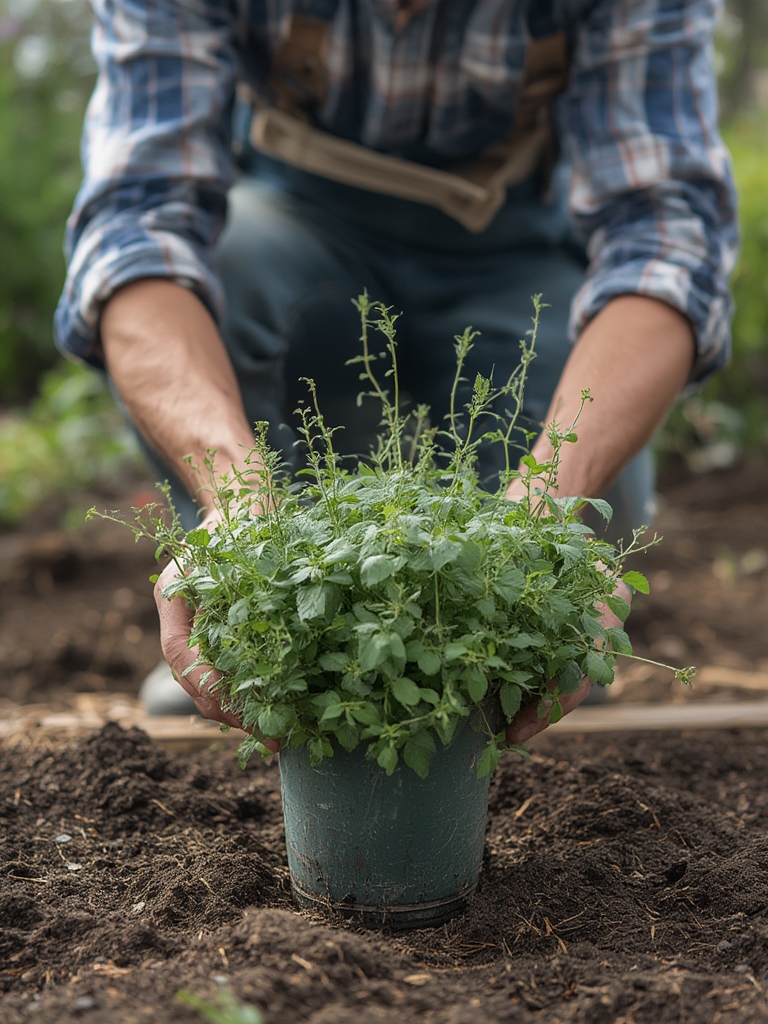
Image: A series of hands demonstrating the step-by-step process of preparing a container, adding soil, planting a small herb, and watering it, showing different DIY herb planter ideas in progress.
Benefits & Practical Advantages of DIY Herb Planters
Beyond the sheer satisfaction of creating something with your own hands, DIY herb planter ideas offer a wealth of practical advantages:
- Fresh Herbs at Your Fingertips: This is the most obvious benefit! No more last-minute dashes to the grocery store. You’ll have a continuous supply of fresh, flavorful herbs ready for cooking, garnishing, or brewing teas. The taste of freshly picked herbs is incomparable to dried or store-bought alternatives.
- Cost Savings: While the initial setup might involve buying seeds or starter plants, growing your own herbs is significantly more economical in the long run. A small bunch of fresh herbs at the supermarket can be surprisingly expensive, and often more than you need, leading to waste. Your DIY
kitchen herb garden container pots indoor outdoorwill provide an endless supply for pennies. - Sustainable Living & Repurposing: By using old cans, bottles, pallets, or jars, you’re actively reducing waste and giving new life to items that might otherwise end up in a landfill. This eco-friendly approach aligns perfectly with a sustainable lifestyle and adds a unique, often rustic, charm to your home.
- Enhanced Flavor & Nutrition: Homegrown herbs tend to be more potent and flavorful, as they haven’t endured long transportation or cold storage. Plus, you control what goes into their soil, ensuring they’re free from unwanted pesticides or chemicals.
- Aesthetic Appeal & Home Decor: DIY herb planters are not just functional; they’re beautiful! They add a touch of natural beauty, vibrancy, and a delightful aroma to any space. They can complement your existing decor or become a focal point, showcasing your creativity.
- Stress Relief & Mental Well-being: Gardening, even on a small scale, is a proven stress reliever. The act of nurturing plants, watching them grow, and connecting with nature can be incredibly therapeutic and meditative.
- Educational for All Ages: It’s a fantastic educational activity for children, teaching them about plant life cycles, responsibility, and where food comes from. It fosters a connection to nature and promotes healthy eating habits.
DIY Variations & Customization Tips
The beauty of DIY is that there are endless possibilities. Don’t stop at just tin cans or Mason jars! Here are more herb planter ideas and ways to customize them:
- Pallet Planters: Repurpose an old wooden pallet into a vertical garden. Attach small planter boxes or even the tin cans you decorated to the pallet slats. Sand and stain the pallet for a polished look, or paint it bright colors for a whimsical feel. This is a fantastic way to create a multi-tiered kitchen herb garden container pots indoor outdoor for a wall or fence.
- Plastic Bottle Self-Watering Planters: Cut plastic soda bottles in half horizontally. Invert the top half (with the cap removed) into the bottom half. Place a wick (from old t-shirt fabric or string) through the bottle neck into the soil. Fill the top with soil and herbs, and the bottom with water. The wick will draw water up, making a self-watering system!
- Old Drawers or Crates: Clean and line old wooden drawers or crates with landscape fabric or thick plastic sheeting (poke drainage holes in the bottom of the liner). These make charming, rustic planters perfect for windowsills or patio tables.
- Hanging Baskets: Transform old colanders or wire baskets into hanging planters. Line them with coco coir or landscape fabric, fill with soil, and plant trailing herbs like creeping thyme or oregano.
- Chalkboard Labels: Paint a section of your planter with chalkboard paint or use small chalkboard stakes. This allows you to easily change herb labels as you re-plant.
- Color Themes: Choose a color palette for your planters that complements your home decor. Whether it’s vibrant and bold or muted and natural, consistency creates a cohesive look.
- Mixed Materials: Combine different materials for a dynamic display. Group painted tin cans with natural terra cotta pots and wooden crates for an eclectic feel.
Common DIY Mistakes to Avoid
Even the most seasoned DIYer makes mistakes, but by being aware of common pitfalls, you can set your herb planter ideas up for success from the start.
- Lack of Drainage: This is the number one killer of container plants. Without drainage holes, water accumulates at the bottom, leading to root rot. Always ensure your chosen containers have adequate drainage, or implement a drainage layer (like gravel) and be extra cautious with watering.
- Overcrowding: While it’s tempting to plant many herbs in one container, overcrowding leads to competition for nutrients, water, and light. This stunts growth and can lead to disease. Give each herb ample space to thrive. If mixing herbs, choose companions with similar water and light needs (e.g., don’t plant water-loving mint with drought-tolerant rosemary).
- Using Garden Soil: Garden soil is too dense for containers. It compacts easily, hindering drainage and airflow crucial for roots. Always use a high-quality potting mix, which is lighter, holds moisture well, and provides better aeration.
- Insufficient Sunlight: Most culinary herbs are sun-lovers, requiring at least 6 hours of direct sunlight per day. Placing them in a dim spot will result in leggy, weak plants with less flavor. Observe your chosen location throughout the day to ensure it gets enough sun.
- Forgetting to Fertilize: Potting mix contains nutrients, but these deplete over time. Herbs need regular feeding, especially if you’re harvesting frequently. Use a balanced liquid fertilizer at half strength every 2-4 weeks during the growing season.
- Neglecting Sharp Edges: If you’re repurposing metal cans, always sand down or cover any sharp edges to prevent cuts during handling.
- Ignoring Material Safety: If using plastics or treated wood, ensure they are safe for growing edible plants. Some plastics can leach chemicals, and chemically treated wood can contain harmful substances. Opt for food-grade containers or untreated wood when possible.
Maintenance & Longevity Tips for Your Herb Planters
You’ve built your beautiful herb planter ideas, now let’s keep them thriving for a long time! Proper care is essential for a continuous harvest.
- Watering Wisely: This is crucial. Check the soil moisture daily by sticking your finger about an inch deep. If it feels dry, it’s time to water. Water thoroughly until you see water draining from the bottom. Avoid overwatering, which leads to root rot, and underwatering, which causes wilting. Terra cotta pots dry out faster than plastic or glazed pots.
- Strategic Feeding: As mentioned, herbs in containers need supplemental nutrients. Use a balanced, organic liquid fertilizer every 2-4 weeks during their active growing season (spring and summer). Reduce feeding in fall and winter.
- Regular Harvesting: Don’t be shy about harvesting! Regular snipping encourages bushier growth and prevents plants from “bolting” (going to seed), which can diminish flavor. Harvest about a third of the plant at a time. For leafy herbs like basil, pinch off the top leaves above a node to encourage branching.
- Pest Patrol: Keep an eye out for common pests like aphids, spider mites, or whiteflies. Early detection is key. Often, a strong spray of water or an application of insecticidal soap (make sure it’s safe for edibles!) can manage infestations.
- Pruning & Pinching: Beyond harvesting, prune any yellowing leaves or spent flower stalks. Pinching back leggy growth promotes a bushier, healthier plant.
- Rotation & Replanting: Some annual herbs like basil and cilantro have a shorter lifespan. When they start to look tired or go to seed, it’s time to replace them. Perennial herbs like rosemary and thyme can live for several years with proper care.
- Winter Protection (for Outdoor Planters): If you live in a region with cold winters, move outdoor perennial herbs indoors or provide protection. Some can be overwintered in a cool, bright spot.
- Cleanliness: Keep your
kitchen herb garden container pots indoor outdoortidy. Remove any fallen leaves or debris from the soil surface to prevent fungal issues.
Conclusion: Your Journey to a Fresh Herb Haven Begins Now!
Congratulations! You now have a treasure trove of herb planter ideas, along with the knowledge and confidence to embark on your very own DIY herb garden adventure. From upcycled tin cans to charming pallet creations, the possibilities are limited only by your imagination.
Remember, gardening is a journey, not a destination. Embrace the process, learn from any challenges, and most importantly, enjoy the incredible rewards of fresh, homegrown herbs. You’re not just growing plants; you’re cultivating a sustainable lifestyle, adding beauty to your home, and enriching your culinary experiences.
So, gather your materials, pick your favorite herbs, and get ready to transform your space into a vibrant, fragrant oasis. Your kitchen (and your taste buds!) will thank you. Happy planting!
FAQs About DIY Herb Planter Ideas
Q1: What are the best herbs for beginners to grow in DIY planters?
A1: Basil, mint, chives, parsley, oregano, and thyme are excellent choices for beginners. They are relatively forgiving, grow well in containers, and are widely used in cooking. Just be aware that mint can be invasive, so it’s often best grown in its own dedicated planter.
Q2: How often should I water my container herbs?
A2: The frequency depends on several factors: the type of herb, the size of the container, the material of the container (terra cotta dries faster than plastic), and the weather/indoor climate. A good rule of thumb is to check the soil moisture daily. Water thoroughly when the top inch or two of soil feels dry to the touch. Ensure water drains from the bottom to prevent root rot.
Q3: Do my DIY herb planters need drainage holes?
A3: Absolutely! Drainage is critical for the health of your herbs. Without drainage holes, water will accumulate at the bottom of the container, suffocating the roots and leading to root rot, which is often fatal. If you can’t drill holes (e.g., in glass jars), use a thick layer of gravel or leca balls at the bottom and be very careful not to overwater.
Q4: Can I grow different herbs in the same DIY planter?
A4: Yes, but choose companion herbs that have similar needs for sunlight, water, and soil conditions. For example, Mediterranean herbs like rosemary, thyme, and oregano prefer well-drained soil and less frequent watering. Herbs like basil and parsley prefer more moisture. Avoid planting aggressive growers like mint with other herbs, as it can quickly take over.
Q5: What kind of soil should I use for my DIY herb planters?
A5: Always use a high-quality potting mix designed for containers. Do not use garden soil, as it’s too dense and will compact, leading to poor drainage and aeration. Potting mix is lighter, provides better drainage, and contains essential nutrients for healthy growth. You can also mix in some compost for an extra nutrient boost.