How to Grow Carrots: Root Vegetable Growing & Harvesting Guide
How to Grow Carrots: Root Vegetable Growing & Harvesting Guide
There’s nothing quite like the satisfaction of pulling a vibrant, crunchy carrot straight from your own garden. For many home gardeners, especially beginners, understanding how to grow carrots can seem a bit daunting, but with the right guidance, it’s an incredibly rewarding experience. These sweet, earthy root vegetables are not only delicious but also packed with nutrients, making them a fantastic addition to any home garden.
If you’ve been dreaming of enjoying truly fresh, homegrown carrots, this comprehensive carrot growing guide root vegetable care is designed just for you. We’ll walk you through every step, from preparing your soil to harvesting your bounty, ensuring you have all the tips and tricks for a successful crop. Get ready to dig in and discover the simple joy of growing your own root vegetables!
Plant Requirements & Supplies
To successfully grow crisp, straight carrots, setting up the right environment is key. Here’s what your carrots will need to thrive:
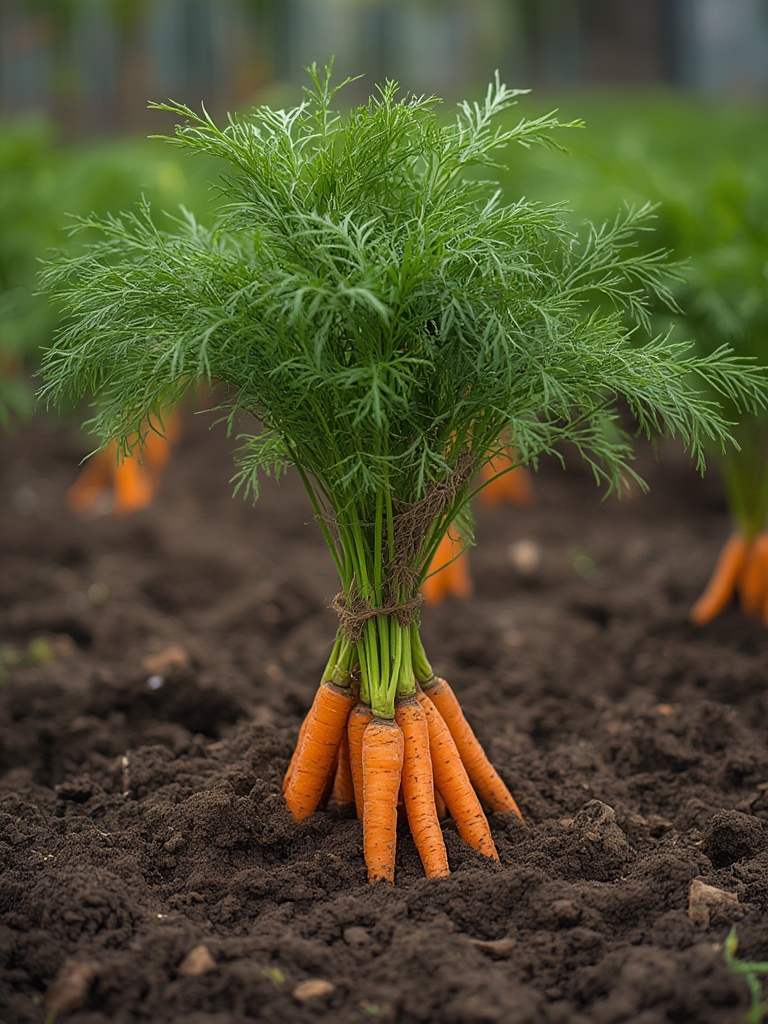
- Sunlight: Carrots love sunshine! They need at least 6-8 hours of direct sunlight per day to develop properly. Choose a sunny spot in your garden.
- Soil: This is perhaps the most critical factor for perfect carrots. They need loose, well-draining, and stone-free soil. Compacted or rocky soil will lead to forked, stunted, or oddly shaped roots. Aim for a sandy loam with a pH between 6.0 and 6.8. Amend heavy clay soils with plenty of compost or sand to improve drainage and texture.
- Water: Consistent moisture is vital. Carrots need regular, deep watering, especially during dry spells, to prevent cracking and encourage even growth.
- Temperature: Carrots are a cool-season crop. They germinate best in soil temperatures between 55-75°F (13-24°C) and grow well in air temperatures around 60-70°F (16-21°C).
- Supplies: You’ll need high-quality carrot seeds (choose varieties suitable for your climate and soil type), gardening tools (trowel, rake), a watering can or hose, and organic compost or well-rotted manure for soil amendment.
Step-by-Step Care Instructions
Growing carrots from seed is a straightforward process when you follow these steps carefully.
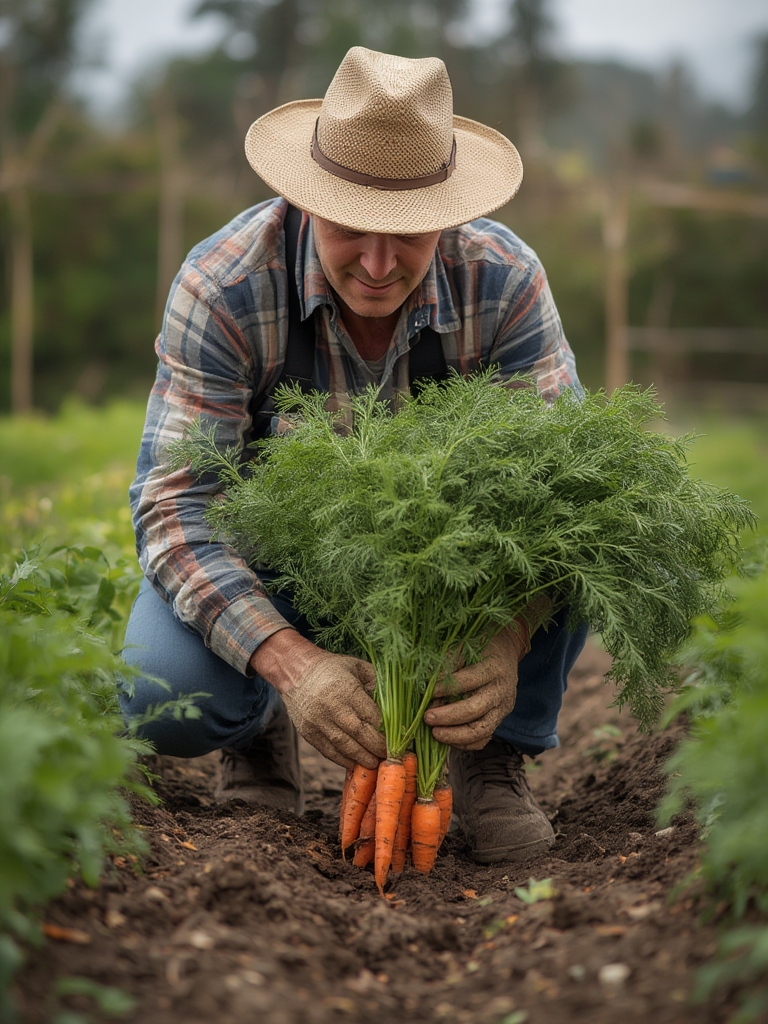
- Prepare the Soil: Before planting, loosen the soil to a depth of at least 10-12 inches. Remove any rocks, debris, or large clumps. Incorporate a good amount of well-aged compost to enrich the soil, but avoid fresh manure, which can cause forking.
- Sow the Seeds: Carrots are best direct-sown into the garden bed as they don’t transplant well. Plant seeds about ¼ to ½ inch deep and 1-2 inches apart in rows 12-18 inches apart. You can lightly cover the seeds with fine soil or sand. Keeping the seedbed consistently moist after sowing is crucial for germination.
- Water Consistently: Maintain consistent moisture, especially during germination and early growth. Water deeply to encourage roots to grow downwards. Avoid letting the soil dry out completely, then overwatering, as this can lead to cracking.
- Thin Seedlings: This is a critical step for a good harvest. When seedlings are about 1 inch tall, thin them to 2-4 inches apart, depending on the variety. Overcrowding is a common reason for small, misshapen carrots. Snip off weaker seedlings at the soil line to avoid disturbing the roots of those you keep.
- Weed Regularly: Keep the carrot bed free of weeds. Weeds compete with carrots for nutrients and water. Be careful when weeding around delicate carrot tops to avoid disturbing their shallow roots.
- Pest & Disease Prevention: Carrots are generally hardy but can face issues like carrot rust fly or leaf blight. Good air circulation, proper watering, and crop rotation are your best defenses.
- Harvesting: Carrots are ready to harvest when their tops are visible and the roots are about ¾ to 1 inch in diameter, typically 60-75 days after planting, depending on the variety. Gently loosen the soil around the carrot before pulling to prevent breakage.
Growing & Care Schedule
Understanding the typical timeline for how to grow carrots helps in planning:
- Spring: Begin sowing seeds 2-3 weeks before the last expected frost. For a continuous harvest, practice succession planting by sowing a new batch of seeds every 2-3 weeks until mid-summer.
- Summer: Focus on consistent watering, weeding, and thinning. Mulching can help retain soil moisture and suppress weeds during warmer months.
- Fall: Continue harvesting earlier plantings. Later plantings can be left in the ground longer as cooler temperatures can sweeten the carrots. In some climates, a final harvest before the ground freezes is necessary.
Benefits of Proper Care
Diligent care yields numerous rewards when it comes to growing carrots:
- Sweet, Flavorful Roots: Well-cared-for carrots develop the best flavor and sweetness.
- Optimal Yield: Proper spacing and nutrients mean more carrots per square foot.
- Reduced Problems: Healthy plants are more resilient to pests and diseases.
- Beautifully Shaped Carrots: Loose, well-prepared soil and consistent moisture lead to straight, uniform roots.
- Sustainable Practice: Healthy plants require fewer interventions and chemical treatments.
Alternative Care Methods
Even if you have limited space, you can still enjoy fresh carrots:
- Container Growing: For small spaces, choose deep containers (at least 12-18 inches deep) to allow for good root development. Use a good quality potting mix.
- Raised Beds: Excellent for creating ideal soil conditions, especially if your native soil is heavy clay or rocky.
- Companion Planting: Plant carrots near rosemary, sage, or marigolds to deter pests. Lettuce and radishes can also be good companions, helping to break up the soil.
Common Care Mistakes
Avoid these pitfalls for a thriving carrot patch:
- Compact or Rocky Soil: Leads to forked, misshapen, or stunted carrots.
- Inconsistent Watering: Causes carrots to crack or develop a bitter taste.
- Not Thinning Seedlings: Results in overcrowded conditions and small, tangled roots.
- Planting Too Late/Early: Extreme temperatures can hinder germination or cause carrots to bolt (go to seed) prematurely.
- Over-fertilizing with Nitrogen: Encourages leafy growth at the expense of root development.
Maintenance & Pruning Tips
Carrots don’t require much “pruning” in the traditional sense, but key maintenance ensures success:
- Thinning: As mentioned, this is the most critical “pruning” step. Remove weaker seedlings early to give stronger ones space to grow.
- Weeding: Regular, gentle weeding is essential to prevent competition.
- Mulching: Once seedlings are established, apply a 1-2 inch layer of organic mulch (like straw or wood chips) around the plants. This helps retain soil moisture, regulate soil temperature, and suppress weeds.
Conclusion
Growing your own carrots is a truly rewarding endeavor that connects you with nature and provides delicious, fresh produce for your table. By providing the right conditions—loose soil, plenty of sun, and consistent moisture—you’ll be well on your way to harvesting crisp, sweet roots. Don’t be afraid to get your hands dirty; the joy of pulling that first perfect carrot is a gardening moment you won’t soon forget. With this carrot growing guide root vegetable care, you’re equipped to cultivate a bountiful harvest. Happy gardening!
FAQs
1. How long do carrots take to grow?
Carrots typically take between 60 to 75 days from planting to harvest, depending on the specific variety and growing conditions. Always check your seed packet for the most accurate maturity dates.
2. Why are my carrots small and forked?
Small and forked carrots are usually due to compacted or rocky soil that restricts root growth. It can also be caused by improper thinning (overcrowding) or using fresh manure, which can burn the tender roots.
3. Can I grow carrots in pots?
Absolutely! Carrots can be successfully grown in containers. Choose pots that are at least 12-18 inches deep to allow the roots ample space to grow downwards. Ensure the pot has good drainage holes.
4. When is the best time to harvest carrots?
Carrots are ready to harvest when their shoulders (the top part of the root) emerge slightly from the soil and are about ¾ to 1 inch in diameter. You can gently feel around the base of the plant to gauge their size.
5. What kind of soil do carrots need?
Carrots thrive in loose, well-draining, sandy loam soil that is free of rocks and debris. The ideal pH range is between 6.0 and 6.8. Amending with compost improves soil structure without adding excessive nitrogen.