How to Grow Lettuce: Cool-Season Salad Green Growing Guide
How to Grow Lettuce: Cool-Season Salad Green Growing Guide
There’s nothing quite like the crisp taste of freshly picked lettuce straight from your garden. If you’ve ever dreamt of having an endless supply of salad greens, you’re in luck! Learning how to grow lettuce is one of the most rewarding and straightforward gardening endeavors, perfect for beginners and seasoned green thumbs alike. This versatile leafy green thrives in cooler temperatures, making it an ideal candidate for early spring and late fall planting.
Beyond the sheer joy of harvesting your own food, growing lettuce at home offers unparalleled freshness, flavor, and ensures you know exactly what goes into your meals. Say goodbye to wilted store-bought greens and hello to vibrant, crunchy leaves! In this comprehensive guide, we’ll walk you through everything you need to know to cultivate a thriving patch of this cool-season favorite, ensuring a continuous supply for your culinary creations.
Plant Requirements & Supplies
To set your lettuce up for success, understanding its fundamental needs is crucial. Gathering your supplies beforehand will also make the planting process smooth and enjoyable.
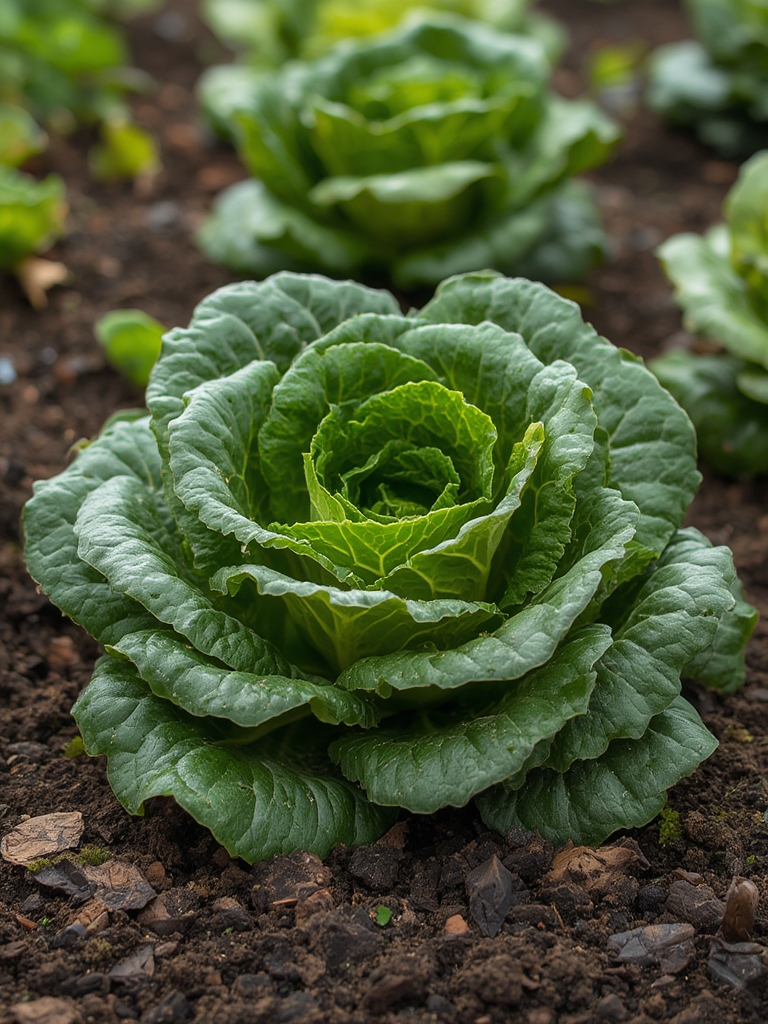
- Sunlight: Lettuce prefers full sun (6+ hours) in cooler weather but benefits from partial shade (3-5 hours) during warmer periods to prevent bolting (going to seed prematurely).
- Soil: Well-draining, fertile soil rich in organic matter is key. A slightly acidic to neutral pH (6.0-7.0) is ideal. Amending your soil with compost or well-rotted manure will give your plants a fantastic start.
- Watering: Consistent moisture is vital for tender, crisp leaves. Lettuce has shallow roots, so it dries out quickly. Aim for evenly moist soil, but avoid waterlogging.
- Temperature: As a cool-season crop, lettuce thrives in temperatures between 45-75°F (7-24°C). It can tolerate light frosts but struggles in extreme heat.
- Essential Supplies:
- Lettuce Seeds or Seedlings: Choose varieties suited to your climate and taste.
- Garden Bed or Containers: Depending on your space. Containers should have drainage holes.
- Quality Potting Mix or Garden Soil: Enriched with compost.
- Watering Can or Hose with a Gentle Sprayer: For consistent, even watering.
- Trowel or Small Shovel: For planting.
- Organic Fertilizer (Optional): A balanced, slow-release option if your soil lacks nutrients.
Step-by-Step Care Instructions
Ready to get your hands dirty? Follow these steps for a bountiful lettuce harvest.
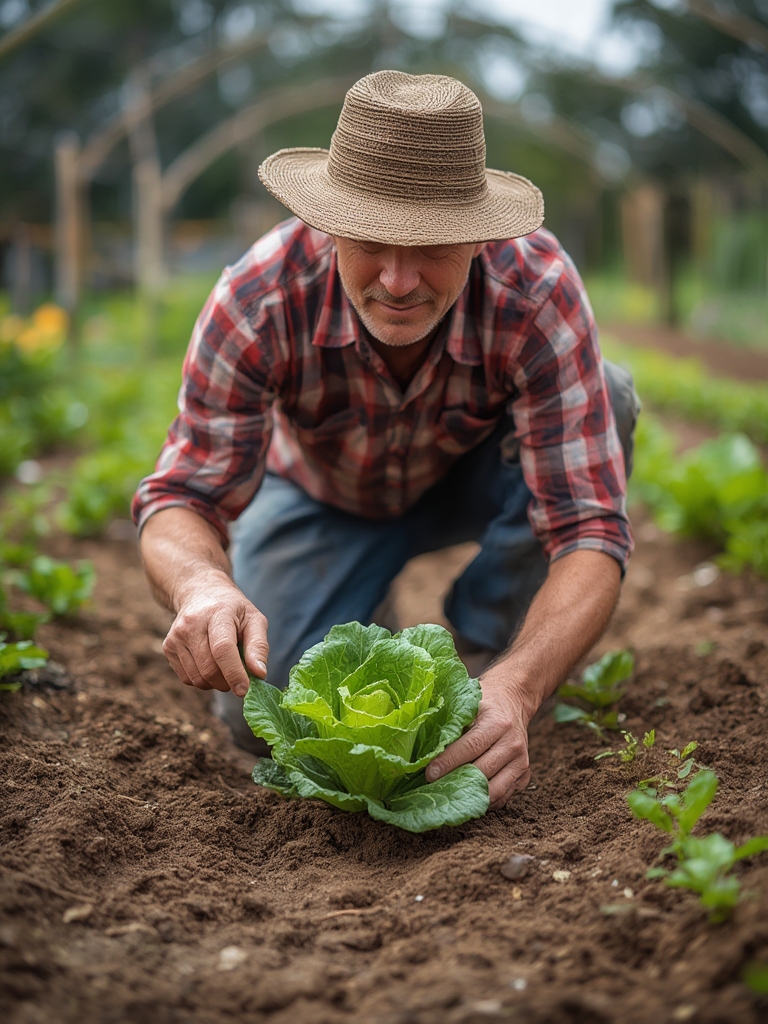
- Choosing Your Lettuce Variety: The world of lettuce is vast!
- Loose Leaf: Fast-growing, easy to harvest (e.g., ‘Black Seeded Simpson’, ‘Salad Bowl’).
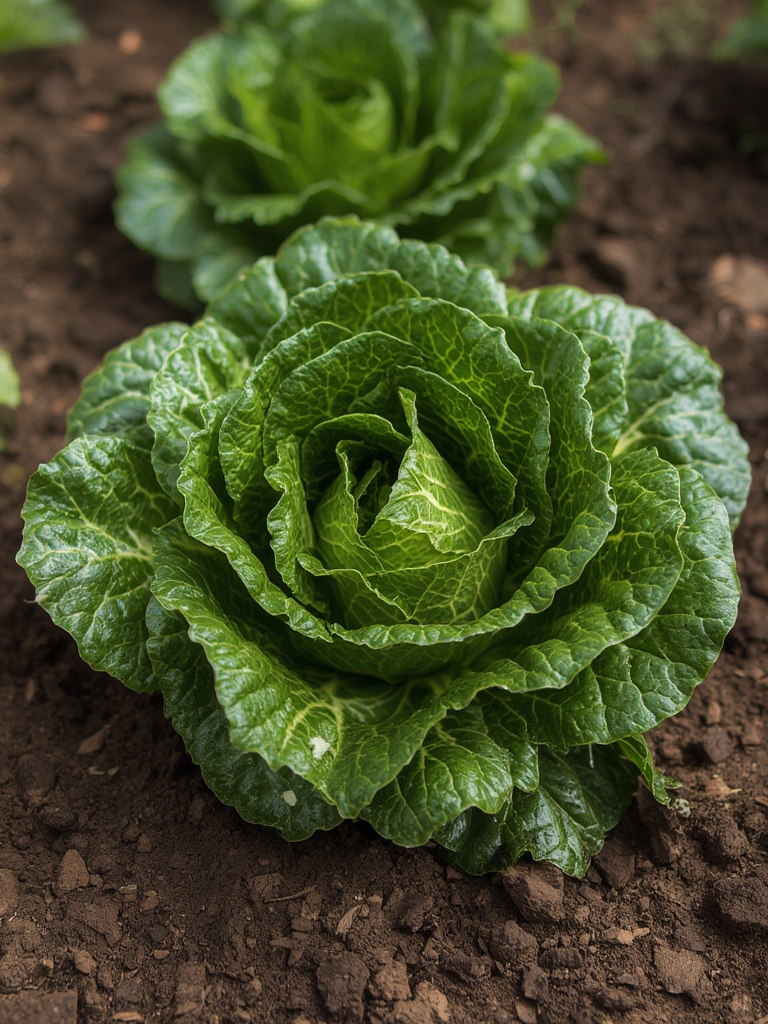
- Romaine (Cos): Upright, crunchy leaves (e.g., ‘Parris Island Cos’).
- Butterhead: Soft, buttery texture (e.g., ‘Bibb’, ‘Boston’).
- Crisphead (Iceberg): Tightly formed heads, takes longer to mature.
- Select varieties that appeal to your palate and are recommended for your growing zone.
- Preparing Your Planting Site:
- Garden Beds: Clear weeds, loosen soil to at least 6-8 inches deep, and incorporate 2-3 inches of compost. Rake smooth.
- Containers: Choose pots at least 6 inches deep and wide for adequate root space. Fill with a good quality potting mix designed for vegetables, ensuring excellent drainage.
- Sowing Seeds or Planting Seedlings:
- Seeds: Plant seeds about 1/8 to 1/4 inch deep and 1 inch apart in rows or scattered. Cover lightly with soil. Water gently.
- Seedlings: Dig a hole slightly larger than the seedling’s root ball. Carefully remove the seedling from its tray, place it in the hole, and backfill with soil, firming gently around the base. Space seedlings according to the variety’s mature size (typically 6-12 inches apart).
- Watering:
- After planting, water immediately and thoroughly.
- Maintain consistent moisture. The top inch of soil should feel slightly damp. In hot or windy conditions, you might need to water daily.
- Use a gentle spray to avoid disturbing delicate seedlings or compacting the soil. Water at the base of the plants to minimize leaf wetness, which can lead to fungal issues.
- Fertilizing:
- Lettuce is not a heavy feeder if your soil is rich in organic matter.
- If your soil is poor, a light application of a balanced, organic liquid fertilizer (like fish emulsion or a diluted all-purpose vegetable feed) every 2-3 weeks can boost growth. Always follow package directions.
- Pest and Disease Management:
- Keep an eye out for common pests like slugs, snails, aphids, and cutworms.
- Organic Solutions: Handpick slugs/snails, use neem oil for aphids, or set up beer traps.
- Maintain good air circulation and avoid overhead watering to prevent fungal diseases like downy mildew. Remove any affected leaves immediately.
Growing & Care Schedule
Understanding the typical timeline for your lettuce growing guide cool season salad greens will help you plan your harvests.
- Sowing Time:
- Spring: 4-6 weeks before the last expected frost, or directly sow outdoors as soon as the soil can be worked.
- Fall: 6-8 weeks before the first expected fall frost.
- Germination: Typically 7-14 days after sowing, depending on soil temperature.
- Thinning: Once seedlings have 2-3 true leaves, thin them to their recommended spacing (e.g., 6-12 inches apart).
- Watering: Daily or every other day, as needed, to keep the soil consistently moist.
- Harvesting:
- Loose-leaf varieties: Can be harvested as early as 30 days by taking outer leaves (“cut-and-come-again” method).
- Head varieties: Typically ready in 50-70 days when the head feels firm.
Benefits of Proper Care
Providing optimal care for your lettuce yields numerous advantages:
- Abundant, Continuous Harvests: Healthy plants produce more leaves for longer periods.
- Superior Flavor and Texture: Properly watered and nurtured lettuce is crisp, tender, and far more flavorful than struggling plants.
- Enhanced Disease and Pest Resistance: Strong, vigorous plants are better equipped to fend off threats.
- Extended Growing Season: Good care helps prevent bolting, prolonging your harvest window.
- Cost Savings: Growing your own reduces trips to the grocery store and cuts down on expenses.
Alternative Care Methods
Lettuce is incredibly adaptable, making it suitable for various growing environments.
- Container Gardening: Ideal for small spaces, patios, or balconies. Choose wide, shallow containers. This method also allows you to move plants into shade during hot spells.
- Raised Beds: Offer excellent drainage and allow for easier control over soil quality. They also warm up faster in spring.
- Hydroponics/Aquaponics: For advanced growers, these soilless systems offer rapid growth and water efficiency, though they require more initial setup and technical knowledge.
- Succession Planting: To ensure a continuous supply, plant small batches of seeds every 2-3 weeks rather than planting all at once. This staggers your harvest.
Common Care Mistakes
Even experienced gardeners can make mistakes. Avoiding these common pitfalls will boost your success:
- Inconsistent Watering: Both overwatering (leading to root rot) and underwatering (causing bitter, tough leaves) are detrimental. Aim for consistent moisture.
- Planting in Hot Weather: Lettuce will quickly bolt in high temperatures, turning bitter and going to seed. Stick to its cool-season preference.
- Crowding Plants: Lack of spacing leads to poor air circulation, increased disease risk, and smaller, less vigorous plants as they compete for resources.
- Not Enough Nutrients: While not a heavy feeder, lettuce still needs good soil. Neglecting to amend soil or provide supplemental feed in poor soil can result in stunted growth.
- Ignoring Pests: A small pest problem can quickly escalate if not addressed early.
Maintenance & Pruning Tips
Minimal maintenance keeps your lettuce thriving.
- Weeding: Keep the area around your lettuce weed-free. Weeds compete for water, nutrients, and sunlight, hindering growth.
- Thinning: When seedlings are young, thin them to the recommended spacing. You can often eat the thinnings!
- Harvesting:
- “Cut-and-Come-Again”: For loose-leaf varieties, snip off outer leaves about an inch above the base. New leaves will grow from the center.
- Whole Head: For romaine or butterhead, cut the entire plant at the soil line when it reaches maturity.
- Preventing Bolting: If temperatures rise unexpectedly, provide shade with a shade cloth. Harvest promptly when the weather gets warm, as bolting makes lettuce bitter.
Conclusion
Growing your own lettuce is a profoundly satisfying journey, connecting you with nature and providing delicious, fresh produce right at your fingertips. By understanding the simple requirements and following this how to grow lettuce guide, you’re well on your way to enjoying crisp, homegrown salads all season long. Remember, gardening is a continuous learning process, so embrace experimentation and savor every leaf you grow. Happy gardening!
FAQs
Q1: How long does it take to grow lettuce?
Most lettuce varieties mature in 30-70 days from seed. Loose-leaf types can often be harvested within 30 days using the “cut-and-come-again” method, while head varieties take longer to form.
Q2: Can I grow lettuce in pots?
Absolutely! Lettuce is an excellent candidate for container gardening. Choose wide, shallow pots with good drainage holes and use a high-quality potting mix. This allows you to move them to shadier spots during warmer weather.
Q3: Why is my lettuce bolting?
Bolting, where the lettuce plant sends up a flower stalk, is usually triggered by warm temperatures and long daylight hours. Once lettuce bolts, its leaves become bitter and tough. To prevent this, plant during cooler seasons and provide shade during unexpected heat waves.
Q4: When is the best time to harvest lettuce?
Harvest lettuce in the morning after the dew has dried but before the heat of the day sets in. This is when the leaves are most crisp and flavorful. For loose-leaf varieties, you can continuously harvest outer leaves, allowing the plant to keep producing.
Q5: What are common pests for lettuce?
Common lettuce pests include slugs, snails, aphids, and cutworms. Inspect your plants regularly. Organic solutions like handpicking, neem oil, or beer traps for slugs can effectively manage these pests without harmful chemicals.