How to Grow Peppers: Bell & Hot Pepper Growing Guide
How to Grow Peppers: Bell & Hot Pepper Growing Guide
Peppers! Whether you crave the crisp sweetness of a bell pepper in your salad or the fiery kick of a jalapeño in your salsa, growing your own peppers is an incredibly rewarding experience. There’s nothing quite like plucking a vibrant, homegrown pepper straight from your garden. Many new gardeners wonder how to grow peppers successfully, and the good news is, it’s easier than you might think!
This comprehensive guide will walk you through everything you need to know, from selecting the right variety to troubleshooting common issues, ensuring you have a bountiful harvest. Get ready to add some zest and color to your garden and your plate!
Plant Requirements & Supplies
Before you embark on your pepper-growing adventure, understanding what these sun-loving plants need is crucial. Getting the right start is key to a thriving pepper plant growing guide care requirements.
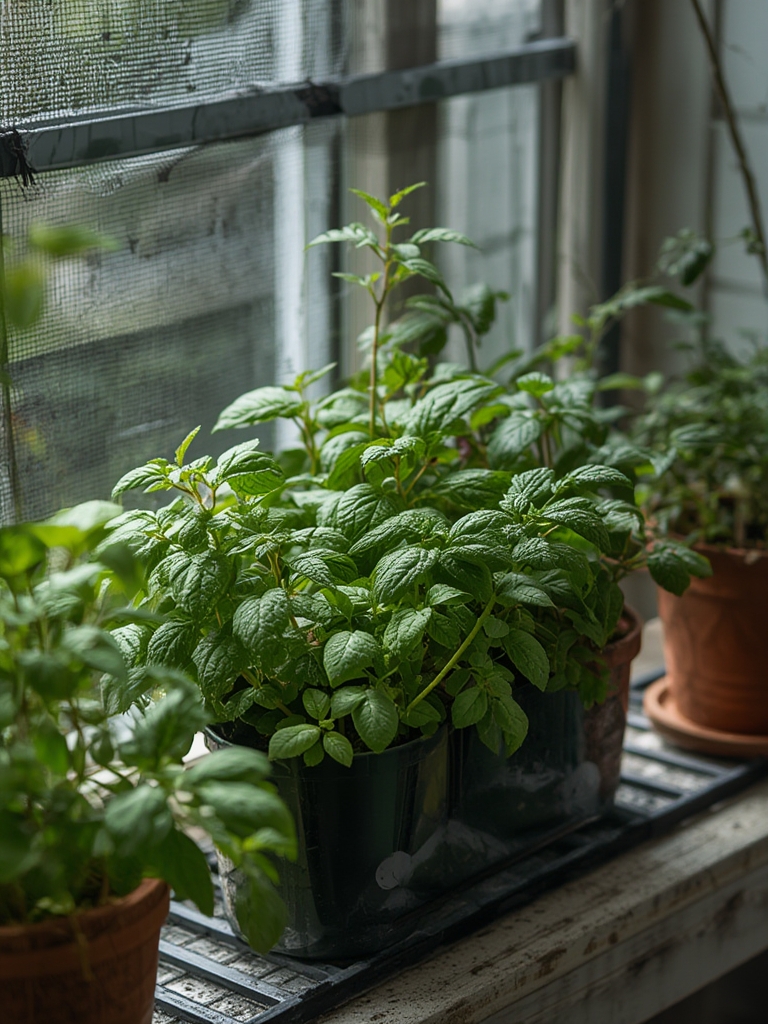
Sunlight: Peppers are true sun worshippers. They need at least 6-8 hours of direct sunlight per day to produce a good crop. Choose the sunniest spot in your garden or on your balcony.
Soil: Well-draining, fertile soil is paramount. Peppers thrive in loamy soil rich in organic matter with a pH between 6.0 and 6.8. If growing in pots, a high-quality potting mix designed for vegetables is ideal.
Water: Consistent moisture is essential, especially when fruits are developing. Peppers prefer consistently moist soil, not waterlogged. Deep, infrequent watering is better than shallow, frequent watering.
Temperature: Peppers love warmth. They germinate best when soil temperatures are above 70°F (21°C) and grow optimally between 70-85°F (21-29°C) during the day, with night temperatures above 60°F (16°C). Frost is their enemy!
Key Supplies:
- Seeds or Seedlings: Choose varieties suited to your climate (bell, jalapeño, habanero, cayenne, etc.).
- Pots or Garden Space: Ensure adequate room for growth.
- Quality Potting Mix/Compost: For enriching soil.
- Organic Fertilizer: Balanced, slow-release options are best.
- Watering Can/Hose: For consistent hydration.
- Stakes or Cages: Especially for taller or heavily fruiting varieties.
Step-by-Step Care Instructions
Knowing how to grow peppers from start to finish involves a few key steps. Follow these instructions for a successful harvest.
- Starting Seeds (Indoors): For most climates, starting seeds indoors 8-10 weeks before the last frost date is recommended. Sow seeds ¼ inch deep in seed-starting mix. Keep soil consistently moist and warm (75-80°F or 24-27°C) using a heating mat if necessary.
- Hardening Off & Transplanting: Before moving young plants outdoors, gradually acclimate them to external conditions over 7-10 days (hardening off). Once all danger of frost has passed and soil temperatures are consistently above 60°F (16°C), transplant seedlings into your garden or larger containers. Space plants 18-24 inches apart.
- Watering: Water deeply and regularly, especially during dry spells and when fruits begin to set. Aim for about 1 inch of water per week, either from rain or irrigation. Avoid overhead watering to reduce disease risk.
- Fertilizing: Peppers are moderate feeders. Incorporate compost or a balanced organic fertilizer into the soil at planting. Once flowers appear, switch to a fertilizer higher in phosphorus and potassium to encourage fruiting. Avoid too much nitrogen, which can lead to lush foliage but fewer peppers.
- Pest & Disease Management: Regularly inspect your plants for common pests like aphids, spider mites, or cutworms. Use organic pest control methods like neem oil or insecticidal soap if needed. Good air circulation and proper watering can prevent fungal diseases.
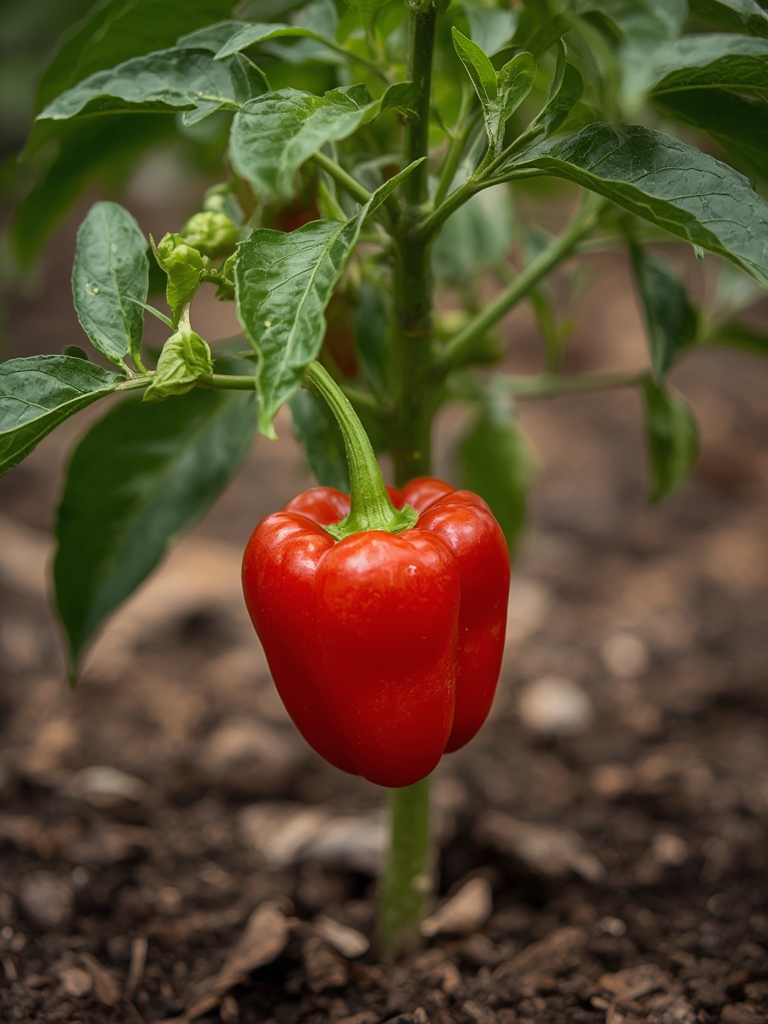
- Support (Staking): As your pepper plants grow and bear fruit, they can become top-heavy. Provide support with stakes or tomato cages to prevent stems from breaking and keep fruit off the ground.
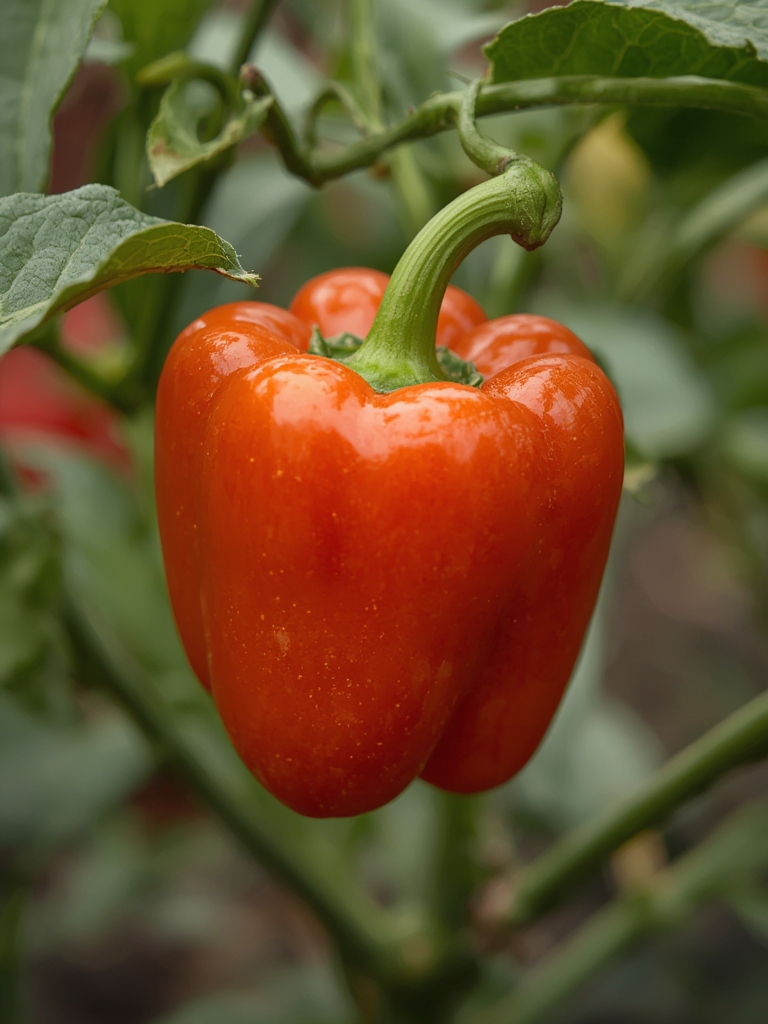
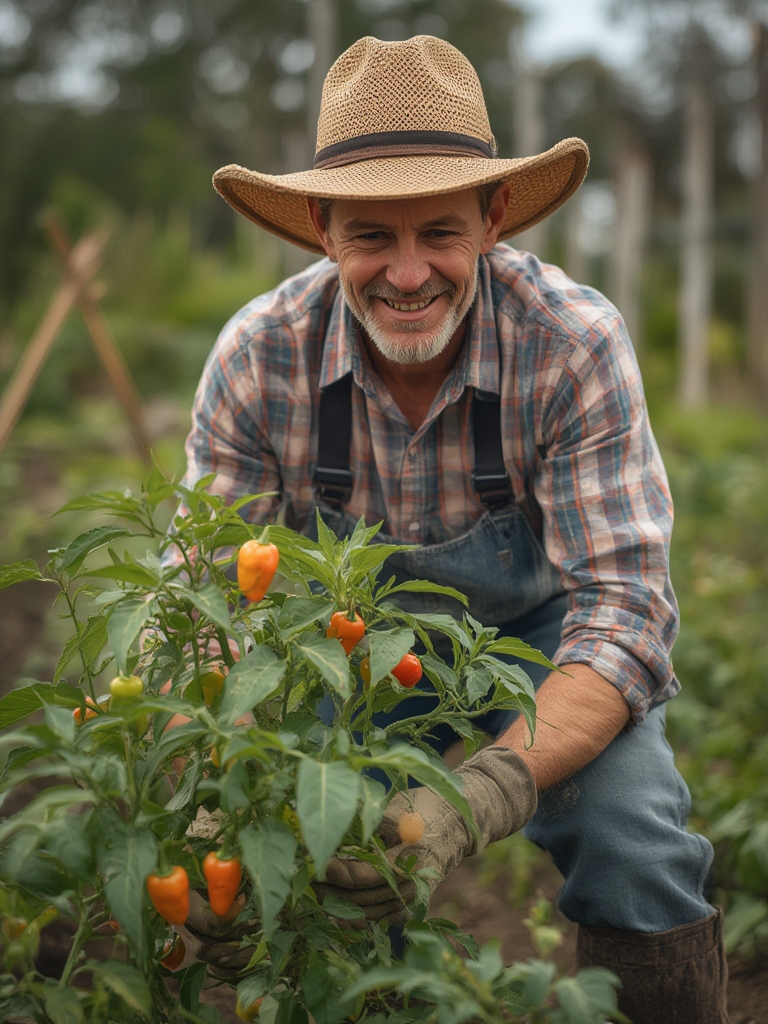
- Harvesting: Peppers are ready to harvest when they reach their full size and desired color. For bell peppers, this can be green, yellow, orange, or red. Hot peppers often increase in heat as they ripen. Snip peppers from the plant with clean pruners, leaving a small piece of stem attached. This encourages more fruit production.
Growing & Care Schedule
Understanding the typical timeline for your pepper plant growing guide care requirements can help you plan your season effectively.
- Early Spring (8-10 weeks before last frost): Start seeds indoors. Provide warmth and light.
- Late Spring (after last frost, soil > 60°F/16°C): Harden off and transplant seedlings outdoors.
- Early Summer: Focus on consistent watering and initial fertilization. Plants will grow foliage.
- Mid-Summer: Flowers will appear. Begin fertilizing with a bloom/fruit booster. Continue regular watering.
- Late Summer/Early Fall: First harvest! Continue watering, feeding, and checking for pests. Peppers will continue to produce until the first hard frost.
Benefits of Proper Care
Proper care for your peppers yields numerous benefits beyond just a successful harvest:
- Increased Yield: Healthy plants produce more fruit, ensuring a bountiful supply for your kitchen.
- Superior Flavor: Homegrown peppers, especially when nurtured well, often have a richer, more vibrant flavor than store-bought varieties.
- Disease & Pest Resistance: Strong, healthy plants are better equipped to fend off pests and diseases naturally.
- Longer Production Season: Well-maintained plants will continue producing peppers over a longer period.
- Gardening Satisfaction: The joy and pride of eating something you grew from seed are immeasurable!
Alternative Care Methods
Even if you don’t have a large garden, you can still enjoy fresh peppers!
- Container Gardening: Peppers are excellent candidates for containers. Choose pots at least 10-12 inches in diameter with good drainage. This method is perfect for patios, balconies, or small yards.
- Raised Beds: Raised beds offer excellent drainage and allow for better control over soil quality, making them ideal for peppers.
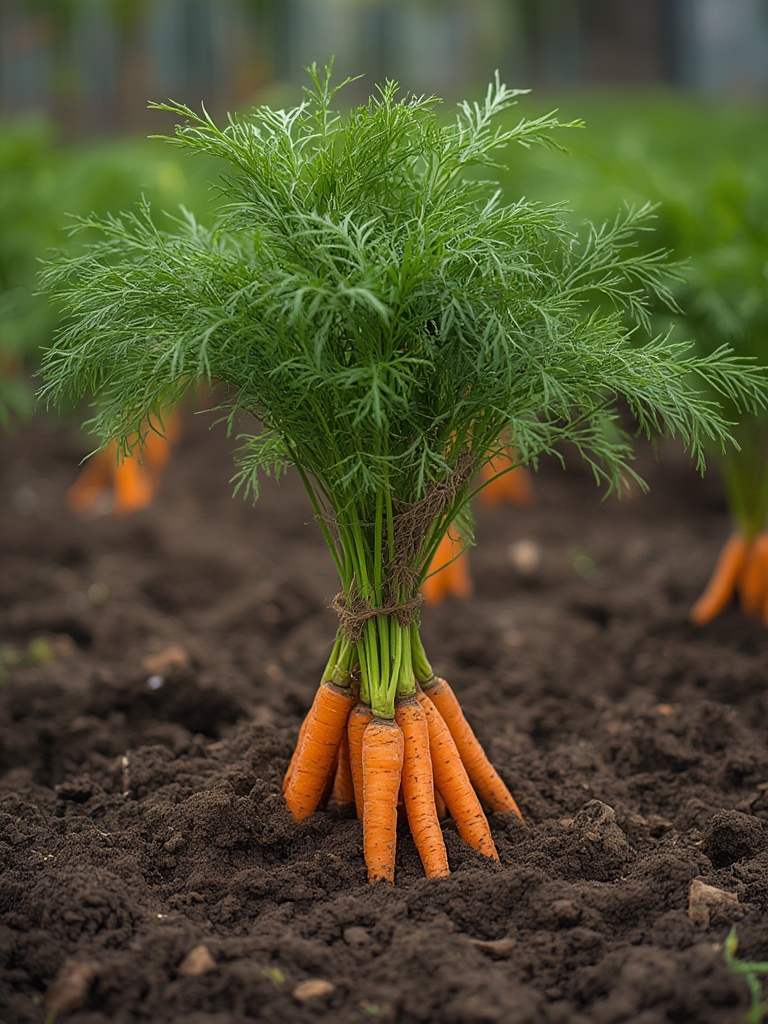
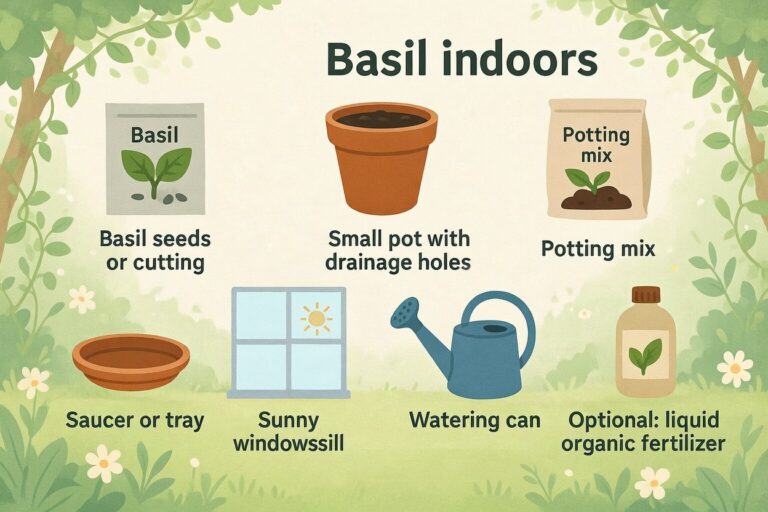
- Companion Planting: Plant peppers near basil, carrots, onions, or marigolds. Basil can improve pepper flavor, while marigolds deter nematodes. Avoid planting near beans, cabbage, or fennel.
Common Care Mistakes
Even experienced gardeners make mistakes. Here are some common pitfalls to avoid when learning how to grow peppers:
- Planting Too Early: Putting plants out before the soil and air are warm enough can stunt growth or even kill them. Be patient!
- Overwatering/Underwatering: Both extremes are detrimental. Overwatering leads to root rot, while underwatering causes stress and blossom end rot. Aim for consistently moist, but not soggy, soil.
- Insufficient Sunlight: Not enough sun results in leggy plants and poor fruit set.
- Lack of Nutrients: Peppers are hungry. Neglecting fertilization can lead to small, sparse harvests.
- Ignoring Pests/Diseases: Small issues can quickly become big problems if not addressed promptly.
- Not Providing Support: Heavy fruit can snap branches, especially on bell peppers.
Maintenance & Pruning Tips
While peppers don’t always require extensive pruning, a little maintenance can go a long way in ensuring a robust plant and a great harvest.
- Pinching Back (Optional): For bushier plants, pinch off the growing tip of young pepper plants when they are about 6-8 inches tall. This encourages side branching.
- Removing Suckers: Similar to tomatoes, you can remove suckers (shoots growing in the crotch of two stems) to direct energy towards fruit production. However, some gardeners prefer to leave them for more foliage protection for the fruits.
- Lower Leaf Removal: As plants mature, remove any leaves touching the soil. This improves air circulation and reduces the risk of soil-borne diseases.
- Support & Tie: Regularly check your stakes or cages and gently tie up any heavy branches that look like they might break under the weight of ripening peppers.
Conclusion
Growing your own peppers, whether sweet bells or fiery hot varieties, is a truly gratifying experience. By providing the right conditions – ample sunlight, good soil, consistent watering, and a little love – you’ll be amazed at the bounty you can achieve. Remember, understanding how to grow peppers is a journey, and each season brings new lessons and delicious rewards. So roll up your sleeves, get planting, and prepare to enjoy the freshest, most flavorful peppers you’ve ever tasted! Happy gardening!
FAQs
Q: How much sun do peppers need?
A: Peppers require at least 6-8 hours of direct sunlight per day to thrive and produce a good harvest.
Q: When should I harvest peppers?
A: Harvest peppers when they reach their full size and desired color (green, red, yellow, etc.). For hot peppers, harvesting when fully colored often indicates peak heat. Snip them with pruners to avoid damaging the plant.
Q: Why are my pepper leaves turning yellow?
A: Yellow leaves can indicate several issues, including overwatering, nutrient deficiencies (especially nitrogen), or insufficient sunlight. Check your watering habits, consider a balanced fertilizer, and ensure your plants get enough sun.
Q: Can I grow peppers in pots?
A: Yes, peppers grow very well in containers! Choose pots at least 10-12 inches in diameter with good drainage, and use a high-quality potting mix.
Q: What’s the main difference between bell and hot pepper care?
A: Generally, the core care requirements (sun, soil, water, temperature) are similar for both bell and hot peppers. Hot peppers often tolerate slightly drier conditions, but consistent moisture is still best for fruit development. Some hot pepper varieties might also require a longer growing season.