January Flowers Checklist: What Blooms, What to Plant & Care Tips
January Flowers Checklist: What Blooms, What to Plant & Care Tips
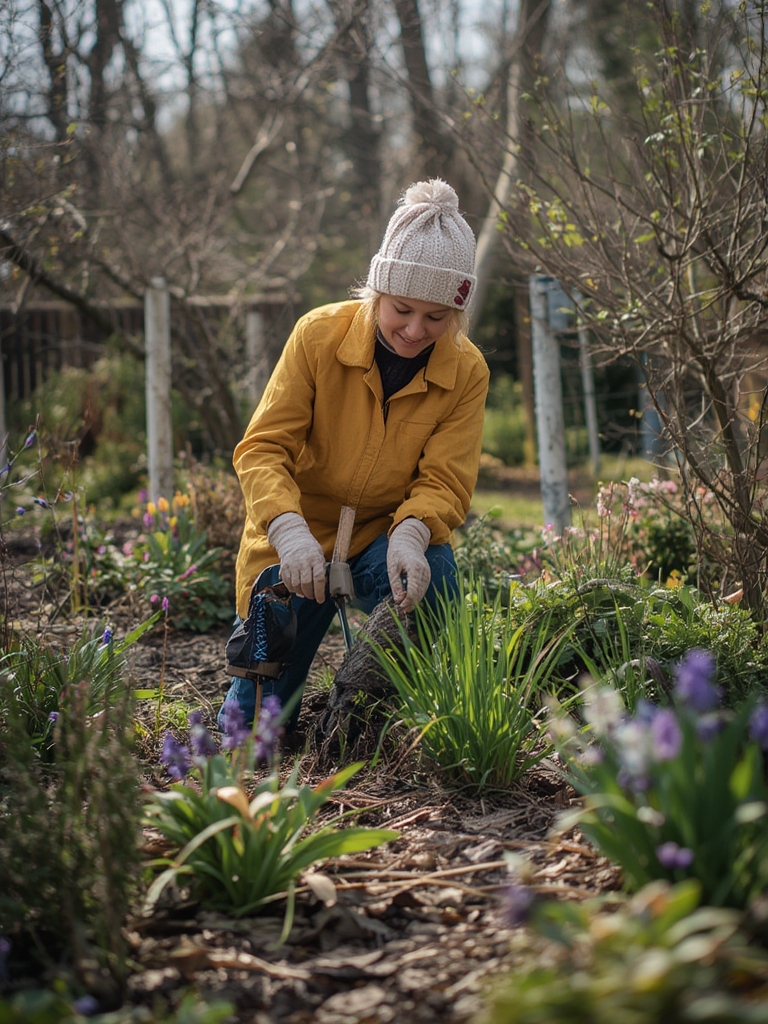
Welcome, fellow garden enthusiasts! As the New Year dawns and the chill of winter sets in, many might think our gardens are simply sleeping. But what if I told you that even in January, your garden can burst with life and color? That’s right! While much of the plant world is dormant, there are specific january flowers and essential tasks that can keep your green thumb busy and your spirits bright.
Whether you’re a seasoned pro or just starting your gardening journey, this comprehensive guide is designed to help you navigate the winter months with confidence. We’ll cover what beautiful blooms defy the cold, what you can plant now for future splendor, and crucial care tips to ensure your garden thrives. Let’s make this January a surprisingly vibrant one!
Tools & Tasks for This Season
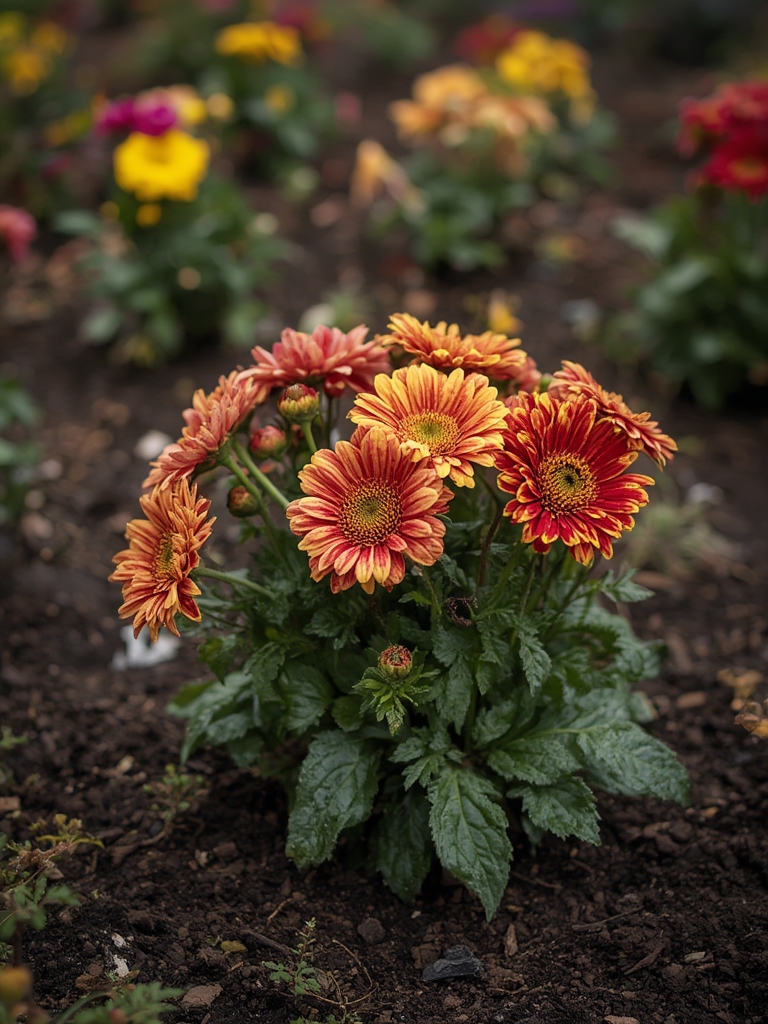
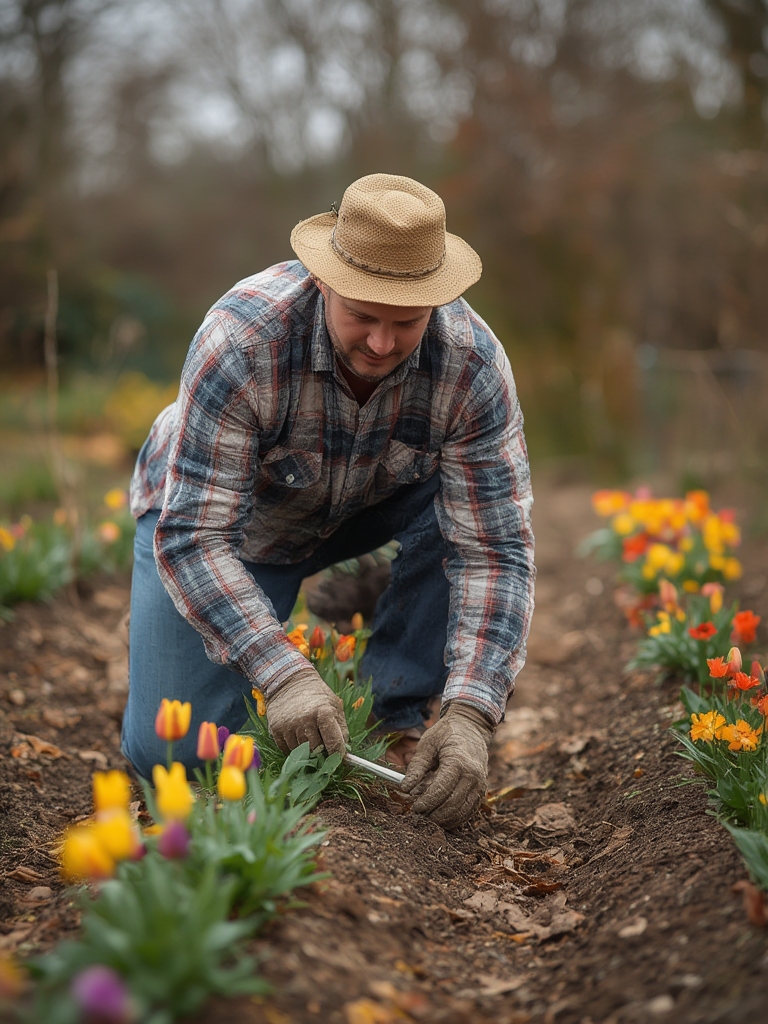
Even though it’s cold, there’s still work to be done and the right tools make all the difference. Think of your January gardening tasks as a gentle preparation for the exuberance of spring.
Here are the essentials you’ll want to have on hand:
- Gloves: Insulated, waterproof gloves are a must for protecting your hands from the cold and damp soil.
- Hand Trowel and Fork: Perfect for small planting jobs or weeding any persistent winter invaders.
- Pruners: For tidying up dormant shrubs or removing dead branches (more on this later!).
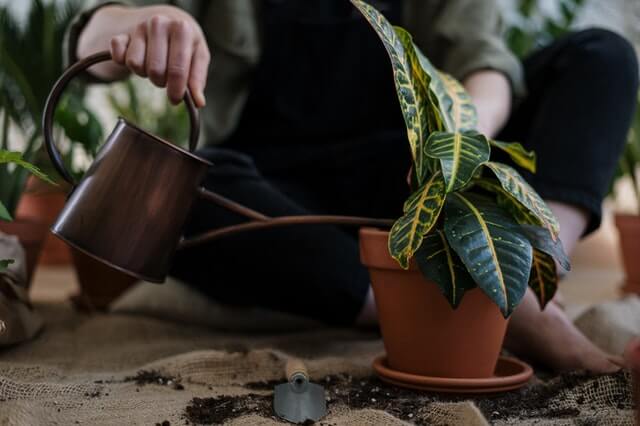
- Watering Can: Even in winter, container plants and certain areas might need a drink on warmer days.
- Compost Bin/Pile: January is a great time to turn your compost and add any garden debris.
- Seed Trays & Potting Mix: For starting seeds indoors, preparing for spring.
- Frost Protection: Horticultural fleece or cloches for delicate plants during severe cold snaps.
Key Tasks:
- Inspect Your Garden: Take a walk around, even if it’s chilly. Look for signs of pests, disease, or damage from winter weather.
- Clean & Organize: A tidy garden is a happy garden. Clear away fallen leaves and put tools away properly.
- Plan Ahead: January is prime time for planning your spring and summer garden layout. Dream big!
Seasonal Gardening Checklist
Now, let’s get to the heart of what makes January gardening so rewarding – discovering what truly blooms and what you can do to prepare for the growing season.
What Blooms in January?
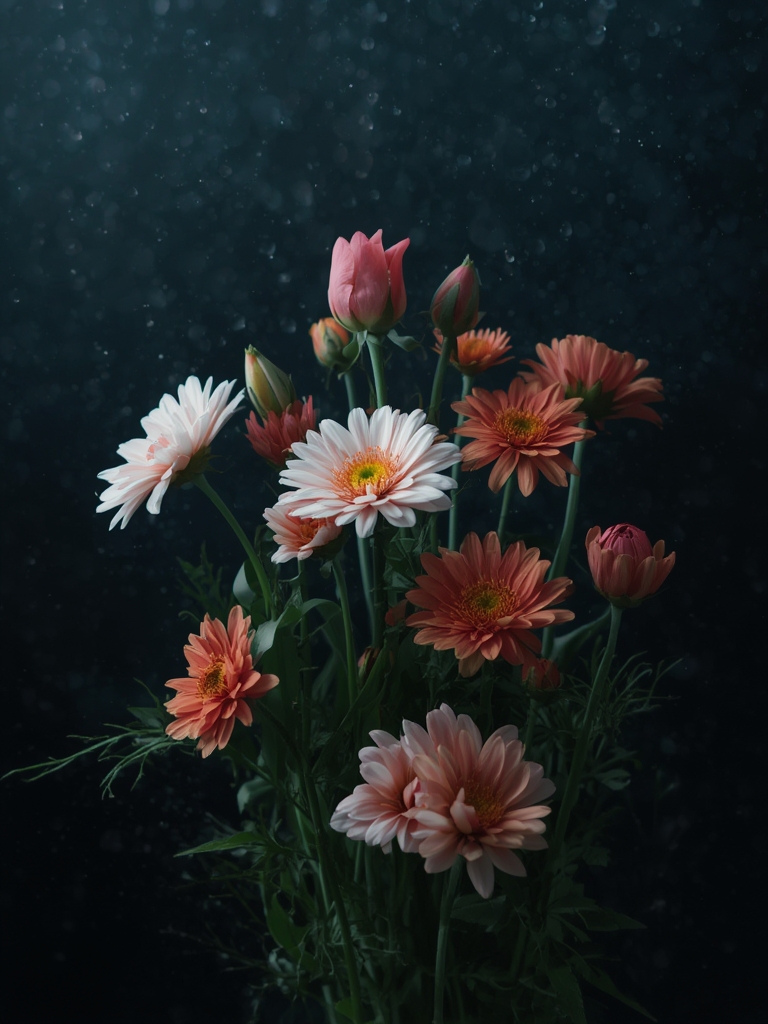
Prepare to be surprised by these resilient january flowers:
- Snowdrops (Galanthus): These delicate white bells are often the first sign of life in the garden, pushing through frozen ground. They’re truly a symbol of hope and are often considered a beautiful early january birth flower.
- Winter Aconite (Eranthis hyemalis): Cheerful, buttercup-yellow flowers that carpet the ground, often appearing alongside snowdrops.
- Hellebores (Christmas Rose/Lenten Rose): These hardy beauties come in various colors, from white to deep purples, and can bloom from late winter into early spring. They’re a true delight when little else is flowering.
- Witch Hazel (Hamamelis): While technically a shrub, its spidery, fragrant yellow, orange, or red flowers add incredible interest and scent to the winter garden.
- Cyclamen Coum: A charming, small plant with pink, white, or magenta flowers and attractive marbled leaves, perfect for shaded areas.
- Winter Jasmine (Jasminum nudiflorum): A cheerful burst of bright yellow flowers on bare green stems, a welcome sight climbing a wall or fence.
Your January To-Do List:
- Check on Perennials: Ensure mulches are still in place to protect roots from frost heave.
- Protect Tender Plants: If a hard freeze is predicted, cover tender perennials and shrubs with horticultural fleece or burlap.
- Water Wisely: Only water outdoor plants on warmer days when the soil isn’t frozen. Container plants may dry out faster, so check them regularly.
- Start Seeds Indoors: January is perfect for starting slow-growing annuals and perennials indoors. Think petunias, snapdragons, and some herbs. Ensure good light exposure.
- Order Seeds & Bulbs: Browse catalogs and online stores. Many popular varieties sell out fast!
- Clean Bird Feeders: Support local wildlife by keeping feeders clean and stocked. Birds are crucial for pest control later in the year.
- Maintain Garden Tools: Clean, sharpen, and oil your tools. This extends their life and makes future tasks easier.
- Force Bulbs Indoors: If you planted bulbs in pots in the fall, bring some indoors for an early display of spring january flowers like daffodils and hyacinths.
Planting, Pruning & Maintenance Tips
While January isn’t a major planting month for most, it’s about smart care and strategic planning.
Planting Tips
- Bulbs in Growth: If you find dormant spring-flowering bulbs that haven’t been planted yet, you can still plant them if the ground isn’t frozen solid. They might bloom a bit later, but it’s better than nothing.
- Indoor Seed Starting:
- Choose the Right Seeds: Look for varieties with a long germination time or those that benefit from an early start (e.g., peppers, certain herbs, slow-growing annuals).
- Use Sterile Potting Mix: This prevents diseases.
- Provide Light: Seedlings need plenty of light. A sunny window might not be enough; consider grow lights.
- Maintain Moisture: Keep the soil consistently moist but not waterlogged.
Pruning Tips
- Dormant Pruning: January is an excellent time for pruning deciduous trees and shrubs that are fully dormant. This makes it easier to see their structure.
- Fruit Trees: Prune apple and pear trees to maintain shape, improve air circulation, and encourage better fruit production.
- Climbing Roses: If you have rambling or climbing roses, prune out dead, diseased, or crossing canes.
- Avoid Spring Bloomers: Do NOT prune spring-flowering shrubs (like Forsythia or Lilac) now, as you’ll cut off their future blooms. Wait until after they’ve flowered.
- Tidying: Remove any dead, damaged, or diseased branches you spot. This prevents disease spread and improves plant health.
Maintenance Tips
- Winter Watering: Check container plants and raised beds frequently, especially during mild spells. They can dry out quickly, even in winter. Water deeply on days when the temperature is above freezing.
- Frost Protection: Be prepared for sudden drops in temperature. Cover tender plants with frost cloth, cloches, or even old blankets. Remove covers during warmer daytime hours to allow light and air circulation.
- Pest and Disease Watch: While most pests are dormant, keep an eye out for signs of disease on evergreen plants or in sheltered spots. Address any issues promptly.
- Mulch Check: Ensure your existing mulch layer is still adequate (2-4 inches deep) around sensitive plants. This insulates roots and suppresses winter weeds.
Season-Specific Mistakes to Avoid
Even experienced gardeners can make errors in the colder months. Here are some common January pitfalls to steer clear of:
- Overwatering Dormant Plants: Most plants require less water when dormant. Overwatering can lead to root rot, especially in cold, heavy soils. Only water when absolutely necessary and when the ground isn’t frozen.
- Pruning at the Wrong Time: As mentioned, pruning spring-flowering shrubs now will cost you their blooms. Also, don’t prune frost-damaged areas immediately; wait until spring to see how much truly died back.
- Walking on Frozen Lawns: Walking on frozen grass can damage the blades, leaving brown footprints that will remain until spring.
- Neglecting Indoor Plants: While outdoor plants slow down, indoor plants might struggle with dry air from heating. Increase humidity, check for pests, and adjust watering schedules.
- Ignoring Frost Warnings: Underestimating the impact of a severe frost on tender plants can be costly. Always be prepared to cover them.
- Planting Too Early: Resist the urge to plant delicate annuals or vegetables outdoors too early. January is still very much winter for most regions.
Preparation for Next Season
January is a crucial month for laying the groundwork for a spectacular spring and summer garden.
- Garden Journaling: Review last year’s notes. What worked? What didn’t? What new plants do you want to try?
- Soil Testing: Consider sending a soil sample for testing. Knowing your soil’s pH and nutrient levels is key to successful planting.
- Compost Maintenance: Keep turning your compost pile. Good compost is garden gold and will be invaluable for spring planting.
- Tool Maintenance: A well-maintained toolkit is essential. Clean, sharpen, and oil all your pruning shears, shovels, and trowels now, so they’re ready when spring arrives.
- Design & Layout: Sketch out your garden beds. Consider crop rotation for vegetables, new flowerbed designs, or adding features like raised beds. This is the perfect time for thoughtful garden design.
- Plan for Succession Planting: Think about how you can have continuous blooms or harvests throughout the growing season.
Conclusion
Who knew January could be so full of gardening potential? From the surprising resilience of january flowers like snowdrops and hellebores to the satisfaction of preparing for the seasons ahead, there’s always something rewarding to do. By following this checklist, you’re not just enduring winter; you’re actively participating in the quiet magic of your garden.
Embrace the stillness, plan with intention, and enjoy the unexpected beauty these winter blooms bring. Your efforts now will truly blossom into a vibrant and thriving garden when spring finally makes its grand entrance. Happy gardening!
FAQs About January Flowers & Winter Gardening
Q1: What is the january birth flower?
A1: The primary january birth flower is typically the Carnation, symbolizing love, fascination, and distinction. The Snowdrop is also associated with January, representing hope and beauty.
Q2: Can I plant anything new outdoors in January?
A2: Generally, no, unless you’re in a very mild climate. For most regions, the ground is too cold or frozen. January is better for planting dormant bare-root trees and shrubs in milder areas, or for starting seeds indoors for later transplanting.
Q3: How do I protect my existing january flowers and plants from frost?
A3: For sudden cold snaps, use horticultural fleece, burlap, or even old blankets to cover tender plants. Secure them to prevent wind from blowing them off. Mulching around the base of plants also helps insulate roots. Remove covers during warmer daylight hours.
Q4: What are some fragrant winter blooms that I can enjoy in January?
A4: Several plants offer delightful scents in January. Witch Hazel (Hamamelis) has a unique, spicy fragrance. Some varieties of Hellebores can also be fragrant. Additionally, forced Hyacinth bulbs brought indoors can fill your home with a beautiful aroma.
Q5: Is it okay to prune shrubs and trees in January?
A5: Yes, January is an ideal time for dormant pruning of many deciduous trees and shrubs, especially fruit trees like apples and pears. However, avoid pruning spring-flowering shrubs (like Forsythia, Lilacs, or Rhododendrons) as you’ll cut off their flower buds. Always remove dead, diseased, or damaged branches when you see them.