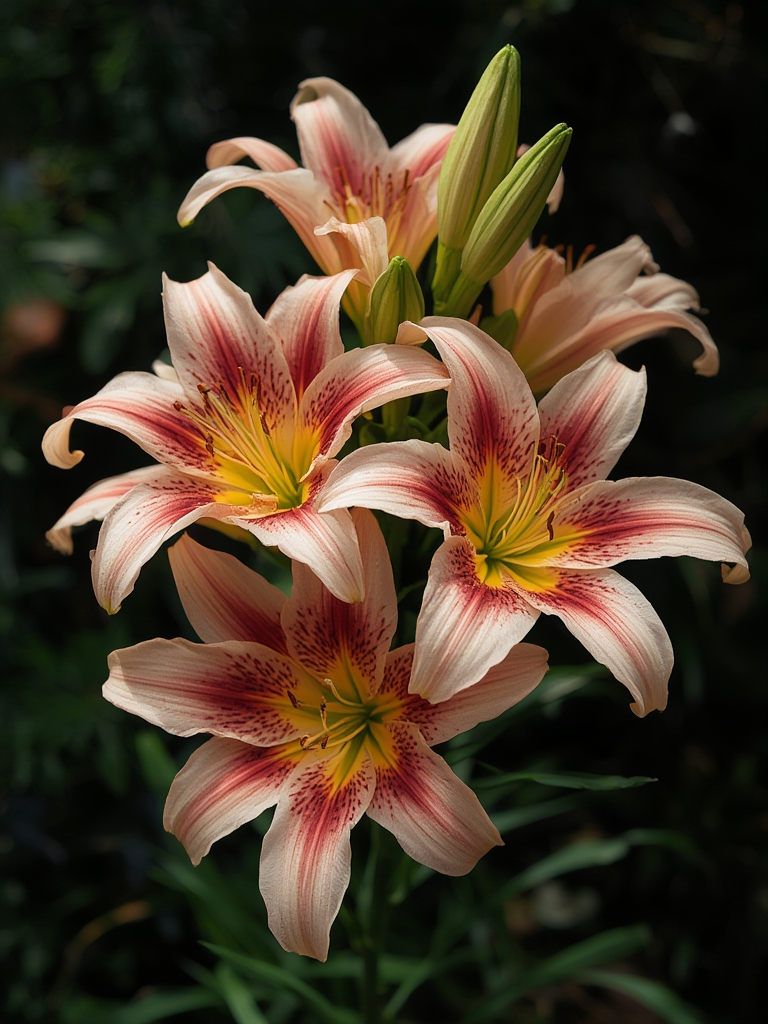
Lilies Flowers Care Guide: How to Grow, Maintain & Make Them Bloom
Lilies Flowers Care Guide: How to Grow, Maintain & Make Them Bloom
Welcome, fellow garden enthusiasts! Are you dreaming of a garden bursting with vibrant, elegant blooms that capture attention and fill the air with a delightful fragrance? Then you’re in the right place! Lilies flowers are truly some of nature’s most spectacular creations, renowned for their striking beauty and variety. From the dramatic trumpet shapes to the delicate Turk’s cap, these perennial beauties can transform any space into a floral paradise.
But don’t be intimidated by their majestic appearance! Growing and maintaining lilies flowers is more accessible than you might think, even for beginner gardeners. With a little know-how and consistent care, you can enjoy a dazzling display year after year. This comprehensive guide will walk you through everything you need to know to cultivate thriving lilies flowers, ensuring they bloom profusely and bring joy to your garden. Let’s dig in!
Plant Requirements & Supplies
To set your lilies flowers up for success, understanding their basic needs is crucial. Gathering the right supplies before you start will make the process smooth and enjoyable.
- Sunlight: Most lilies flowers thrive in full sun, meaning at least 6-8 hours of direct sunlight per day. However, in hotter climates, a spot with afternoon shade can protect their delicate blooms from scorching.
- Soil: Well-draining soil is paramount. Lilies flowers dislike “wet feet,” which can lead to bulb rot. A rich, loamy soil amended with organic matter like compost is ideal. Aim for a slightly acidic to neutral pH (6.0-7.0).
- Water: Consistent moisture is key, especially during their growth and flowering periods. However, avoid waterlogging. The soil should be moist, not soggy.
- Temperature & Humidity: Lilies flowers are generally hardy and adapt well to various temperature ranges once established. They prefer moderate humidity.
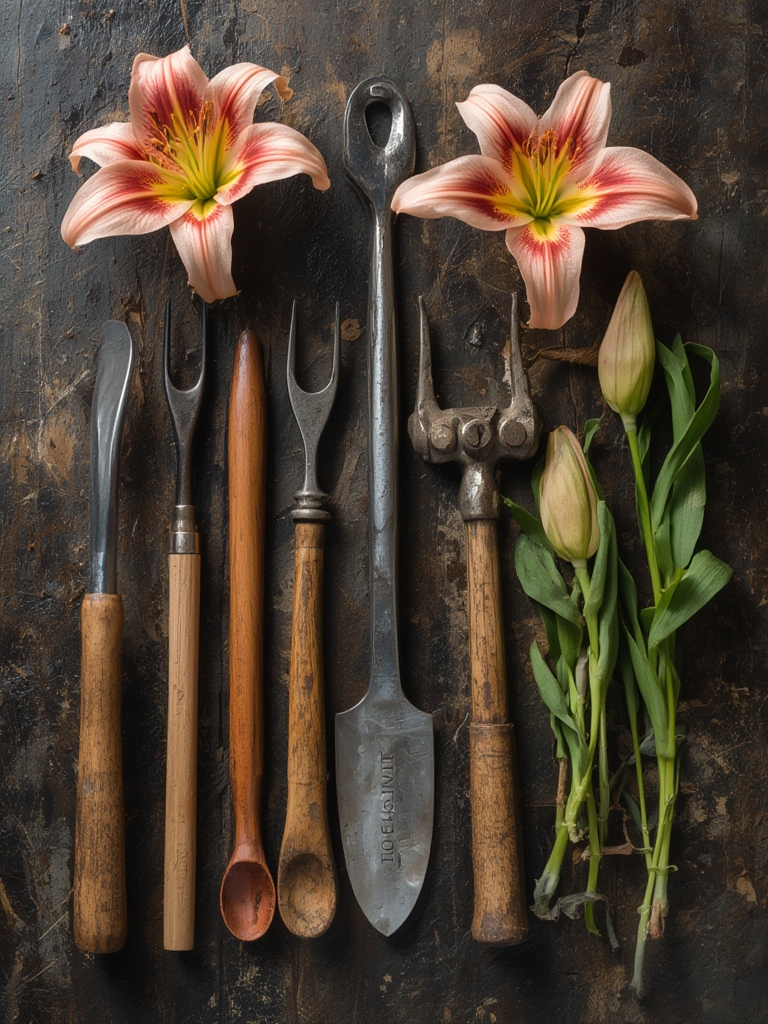
- Essential Supplies:
- Lily Bulbs: Choose firm, healthy bulbs from a reputable supplier.
- Trowel or Shovel: For digging planting holes.
- Organic Compost or Well-rotted Manure: To enrich the soil.
- Gardening Gloves: To protect your hands.
- Watering Can or Hose: For irrigation.
- Balanced Fertilizer: (Optional) Slow-release granular or liquid feed.
- Mulch: Straw, bark chips, or shredded leaves for soil insulation and moisture retention.
- Stakes: For taller varieties to prevent flopping.
Step-by-Step Care Instructions
Once you have your supplies, it’s time to get your hands dirty! Follow these steps for healthy, blooming lilies flowers.
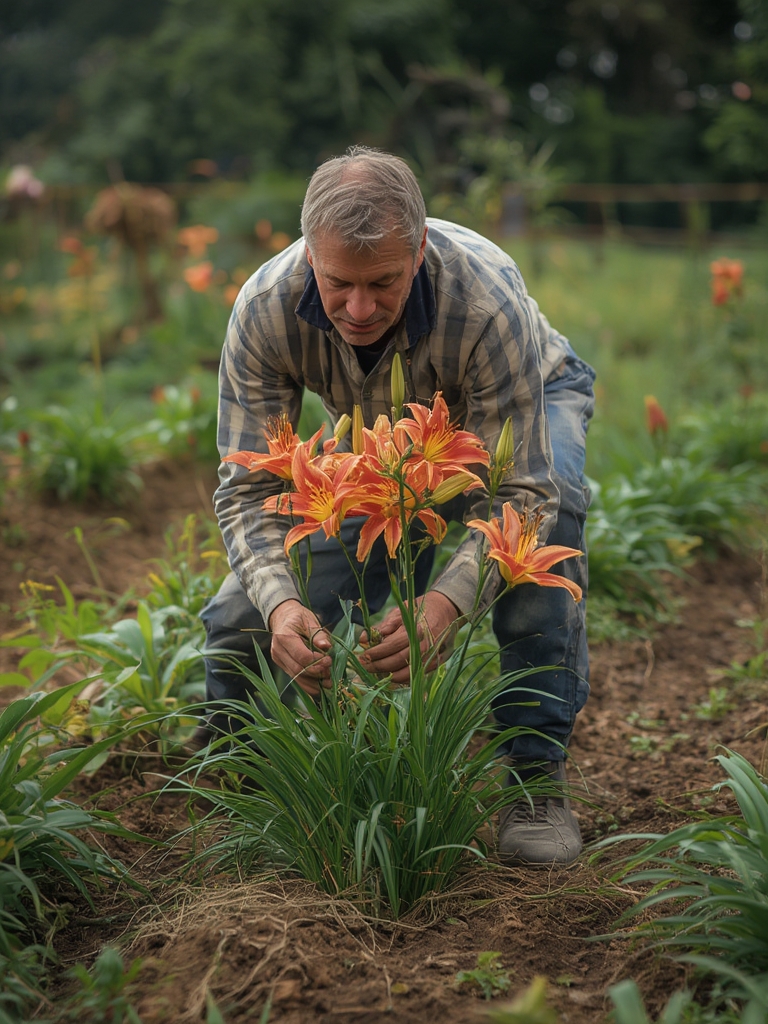
- Planting Your Bulbs:
- Timing: Plant lily bulbs in early spring or fall. Spring planting is generally safer in colder climates.
- Preparation: Dig a hole roughly 6-8 inches deep for most varieties, or three times the height of the bulb. Amend the bottom of the hole with compost.
- Placement: Place the bulb with the pointed end facing upwards. Space bulbs about 8-12 inches apart to allow for growth.
- Covering: Gently backfill with soil, ensuring the bulb is well covered. Lightly tamp the soil and water thoroughly.
- Watering Correctly:
- Water deeply and regularly, especially during dry spells and when plants are actively growing and blooming.
- Allow the top inch or two of soil to dry out slightly between waterings.
- Reduce watering once the foliage starts to yellow in late summer/early fall.
- Fertilizing for Growth:
- Apply a balanced, slow-release granular fertilizer in early spring as new shoots emerge.
- Alternatively, use a liquid feed every 2-4 weeks during the active growing season until flowering begins. Avoid over-fertilizing, which can lead to lush foliage but fewer blooms.
- Providing Support:
- Taller varieties, like some pink lilies or ‘Oriental’ types, may need staking to prevent their heavy blooms from falling over.
- Insert stakes early in the season to avoid damaging the bulbs later on.
- Deadheading:
- Once a bloom fades, snip off the spent flower head just below the bloom. This prevents the plant from expending energy on seed production and encourages more flowers.
- Do not remove the foliage until it naturally yellows and dies back, as this is crucial for the bulb to store energy for the next season. This is a key part of good lily flowers care.
Growing & Care Schedule
Understanding the annual cycle of lilies flowers helps in providing timely care:
- Spring (March-May): New shoots emerge. This is the ideal time to plant bulbs (if not done in fall). Begin regular watering and fertilizing. Watch for pests.
- Summer (June-August): Peak blooming season. Continue consistent watering, especially during dry spells. Deadhead spent flowers. Provide stakes for support if needed.
- Autumn (September-November): Foliage begins to yellow and die back. Reduce watering. Cut back dead stems to about an inch above the ground. Apply a layer of mulch for winter protection in colder zones.
- Winter (December-February): Dormancy period. No active care is required, other than ensuring proper mulching for insulation against harsh frosts.
Benefits of Proper Care
Proper lily flowers care isn’t just about keeping them alive; it’s about helping them flourish! When you give your lilies flowers the attention they deserve, you’ll be rewarded with:
- Abundant, Vibrant Blooms: Healthier plants produce more flowers with richer colors, like stunning blue lilies or classic white varieties.
- Stronger Plants: Proper care builds resilience against pests and diseases, leading to more robust and long-lived plants.
- Extended Bloom Season: Deadheading encourages the plant to produce more flowers over a longer period.
- Increased Enjoyment: A thriving patch of lilies flowers enhances your garden’s aesthetic appeal, provides beautiful cut flowers, and can attract beneficial pollinators.
Alternative Care Methods
Beyond traditional garden beds, there are several ways to enjoy lilies flowers:
- Container Gardening: Many shorter varieties of lilies flowers, and even some taller ones with proper staking, thrive in pots. This allows for easier control over soil conditions and mobility. Ensure containers have excellent drainage.
- Companion Planting: Pairing lilies flowers with compatible plants can enhance their growth and deter pests. Low-growing groundcovers can shade their roots, while herbs like dill or fennel can attract beneficial insects.
- Organic Approaches: Opt for organic fertilizers, compost, and natural pest control methods (like neem oil or hand-picking) to maintain a healthy garden ecosystem. This is a great choice for sustainable lily flowers care.
Common Care Mistakes
Even experienced gardeners make mistakes! Here are some common pitfalls to avoid when caring for your lilies flowers:
- Overwatering: This is perhaps the most common mistake. Soggy soil is a death sentence for lily bulbs, leading to rot. Always check soil moisture before watering.
- Planting Too Shallow or Too Deep: Incorrect planting depth can hinder root development and flowering. Follow the “three times the bulb’s height” rule.
- Removing Foliage Too Soon: Resist the urge to cut back green foliage after flowering. The leaves photosynthesize and store energy in the bulb for next year’s blooms. Wait until they turn yellow and die back naturally.
- Insufficient Sunlight: If your lilies flowers are leggy or not blooming well, they likely aren’t getting enough sun.
- Ignoring Pests: Keep an eye out for lily beetles, aphids, or slugs. Early intervention can prevent major damage.
Maintenance & Pruning Tips
Regular maintenance helps keep your lilies flowers vigorous and beautiful:
- Deadheading: As mentioned earlier, promptly remove spent flowers to encourage more blooms and prevent seed formation.
- Cutting Back: Once the foliage has completely yellowed and died back in late fall, you can cut the stems down to about an inch or two above the ground. This helps prevent diseases from overwintering.
- Dividing Clumps: Over several years, lily clumps can become crowded, leading to reduced flowering. Every 3-5 years, gently dig up the bulbs in fall after the foliage has died back, separate them, and replant them. This invigorates the plants and gives you more bulbs!
Conclusion
Bringing the exquisite beauty of lilies flowers into your garden is a truly rewarding experience. With a solid understanding of their needs and a commitment to consistent care, you’ll be enjoying their stunning blooms, whether they’re delicate pink lilies or dramatic white varieties, for many seasons to come. Remember, gardening is a journey of learning and discovery. Don’t be afraid to experiment and find what works best in your unique garden environment. Happy gardening!
FAQs
Q1: When do lilies flowers bloom?
A1: Most lilies flowers bloom in summer, typically from June through August, depending on the variety and your local climate. Some early varieties can start in late spring, while others, like Oriental lilies, might bloom later in the season.
Q2: Do lilies flowers come back every year?
A2: Yes, most lilies flowers are perennial, meaning they will return year after year. As long as their bulbs are healthy and protected over winter, they will emerge and bloom again each growing season.
Q3: How often should I water my lilies flowers?
A3: Water deeply once or twice a week, especially during dry periods and their active growth phase. The key is to keep the soil consistently moist but never waterlogged. Always check the top inch or two of soil – if it feels dry, it’s time to water.
Q4: Why are my lilies flowers not blooming?
A4: Several factors can cause a lack of blooms, including insufficient sunlight (they need at least 6-8 hours daily), poor soil drainage, over-fertilization (too much nitrogen can promote foliage over flowers), or overcrowding of bulbs. Ensure proper lily flowers care practices.
Q5: Are lilies flowers toxic to pets?
A5: Yes, many varieties of lilies flowers, especially those from the Lilium and Hemerocallis (Daylily) genera, are highly toxic to cats and can cause kidney failure if ingested. They can also be harmful to dogs and other pets. If you have pets, it’s safest to avoid planting lilies or ensure they are in an inaccessible area.