Organic Vegetable Gardening: Guide to Growing Without Synthetic Chemicals
Organic Vegetable Gardening: Guide to Growing Without Synthetic Chemicals
Ever dreamt of plucking ripe, juicy tomatoes or crisp lettuce straight from your own backyard, knowing they’re completely free of harmful chemicals? You’re not alone! Many aspiring gardeners are turning to organic methods, seeking healthier produce and a more sustainable way to nurture their green spaces. If you’re eager to embrace a garden that thrives in harmony with nature, you’ve come to the right place.
This guide is packed with organic vegetable gardening tips designed to help beginners succeed. We’ll walk you through everything from preparing your soil to naturally warding off pests, ensuring you know how to grow vegetables organically without pesticides. Let’s dig in!
Materials & Eco-Friendly Supplies
Starting an organic garden doesn’t require a huge investment in fancy equipment. Focus on quality, durable, and sustainable choices.
- Quality Organic Seeds or Starts: Always opt for certified organic, non-GMO seeds or young plants. This ensures your produce truly starts chemical-free.
- Rich Organic Soil: Healthy soil is the bedrock of an organic garden. Invest in good quality organic potting mix or enrich your existing garden soil with plenty of compost.
- Compost & Manure: These are gold for organic gardeners! They feed your soil with essential nutrients and improve its structure.
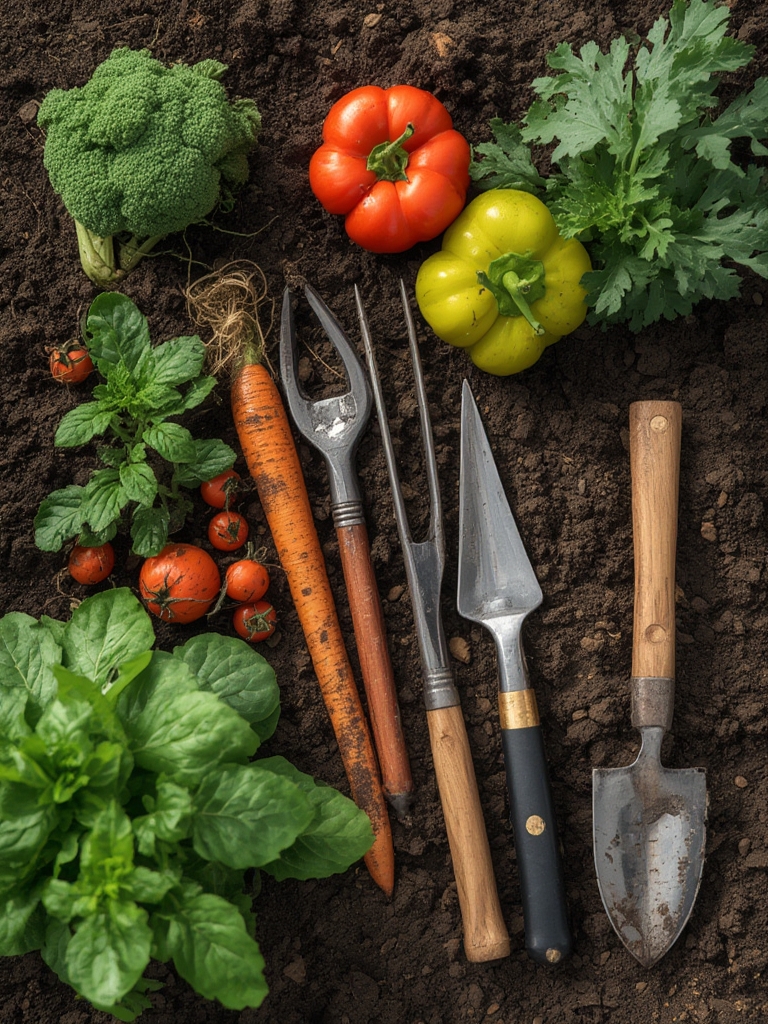
- Basic Gardening Tools: A sturdy trowel, hand fork, watering can, gardening gloves, and a good pair of pruners are essential. Look for tools with sustainable wood handles.
- Natural Pest Deterrents: Neem oil, insecticidal soap, or even homemade garlic spray are great natural alternatives for pest control.
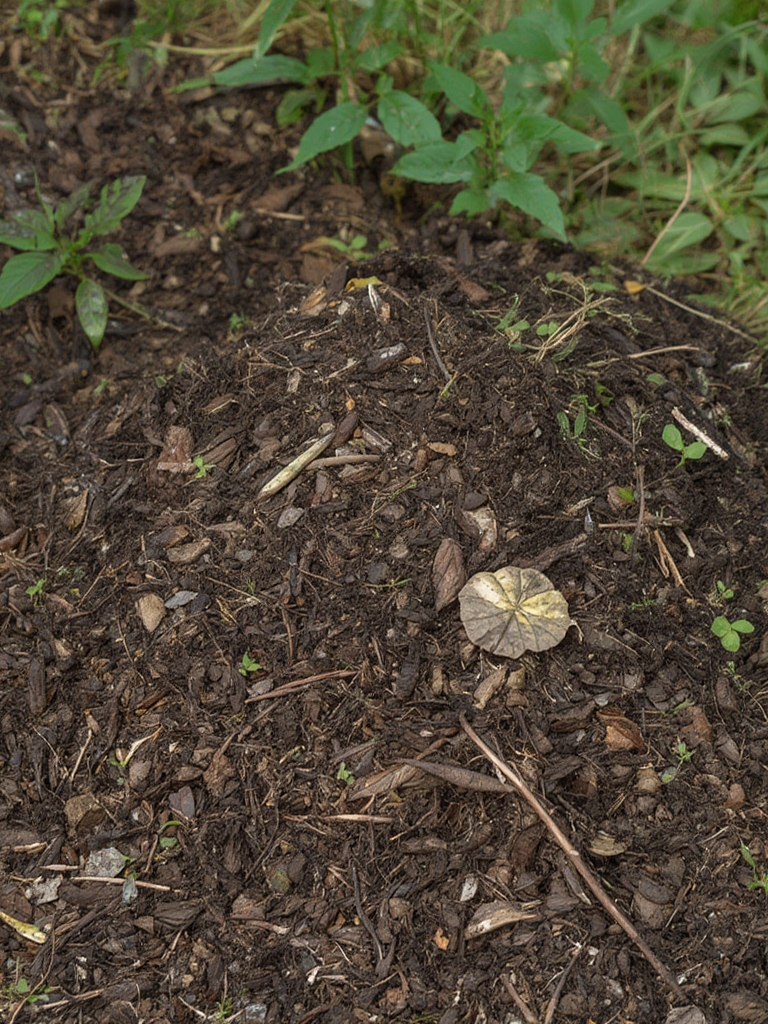
- Mulch: Straw, wood chips, or shredded leaves help retain moisture, suppress weeds, and regulate soil temperature.
Step-by-Step Organic Method
Ready to get your hands dirty? Follow these steps to cultivate your organic edible paradise.
1. Choose Your Site Wisely
Most vegetables need at least 6-8 hours of direct sunlight daily. Observe your garden throughout the day to find the sunniest spot. Ensure good drainage and accessibility for watering.
2. Prepare Your Soil
This is the most crucial step for organic vegetable gardening tips.
- Test Your Soil: A soil test kit can tell you about nutrient levels and pH, guiding your amendments.
- Amend with Organic Matter: Mix in generous amounts of compost, well-rotted manure, or other organic matter. This improves soil structure, fertility, and microbial life. Aim for a soil that is loose, dark, and crumbly.
3. Plan Your Garden Layout
- Companion Planting: This is key for how to grow vegetables organically without pesticides. Plant compatible vegetables together (e.g., tomatoes with basil, carrots with rosemary) to deter pests and enhance growth.
- Crop Rotation: Avoid planting the same crop in the same spot year after year to prevent nutrient depletion and disease build-up.
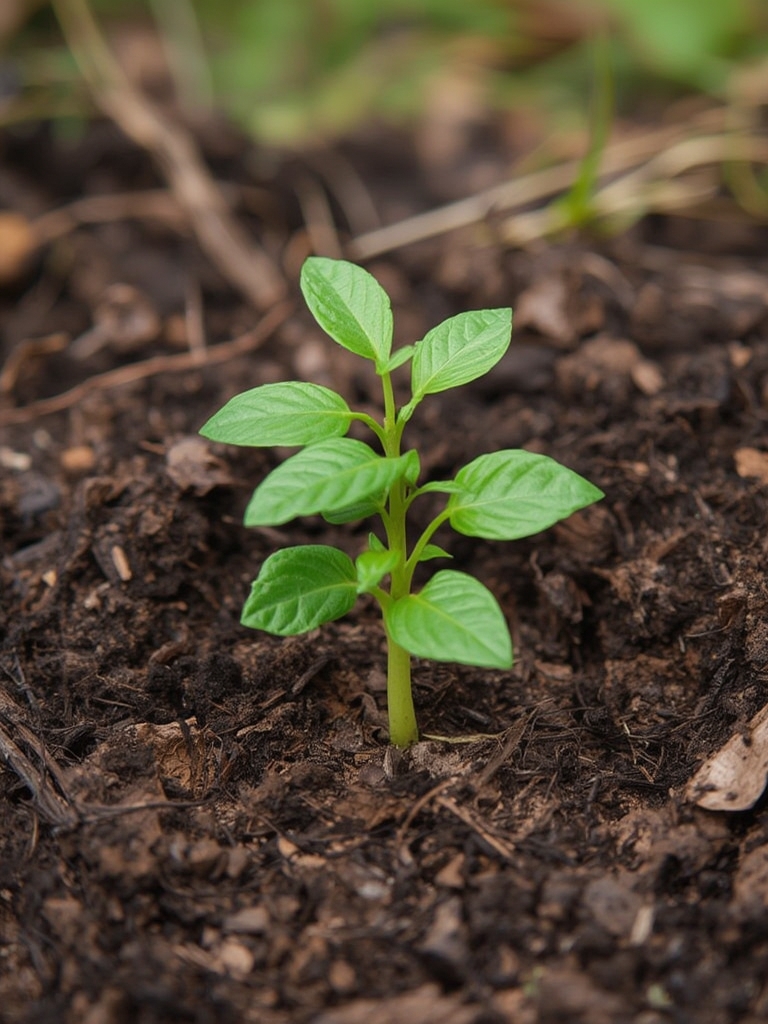
4. Plant Your Organic Seeds or Starts
Follow the specific planting instructions for each vegetable regarding depth and spacing. Water thoroughly after planting. If starting from seed, ensure proper germination conditions.
5. Water Wisely
Water deeply and less frequently to encourage deep root growth. Early morning is often the best time to water, reducing evaporation and fungal issues. Use rain barrels to collect water for an even more sustainable approach.
6. Mulch for Success
Once your plants are established, apply a 2-4 inch layer of organic mulch around them. This conserves moisture, suppresses weeds, and slowly breaks down to enrich the soil.
Benefits of Organic Gardening
Beyond the satisfaction of growing your own food, organic gardening offers a wealth of advantages:
- Healthier Produce: No synthetic pesticides, herbicides, or fertilizers mean your fruits and vegetables are cleaner and potentially more nutritious.
- Environmental Protection: Organic methods protect beneficial insects, wildlife, and vital pollinators. They also prevent chemical runoff from contaminating water sources.
- Improved Soil Health: Nurturing your soil with organic matter builds a living ecosystem, making it more fertile, resilient, and better at retaining water.
- Enhanced Flavor: Many gardeners report that organically grown produce tastes better and has a richer flavor profile.
- Biodiversity: Organic gardens support a wider range of plant and animal life, contributing to a healthier local ecosystem.
Eco Tips & Sustainable Alternatives
Take your organic gardening practices even further with these eco-conscious ideas:
- Composting: Turn kitchen scraps and yard waste into nutrient-rich “black gold” for your garden. It reduces waste and enriches your soil naturally.
- Rainwater Harvesting: Install a rain barrel to collect rainwater. It’s free, better for your plants than chlorinated tap water, and reduces demand on municipal systems.
- Drip Irrigation: This efficient watering system delivers water directly to the plant roots, minimizing waste.
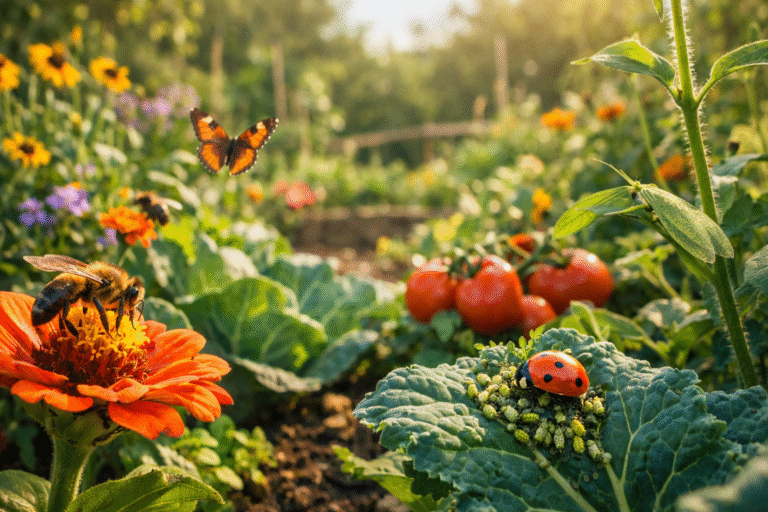
- DIY Pest Control: Instead of store-bought chemicals, experiment with homemade pest deterrents like garlic spray or introducing beneficial insects (e.g., ladybugs).
- Upcycling & Repurposing: Use old tires as raised beds, plastic bottles for mini-greenhouses, or newspaper for weed barriers.
Common Organic Mistakes
Even experienced gardeners make mistakes. Here are a few to avoid:
- Ignoring Soil Health: Thinking you can just “plant and forget.” Organic gardening is all about building healthy, living soil.
- Impatience with Pests: Expecting immediate results from natural pest control. It’s a slower, more holistic process. Learn organic vegetable gardening tips for long-term pest management.
- Overwatering or Underwatering: Both can stress plants and make them more susceptible to disease. Check soil moisture before watering.
- Not Mulching: Skipping mulch leads to more weeding, increased water usage, and poorer soil.
- Neglecting Crop Rotation: This can lead to specific nutrient deficiencies and pest/disease build-up in particular areas.
Maintenance & Long-Term Care
Organic gardening is a continuous journey of learning and nurturing.
- Regular Weeding: Pull weeds by hand or use a hoe before they establish deep roots and compete with your plants for nutrients.
- Feeding Your Soil: Continue to top-dress with compost or organic fertilizers throughout the growing season.
- Pruning & Trellising: Support vining plants and prune as needed to improve air circulation and fruit production.
- Observe Your Garden: Regularly inspect your plants for signs of pests or diseases. Early detection is key for natural treatments. Knowing how to grow vegetables organically without pesticides means constant vigilance.
- Cover Cropping: In off-seasons, plant cover crops like clover or vetch to protect and enrich your soil.
Conclusion
Embarking on your organic vegetable gardening journey is a rewarding experience that benefits you, your family, and the planet. While it might seem like a lot to learn at first, remember that every successful organic garden starts with a single seed and a commitment to working with nature.
Embrace these organic vegetable gardening tips and enjoy the bountiful harvest of fresh, chemical-free produce. What are you waiting for? Start planning your organic garden today and share your journey with us!
FAQs About Organic Vegetable Gardening
Q1: What’s the best way to start a small organic garden for beginners?
A1: Begin small! Choose a sunny spot, focus on improving your soil with compost, and start with easy-to-grow vegetables like lettuce, radishes, bush beans, or cherry tomatoes. Raised beds can be a great option for beginners as they offer better control over soil quality.
Q2: How do I naturally control pests without using chemicals?
A2: Natural pest control involves several strategies:
- Companion Planting: Planting specific herbs or flowers next to vegetables to deter pests.
- Hand-Picking: Physically removing larger pests like tomato hornworms.
- Beneficial Insects: Attracting ladybugs, lacewings, or praying mantises, which prey on garden pests.
- Homemade Sprays: Using solutions like neem oil, insecticidal soap, or garlic/chili sprays for smaller infestations.
- Healthy Soil: Strong, healthy plants are naturally more resistant to pests.
Q3: Is organic gardening more expensive than conventional gardening?
A3: Initially, some organic supplies like certified seeds or specific soil amendments might cost slightly more. However, in the long run, organic gardening can be more economical. By making your own compost, saving seeds, using rain barrels, and reducing reliance on synthetic inputs, you’ll save money and create a self-sustaining system.
Q4: How long does it take to see results in an organic garden?
A4: You’ll see growth within weeks, but building truly healthy, vibrant organic soil takes time – often a few seasons. The biggest “results” are the continuous improvement of your soil, increased biodiversity, and a steady harvest of nutritious, flavorful produce year after year. Patience is an organic gardener’s best friend!
Q5: Can I convert an existing garden to organic practices?
A5: Absolutely! The process is gradual. Start by discontinuing all synthetic pesticides and fertilizers. Focus on enriching your soil with organic matter, compost, and cover crops. You might experience a transition period as your soil’s microbial life adjusts, but with consistent organic practices, your garden will thrive.