September Garden Checklist: Fall Planting & Garden Cleanup
September Garden Checklist: Fall Planting & Garden Cleanup
Welcome, fellow garden enthusiasts! As the vibrant days of summer gently fade, September ushers in a new, exciting chapter for our gardens. It’s a month of transition, offering a refreshing crispness in the air and a golden glow that signals the perfect time for crucial September gardening tasks. Don't let the thought of autumn cleanup overwhelm you; instead, see it as an opportunity to lay the groundwork for a spectacular spring.
Many beginners overlook September, thinking the gardening season is winding down. However, it's a pivotal period for both tidying up and strategic planting that will pay dividends next year. From preparing beds to planting spring-flowering bulbs, these September gardening tasks are not just chores, but investments in your garden's future. Let's dive into making the most of this beautiful month!
Tools & Tasks for This Season
September demands a shift in our gardening toolkit and mindset. While the hot summer days are behind us, there’s still plenty of vigorous growth and important work to be done. Having the right tools on hand will make these September gardening tasks much more enjoyable and efficient.
Here’s what you’ll likely need:
- Gloves: Always protect your hands!
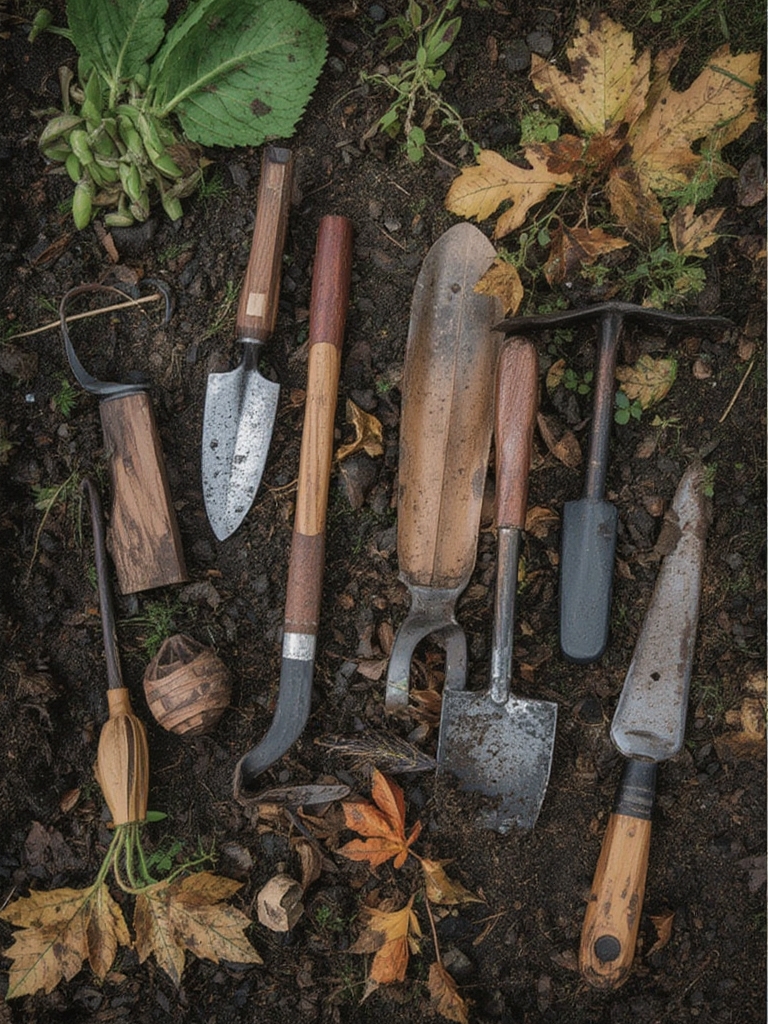
- Pruners/Shears: For deadheading, light pruning, and cutting back spent plants.
- Trowel & Spade: Essential for planting bulbs and perennials.
- Rake: For clearing leaves and debris.
- Wheelbarrow/Garden Cart: To easily transport garden waste or compost.
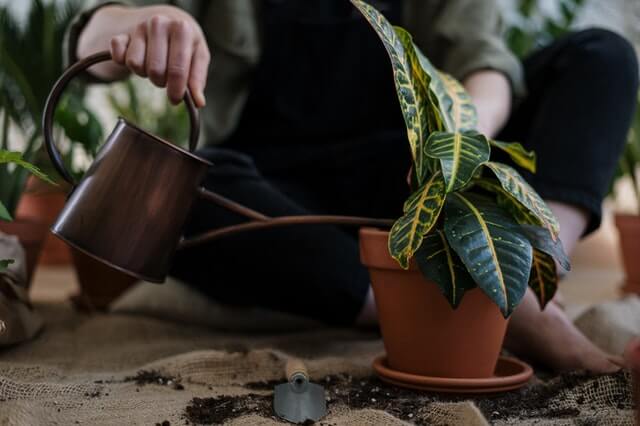
- Watering Can/Hose: Even in cooler weather, new plantings need consistent moisture.
- Compost: To enrich your soil.
The main tasks this month revolve around a healthy mix of cleanup, planting, and preparing for the cooler months ahead. It’s all about setting your garden up for success.
Seasonal Gardening Checklist
Ready to roll up your sleeves? This step-by-step checklist will guide you through the most important September gardening tasks, ensuring your garden thrives now and in the seasons to come.
-
Garden Cleanup & Deadheading:
- Remove Spent Annuals: Pull out annuals that have finished their bloom cycle. Compost healthy plants; discard diseased ones to prevent spread.
- Deadhead Perennials: Continue deadheading faded flowers on perennials to encourage rebloom or tidy their appearance.
- Weed Control: Stay on top of weeding! Cooler weather can still encourage weed growth.
-
Planting for Next Spring:
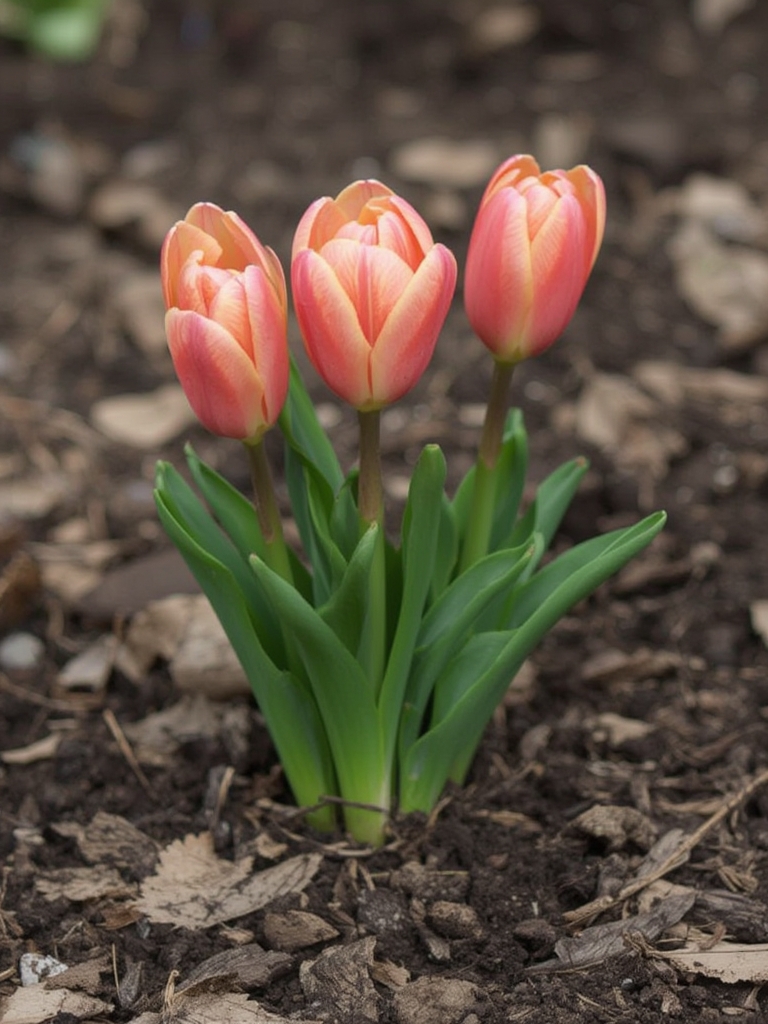
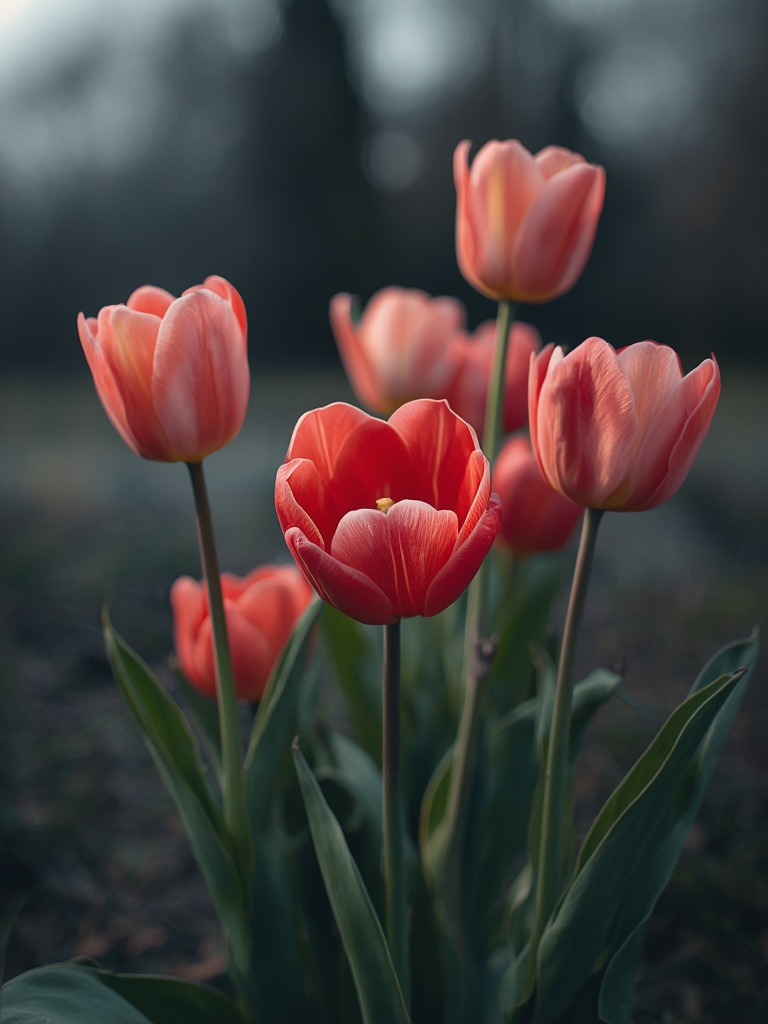
- Plant Spring-Flowering Bulbs: Now is the ideal time to plant tulips, daffodils, crocus, and hyacinths for a dazzling display next spring. Remember to check planting depths!
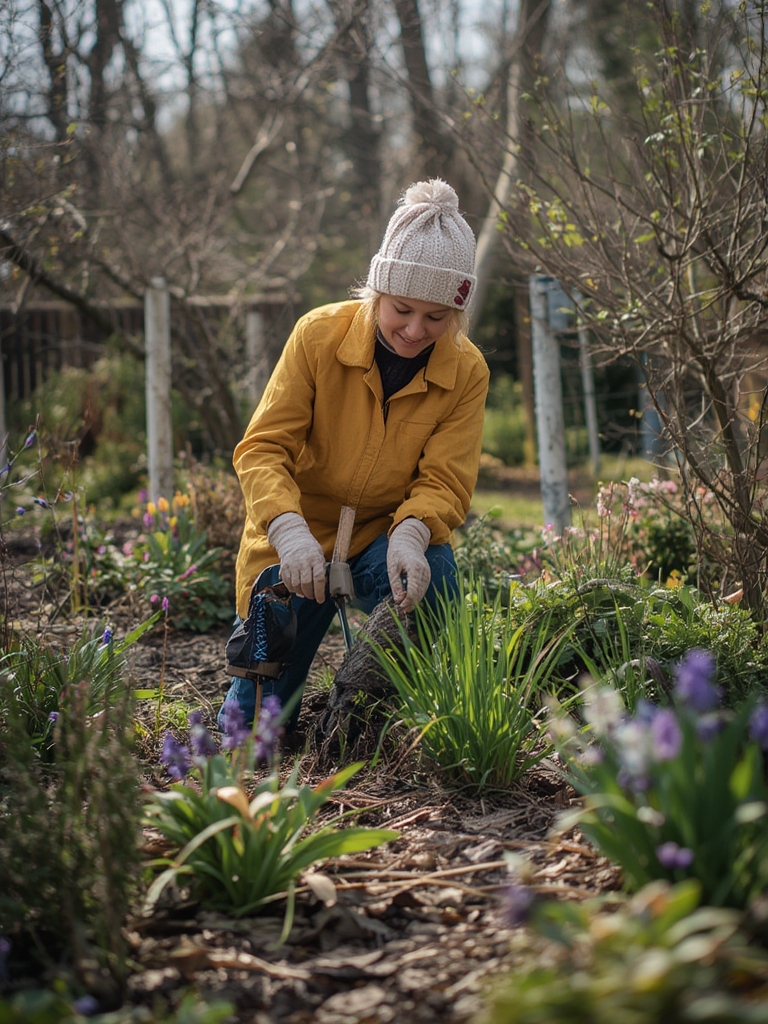
- Divide and Transplant Perennials: Many established perennials (like hostas, daylilies, and irises) benefit from division in early fall. This rejuvenates them and gives you new plants.
- Install New Perennials: September's mild temperatures and moist soil are perfect for planting new trees, shrubs, and perennials, giving them time to establish roots before winter. This is a crucial part of fall gardening tasks cleanup perennial planting.
- Sow Cool-Season Vegetables: Plant leafy greens like lettuce, spinach, kale, and root vegetables such as radishes and carrots for a late-fall harvest.
-
Soil and Bed Preparation:
- Amend Soil: Incorporate compost or other organic matter into empty garden beds to improve soil structure and fertility.
- Mulch: Apply a fresh layer of mulch around existing plants to help retain soil moisture and regulate temperature as the weather cools.
Planting, Pruning & Maintenance Tips
Beyond the checklist, a few expert tips can elevate your September gardening tasks:
- Bulb Brilliance: When planting bulbs, remember the general rule: plant them at a depth of two to three times their height. For instance, a 2-inch tall bulb should be planted 4-6 inches deep. Consider planting in layers (lasagna method) for a continuous bloom.
- Pruning Perennials Wisely: While it's tempting to cut everything back, some perennials (like sedum, ornamental grasses, and coneflowers) offer winter interest and food for birds. It's often better to leave them standing until early spring. For others, light pruning to remove spent flower stalks is fine.
- Consistent Watering: Even as temperatures drop, new plantings, especially trees, shrubs, and bulbs, need consistent moisture to establish their root systems. Water deeply, but less frequently, letting the soil dry out slightly between waterings.
- Pest and Disease Check: September is still a time to inspect plants for any lingering pests or signs of disease. Address issues promptly to prevent them from overwintering and resurfacing next spring.
Season-Specific Mistakes
Even experienced gardeners can make missteps. Here are common mistakes to avoid during your fall gardening tasks cleanup perennial planting:
- Cutting Back Too Early: As mentioned, some plants provide winter interest or protect dormant crowns. Research what's best to cut back now versus spring.
- Overwatering/Underwatering New Plantings: Just because it's cooler doesn't mean new plants don't need water. Conversely, soggy soil can lead to rot. Check soil moisture before watering.
- Ignoring Soil Health: Skipping the addition of compost or organic matter in fall means missed opportunities for soil improvement before winter.
- Planting Too Late: While September is ideal, planting perennials and bulbs too late in the season (e.g., late October in colder zones) might not give them enough time to establish before a hard freeze.
- Forgetting to Mark Bulbs: Once bulbs are planted, it's easy to forget where they are. Use plant markers to avoid digging them up accidentally later!
Preparation for Next Season
Think of your September gardening tasks as setting the stage for next year's grand performance.
- Compost Power: Continue adding kitchen scraps and garden waste (excluding diseased material) to your compost pile. Come spring, you'll have nutrient-rich "black gold" for your garden beds.
- Tool Maintenance: Clean, sharpen, and oil your garden tools before storing them for winter. This prevents rust and keeps them ready for action.
- Plan Ahead: As you tidy up, observe your garden's bare spots. This is a great time to reflect on what worked well this year and what changes you'd like to make next spring. Start dreaming up new plant palettes!
Conclusion
September truly is a sweet spot in the gardening calendar. By dedicating time to these essential September gardening tasks, you're not just maintaining your garden; you're actively shaping its future. From planting vibrant spring bulbs to enriching your soil and thoughtful cleanup, every effort now contributes to a healthier, more beautiful garden next year. So grab your gloves, breathe in the crisp autumn air, and enjoy the rewarding work of preparing your green space for a peaceful slumber and a glorious reawakening. Happy gardening!
FAQs
Q1: What are the most critical September gardening tasks for beginners?
A1: For beginners, focus on essential September gardening tasks like garden cleanup (removing spent annuals, weeding), planting spring-flowering bulbs, and amending your soil with compost. These steps offer big returns for relatively simple effort.
Q2: Can I still plant new flowers or shrubs in September?
A2: Absolutely! September is an excellent time for planting new perennials, trees, and shrubs. The cooler temperatures and often moister soil allow plants to establish their root systems without the stress of summer heat, making it perfect for fall gardening tasks cleanup perennial planting.
Q3: When should I cut back my perennials in the fall?
A3: It depends on the perennial. Some, like peonies and hostas, can be cut back after they've died back naturally. Others, like sedum or ornamental grasses, offer winter interest and can be left until spring. Research your specific plants to make the best decision during your fall gardening tasks cleanup perennial planting.
Q4: Is mulching in September necessary?
A4: Yes, mulching in September is beneficial. It helps retain soil moisture, suppresses weeds, and insulates the soil, protecting roots from temperature fluctuations as winter approaches.
Q5: What's the best way to prepare my vegetable garden for next spring in September?
A5: After harvesting, remove all spent plant material and weeds. Amend the soil generously with compost or well-rotted manure. You can also sow a cover crop like clover or rye to enrich the soil and prevent erosion over winter.